
Finding your way
HOUSING
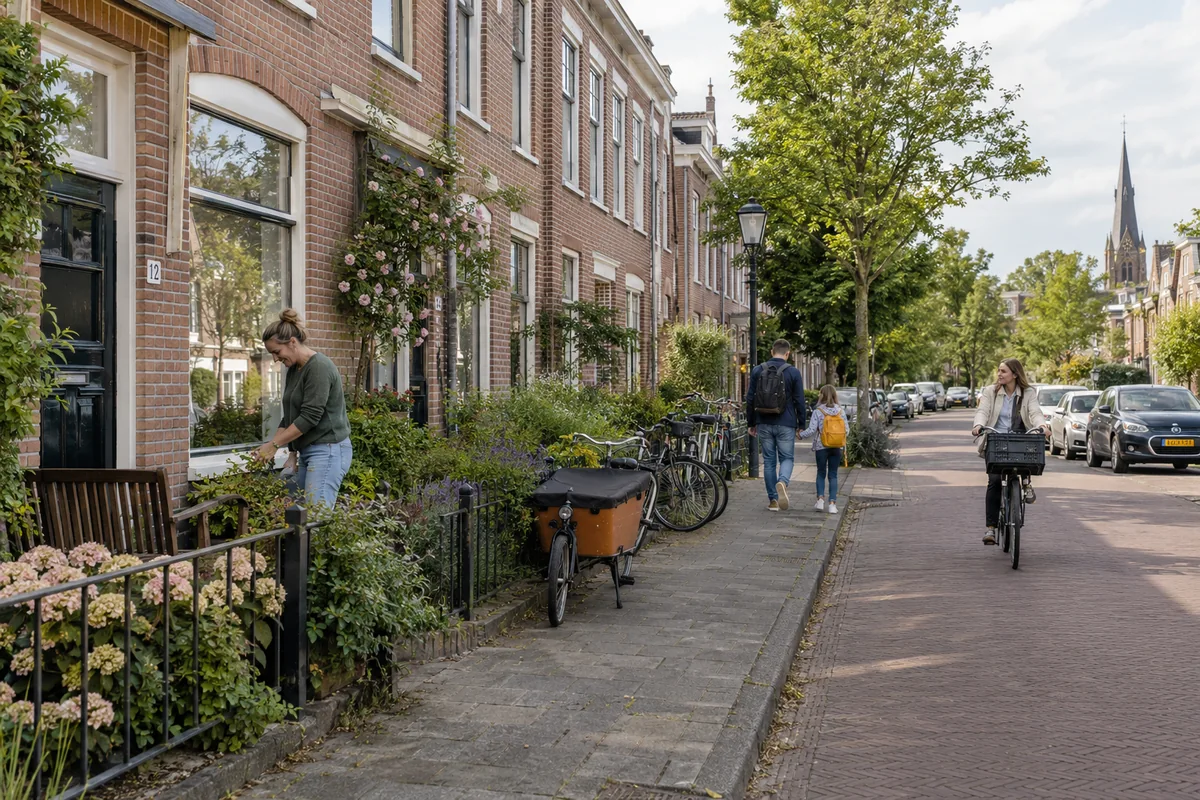
Utrecht: old houses

Finding a home
Housing can be difficult to find. Start early and check reliable housing websites, housing associations and local information. You can rent or buy, depending on your situation and budget.
If you have an asylum residence permit
COA connects permit holders, called statushouders, with a municipality. This does not mean a home is immediately available. Ask your COA contact about your own housing process.
Explain your situation: household size, family reunification, medical or accessibility needs, study, work, education, language, contacts and future plans. Provide relevant documents when asked. You cannot assume you can choose any municipality.
Types of homes and renting
A home that suits your needs
There is a shortage of homes in many areas. Availability, cost and waiting times differ. Consider household size, accessibility, travel to work or school and the total monthly cost.
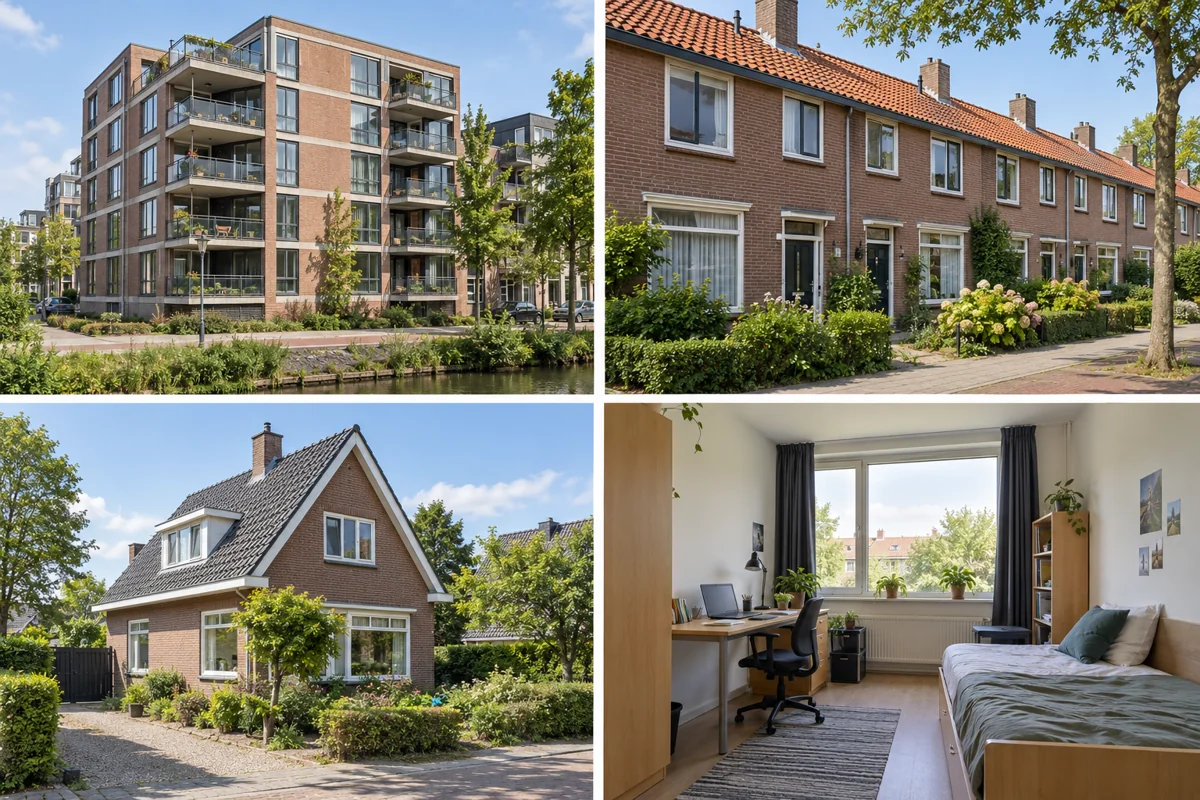
Types of housing
Types of homes
- An apartment is part of a larger building, often called a flat.
- A terraced house, rijtjeshuis, shares walls with neighbouring houses.
- A detached house, vrijstaand huis, stands separately.
- Students may rent a room or student apartment.
- People who need substantial care may live in a care home. Many older people live independently, sometimes with support. Arrangements depend on their needs.

thinking of a house…
Renting or buying
You can search through a housing association, a private landlord or an estate agent. A housing association, woningcorporatie, owns and manages rental homes. It is not the same as a residents' housing cooperative.
Social housing has eligibility requirements, including income and sometimes household size. Register with the housing association or regional housing platform and respond to suitable homes. Waiting times can be long.
A housing cooperative is a separate model in which residents organise housing together. Ask the municipality about local possibilities.
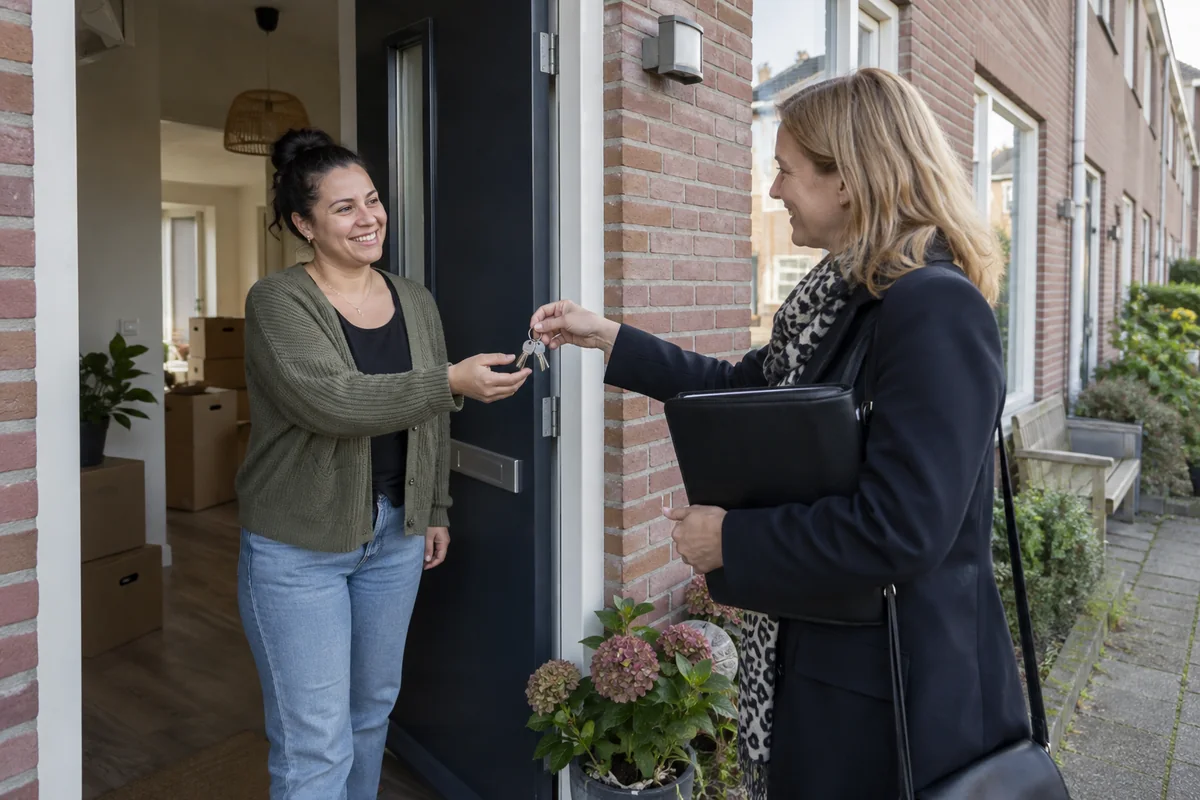
For rent
Before you rent
Private rentals, student housing and temporary accommodation have different conditions. Check whether a temporary contract is legally permitted for your situation; do not assume all landlords may use one.
- Read the written rental agreement before signing. Ask for help if you do not understand it.
- Check basic rent, service charges, deposit and which utilities are included.
- Check the landlord's identity and view the home before paying.
- Keep the contract, payment records and photographs of the home's condition.
- Ask the municipality whether you need a housing permit.
There is no guarantee that a private rental will be available quickly. Ask the municipality about urgent housing rules if your situation is serious.
Tenant rights and responsibilities
You must pay rent and look after the home. The landlord must meet legal obligations and may not simply enter without permission, except in an emergency. Ask the municipal landlord reporting point, Huurcommissie or Juridisch Loket for help with a dispute. Which procedure applies depends on your situation.
Buying a home

Each mortgage is related to a percentage
A mortgage
A mortgage, hypotheek, is a loan secured on a home. You pay interest and usually repay the loan over time. Payments and other housing costs must fit your budget.
- Work out income, regular expenses, savings and debts.
- Discuss borrowing limits and risks with a qualified mortgage adviser. Compare costs and terms, including interest-rate periods.
- Prepare identification, proof of income, bank statements and information about existing loans.
- View suitable homes and consider an inspection. Understand financing conditions before making a binding commitment.
- The lender assesses your application. Buying a home also involves a notary and additional costs.
A loan is not guaranteed just because you have found a house.

A housing association is another route
If renting suits you better, contact a woningcorporatie or regional rental platform. Registration, income rules, household requirements and waiting times differ. Registration is not a promise of immediate housing. Ask about any required municipal housing permit.

Website of Funda
An estate agent
An estate agent, makelaar, can help with finding homes, viewings and negotiation. Explain your needs and budget. Agree on fees and services in advance.
Check the property carefully and read the purchase agreement, including conditions and deadlines. Ask an adviser or notary if you do not understand the financial or legal consequences.
Energy and water
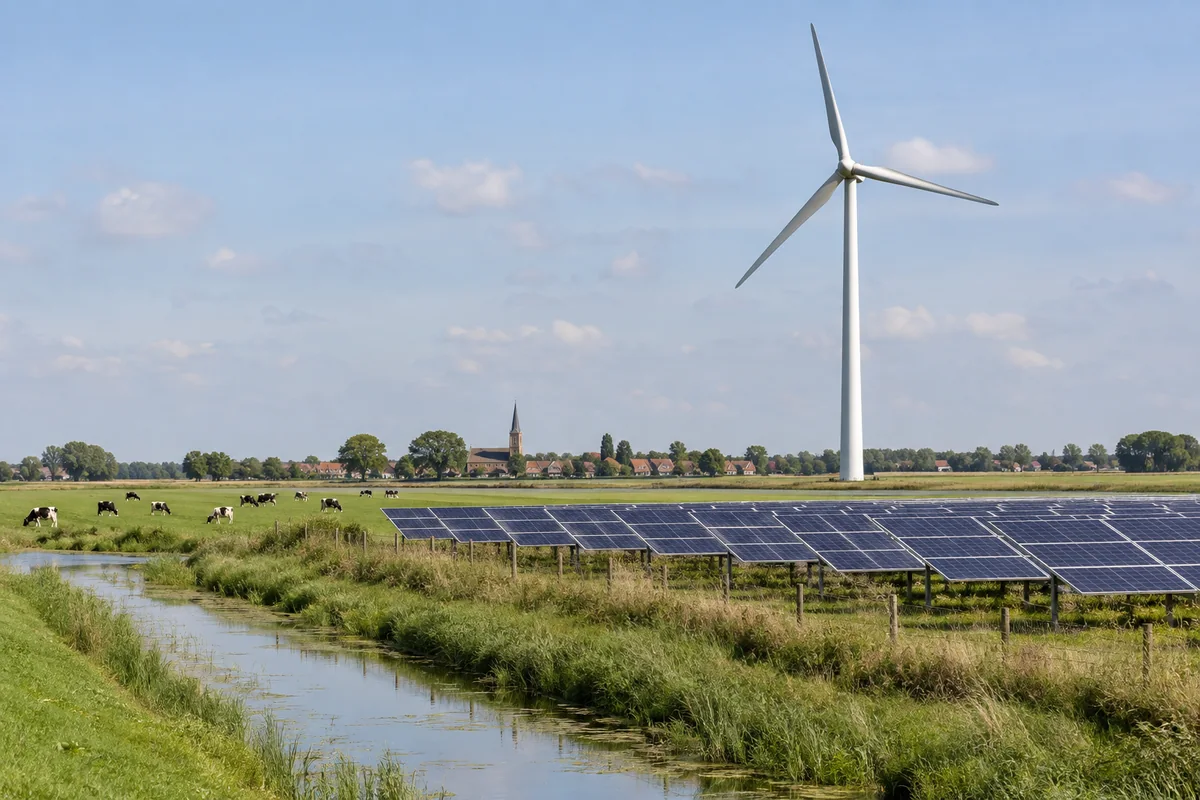
Windmills everywhere
Energy and water contracts
- Check what is included in your rent. Some homes use shared heating or district heating.
- If you need your own energy contract, compare rates, fixed costs, duration and cancellation terms.
- Give the supplier your address and moving date. Ask for help understanding the agreement.
- Record meter readings when you move in or out; smart meters may send readings automatically.
- Check the monthly advance payment and annual statement. You may receive money back or need to pay extra.
- Arrange drinking water with the water company for your area if it is not included.
Keep confirmations and contact the supplier promptly if you cannot pay or think a bill is wrong.
Saving energy safely
- Use LED lights and switch off unnecessary lights.
- Compare appliance energy labels when replacing equipment.
- Reduce standby consumption where practical.
- Heat occupied rooms sensibly and take shorter showers.
- Keep ventilating: do not block ventilation openings to save heat.
- Ask the landlord before making insulation or other major changes.
- Follow safe hot-water settings. Do not lower stored hot water below 60°C because of the risk of Legionella. Ask a qualified installer when unsure.
Heating water for radiators and drinking water are different systems: do not confuse their settings.
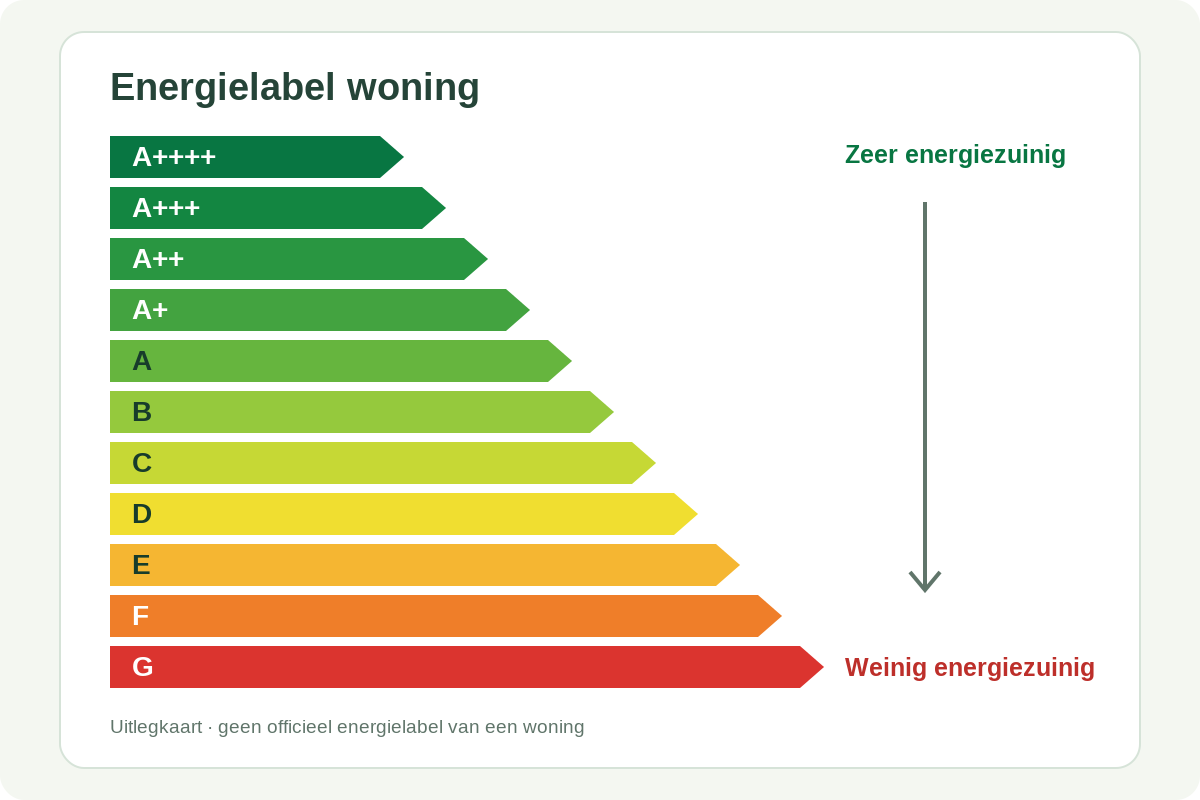
Understanding energy labels
Many household appliances, such as refrigerators, washing machines and televisions, have an energy label. It helps you compare how energy-efficient similar appliances are. Not every appliance has a label.
Homes also have an energy label. The picture above shows the scale for a home: Energielabel woning means “home energy label”. The scale runs from A++++ (dark green, most efficient) to G (red, least efficient).
- Zeer energiezuinig means “very energy-efficient”: it needs relatively little energy compared with similar homes.
- Weinig energiezuinig means “not very energy-efficient”: it needs relatively more energy compared with similar homes.
The label scale for appliances can be different. For example, new refrigerators, washing machines and televisions use A to G, with A as the most efficient class. When choosing an appliance, compare similar sizes and also check the electricity use in kWh. An efficient choice can help lower your energy bills.
Your home and neighbourhood
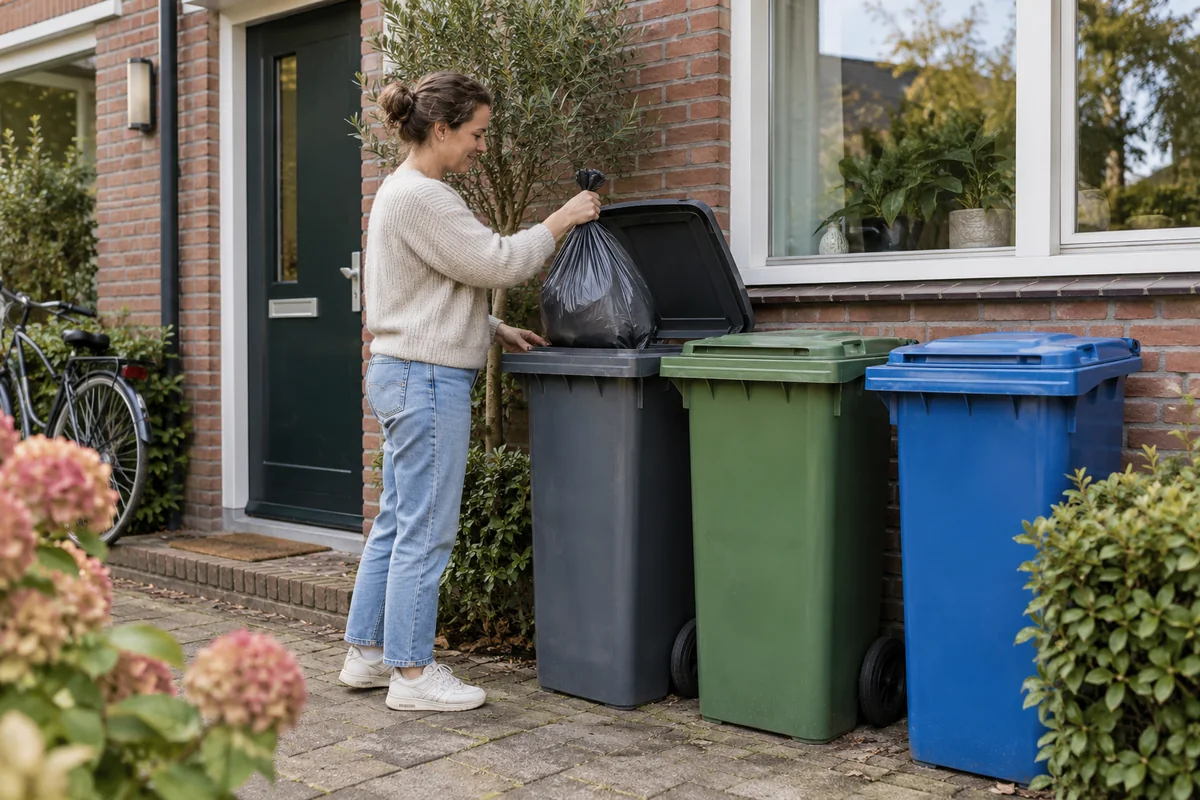
Waste containers: colours and collection rules differ between municipalities.
Waste and your neighbourhood
Check your municipality's waste calendar or app. Separate waste according to local rules: for example food and garden waste, paper, glass and residual waste. Rules for plastic packaging and container colours vary.
Take bulky waste and hazardous household waste to the designated collection point or arrange collection. Do not leave rubbish on the street.
Smoking and shared spaces
Smoking is prohibited in many workplaces and indoor public places such as restaurants and cafés. Follow posted rules and respect neighbours. Cannabis is not simply legal everywhere: possession and sale are subject to criminal law and tolerance rules, and local restrictions may apply.

Checklist
Practical checklist
- Rent: pay on time and contact the landlord early if you have payment difficulties.
- Rent benefit: huurtoeslag depends on your household, income, assets and other conditions. Check with Dienst Toeslagen; high rent alone does not establish eligibility.
- Repairs: tenants handle some small repairs; landlords handle major maintenance. Report defects in writing and keep records. A broken tap does not automatically mean the landlord must replace it.
- Local taxes: check municipal and water-board bills. People with limited means may qualify for remission; apply to the authority named on the bill.
- Power failure: check safely whether it affects only your home or the neighbourhood. Contact the responsible provider or landlord. Do not attempt unsafe electrical work.
- Subscriptions: choose your own telephone, television or internet provider and compare recurring costs and cancellation terms.
- Damage to someone else's property: tell the person and check whether your liability insurance covers the damage.
Moving and living together
Report a move within the Netherlands to your new municipality from four weeks before until five days after moving. First registration after arrival from abroad follows a different procedure: ask the municipality.
Update relevant organisations and arrange utilities. Respect neighbours: keep noise reasonable, maintain shared spaces and discuss problems calmly. If discussion does not help, ask the landlord or neighbourhood mediation service for support.
Insurance

Talkin about insurance
Understanding insurance
You pay a premium, premie, for insurance. A policy describes what is covered, exclusions and any excess you must pay yourself. Insurance does not cover every loss.
- Personal liability insurance: may cover accidental damage you cause to someone else or their belongings. It is generally optional.
- Contents insurance: covers specified risks to possessions inside your home, such as certain fire, water or theft damage.
- Buildings insurance: covers specified damage to the building. Owners arrange this, sometimes through an apartment owners' association. A mortgage lender generally requires it. Tenants normally do not insure the landlord's building themselves.
- Health insurance: Dutch basic health insurance is generally compulsory if you live or work in the Netherlands, with exceptions. Check your own situation. Additional insurance is optional.
Compare coverage, not just price. Report damage promptly and keep evidence. The healthcare chapter explains health insurance further.
Practice test
You have reached the end of this chapter. Next: Health and healthcare.
Choose another category