
Households, relationships and rights
LIVING TOGETHER
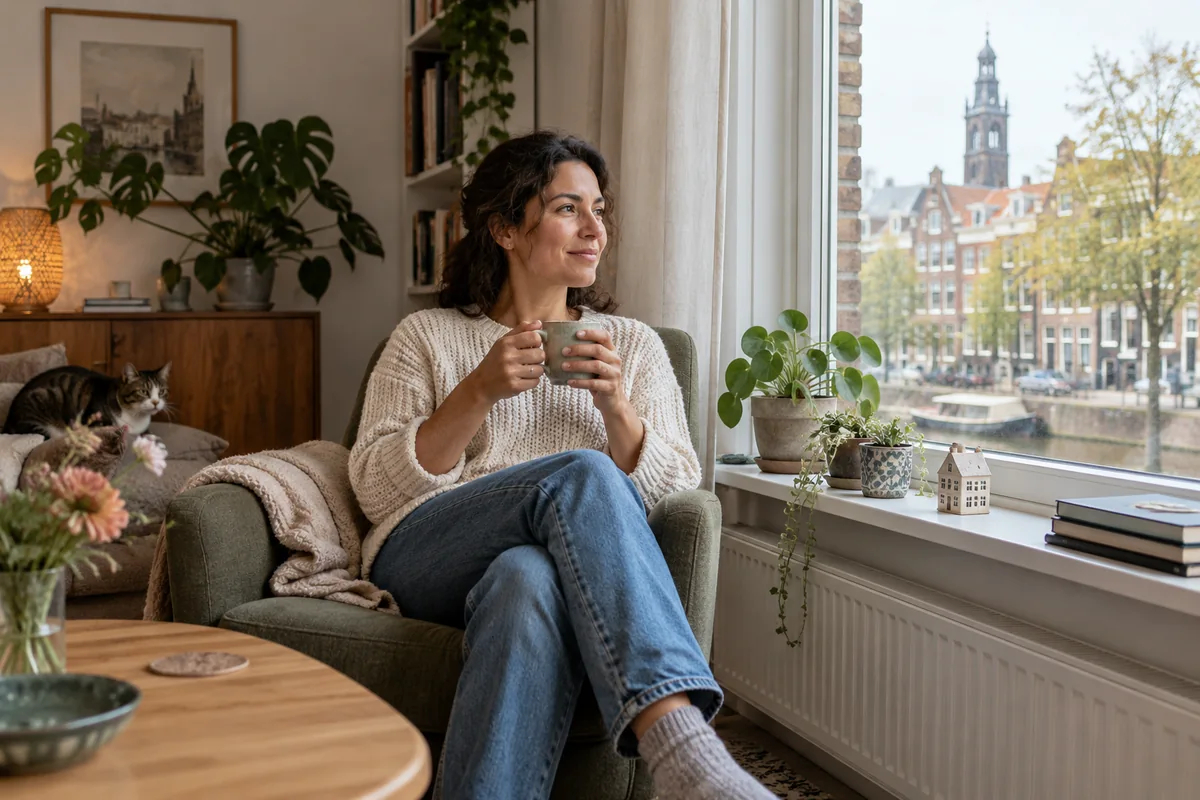
Many people live alone
Different households
Some people live alone because they prefer it; others do so after separation, bereavement or other changes. People can have a relationship while living in separate homes. Living alone does not mean someone wants no contact or support.
Households and customs differ between individuals, regions and generations. Ask respectfully instead of assuming how someone lives.
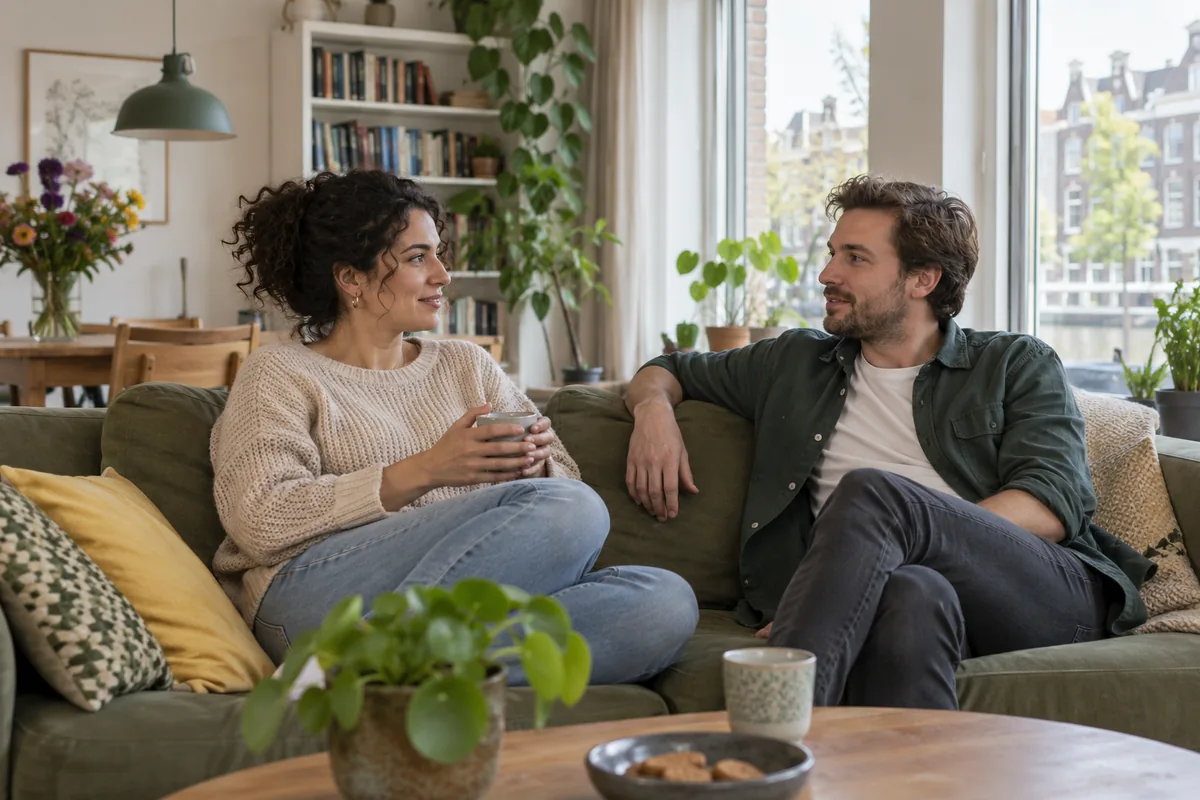
Families and relationships
Families can include two parents, one parent, step-parents, children or no children. Partners may be of different genders or the same gender. People can marry, form a registered partnership or live together without either.
Adults choose whether and with whom to have a relationship. Nobody may force someone to marry. People also have the right to leave a relationship. Responsibilities for children continue after separation.
Talk about relationships and sexuality respectfully. There is no age at which someone is expected to have sex. Consent must be voluntary, and boundaries must be respected. Schools provide age-appropriate education about sexuality and sexual diversity; parents can also discuss questions at home.
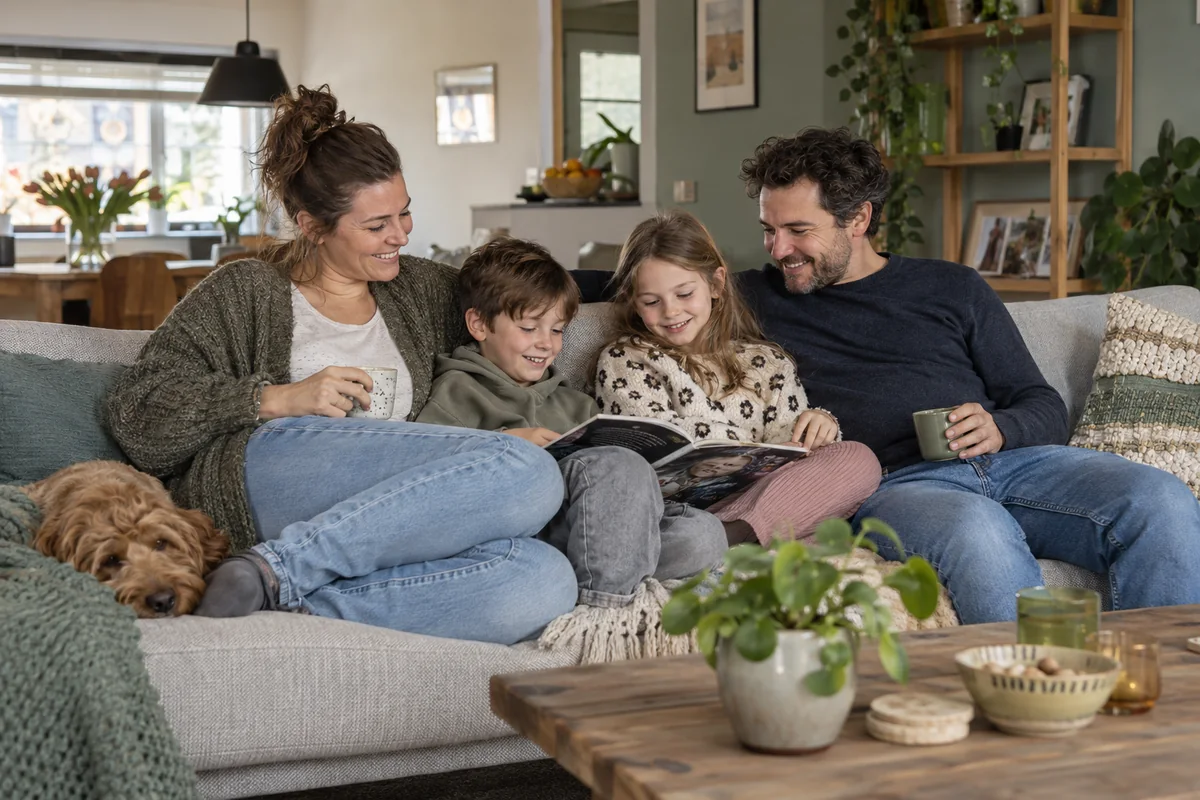
Family
Civil status
Burgerlijke staat means civil status. Ongehuwd means unmarried, gehuwd/getrouwd married, geregistreerd partnerschap registered partnership, gescheiden divorced and weduwe/weduwnaar widow/widower. Alleenstaand describes being single and is not always the same as never having married.
Marriage and registered partnership have legal consequences. Unmarried cohabitation is not automatically the same; a cohabitation agreement can arrange certain matters. Ask the municipality or a legal adviser about your situation.
Provide accurate information on official forms and keep the municipality informed about relevant changes. Household and relationship changes can affect tax or benefits. Do not assume civil status is printed on every identity document.
1. Burgerlijke Status
- Naam: Karel Appel
- Geslacht: man
- Geboren op: 12 februari 1988
- Geboorteplaats: Amsterdam
- Gehuwd/Ongehuwd/Partnerschap/Alleenstaand: gehuwd
- Woonplaats: Eindhoven
- Adres: Heuvelplein 8
- Postcode: 5643 JG
Reading a form
The image shows an example form, not a real application. It asks for name, sex, date and place of birth, relationship status, town, address and postcode. Read each field carefully and ask for help if you do not understand. Share personal details only when needed for a legitimate purpose.
Equal rights and personal freedom
Women and men have equal rights to study, work and make decisions about their own lives and bodies. Sexual orientation, gender, religion or background does not justify discrimination. A person may choose a religion, change it or have none. Civil law applies to everyone.
Share care, paid work and household tasks by agreement. Respect a person’s privacy and ask before sharing photographs or personal information. Joining a club, volunteering or meeting neighbours can help you build contacts.
Safety and help
Domestic violence, sexual violence, honour-related violence and female genital mutilation are prohibited. Physical or psychological abuse of children is not acceptable. For advice about unsafe situations at home, contact Veilig Thuis on 0800-2000; call 112 for immediate danger. A GP, social worker or police officer can also help you find support.
Words and expressions
Learn words and expressions
Relaties · 1
- ik ben getrouwd
- ik ben gescheiden
- ik ben weduwe
- ik ben weduwnaar
- ik woon alleen
- ik heb een relatie met Karel
- maar we wonen niet bij elkaar
1. I am married
2. I am divorced
3. I am a widow
4. I am a widower
5. I live alone
6. I have a relationship with Karel
7. but we don’t live together
Relaties · 2
- bent u getrouwd?
- ja ik ben getrouwd
- woon je alleen?
- ja, ik woon alleen
- ik ben weduwe
- ik woon samen met Anna
1. are you married?
2. yes, I am married
3. do you live alone?
4. yes, I live alone
5. I am a widow
6. I live with Anna
Practice test
Sources and current information
Updated October 2026. Check current conditions with the relevant organisation.
You have reached the end of this chapter. Next: Democracy and rights.
Choose another category