
Government and parliament
POLITICS
A first introduction
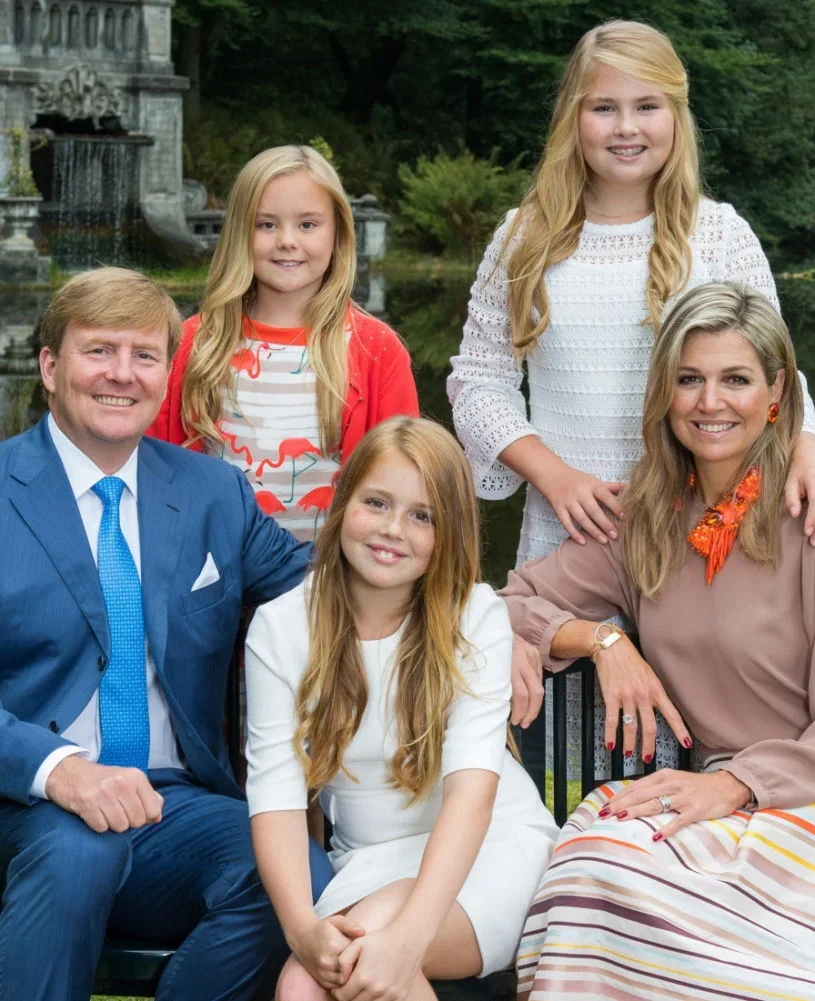
The Royal Family
The photograph shows King Willem-Alexander, Queen Máxima and their daughters. A historical photograph does not show where they live now.
Democracy in practice
Eligible voters choose representatives. Political parties can negotiate to form a coalition after elections; it is not automatically only the largest parties that govern. Parliament scrutinises ministers and debates laws.
The prime minister chairs the council of ministers. Local voters elect the municipal council; they do not directly elect the mayor. The written lessons explain these distinctions alongside the original introduction video.
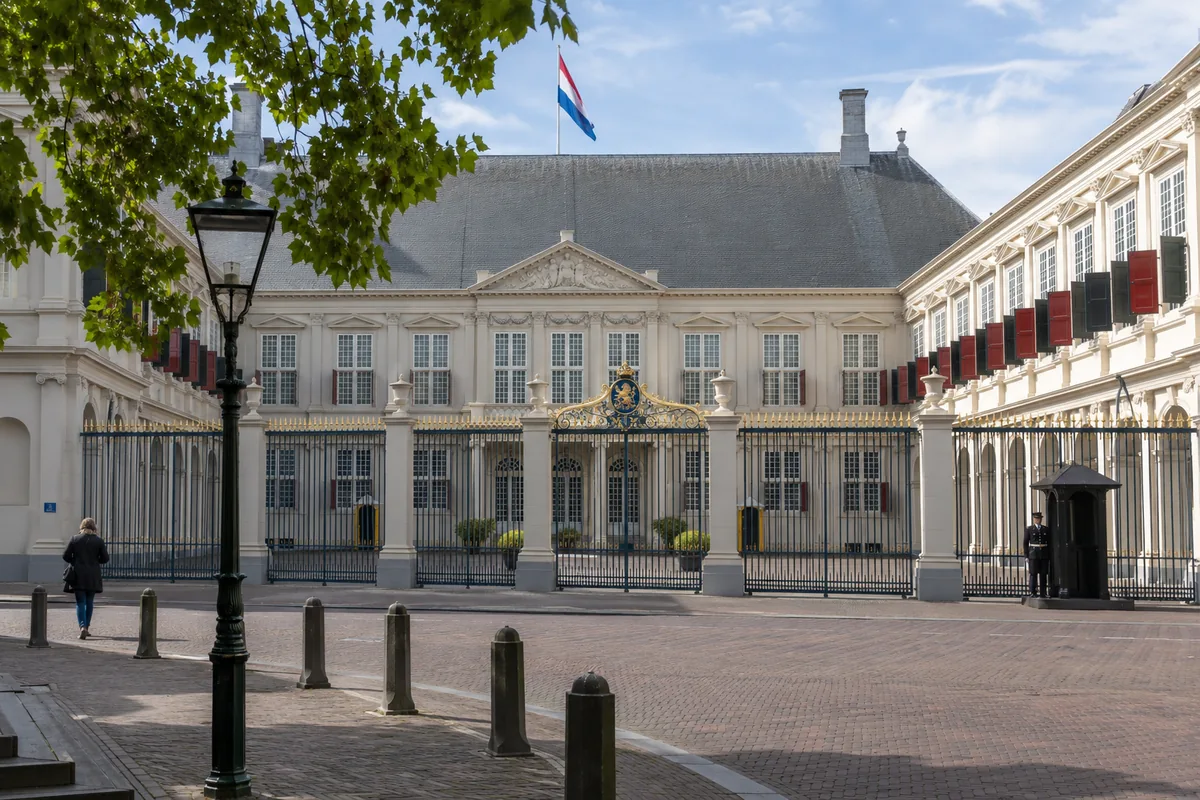
Palace in The Hague
Government and cabinet
The Netherlands is a constitutional monarchy and a democratic state governed by law. The Kingdom consists of the Netherlands, Aruba, Curaçao and Sint Maarten.
The King and ministers together form the government. The cabinet consists of ministers and state secretaries. Ministers are politically responsible; the King mainly has constitutional, representative and ceremonial duties. On Prinsjesdag, the King reads the government’s speech.
The prime minister leads the ministers. At the time of this update, October 2026, the prime minister is Rob Jetten. Check the official government page for changes.
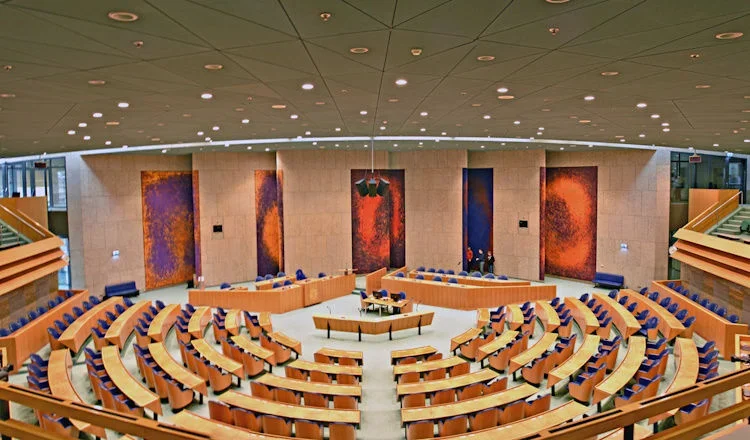
“Tweede Kamer”
Parliament and lawmaking
Parliament has two chambers: the Tweede Kamer has 150 members and the Eerste Kamer has 75. Eligible voters directly elect the Tweede Kamer, normally every four years, though an earlier election is possible.
The Eerste Kamer is elected indirectly by provincial representatives and electoral colleges. Citizens do not vote directly for its 75 members at the general election.
The government and parliament make laws. Bills can be proposed by the government or Tweede Kamer members. The Tweede Kamer can amend bills; the Eerste Kamer approves or rejects them. Laws require the formal signing and publication procedure before taking effect. Both chambers scrutinise government.
The rule of law
Legislative power makes laws, executive power carries them out and independent judges decide disputes and criminal cases. This division and public scrutiny limit misuse of power. The government must also obey the law.
Respect court decisions. If you disagree, legal procedures such as appeal may be available; ask for advice and meet deadlines. Peaceful criticism, demonstrations and participation are ways to influence public life within the law.
Provinces, municipalities and Europe
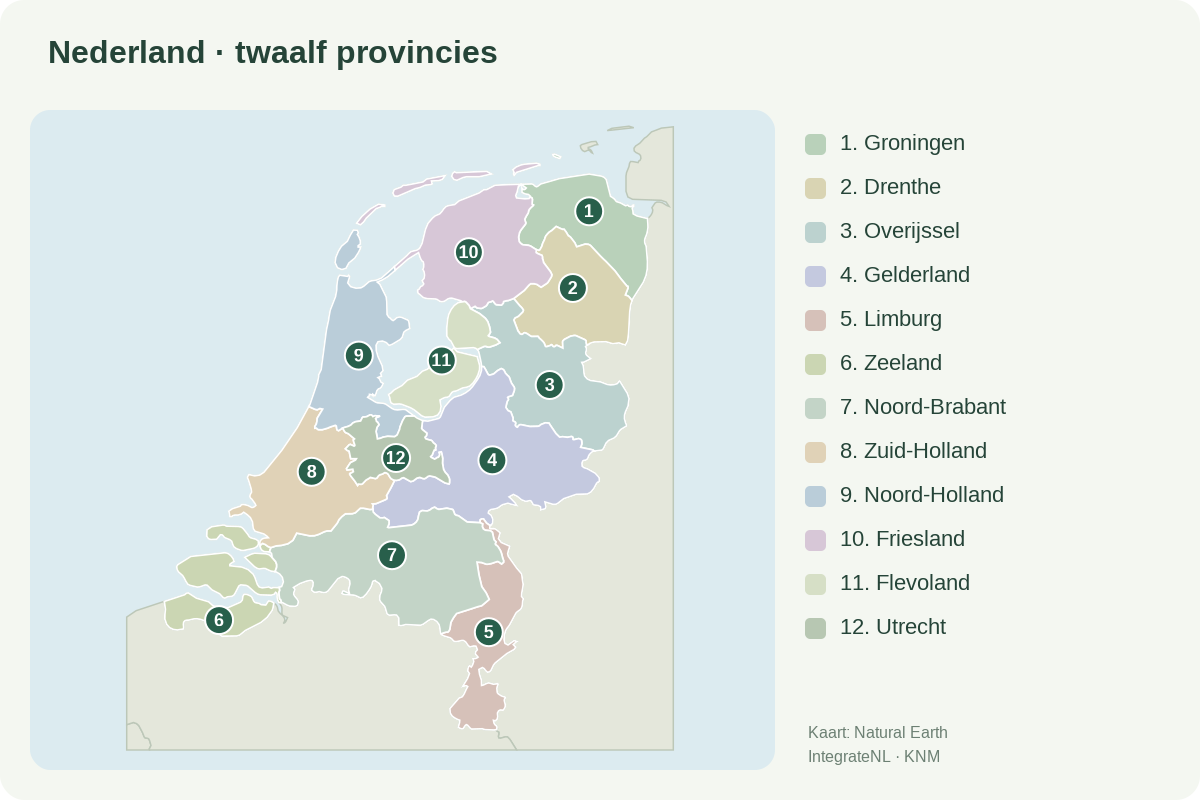
The 12 provinces
National, provincial and local government
There are three general levels of government: national government, 12 provinces and municipalities. Each has its own tasks. Provinces deal with matters such as regional space, nature and provincial roads. Voters elect Provinciale Staten; the provincial executive includes the King’s Commissioner.
Voters elect the gemeenteraad. The council sets local policy and checks the executive of mayor and aldermen (college van burgemeester en wethouders). The mayor chairs the council and executive but is not directly elected by residents.
Water authorities have their own role in water management. The Netherlands also participates in the European Union, which makes common rules with its members. The European Parliament is elected every five years.
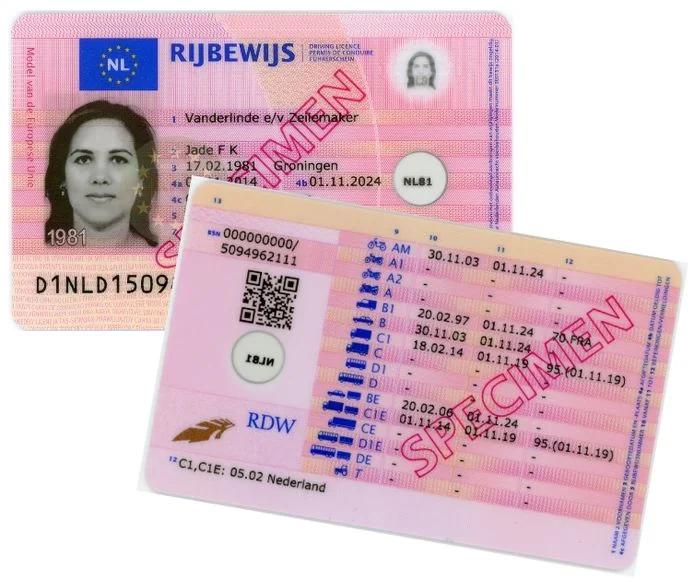
Drivers licence
Your local government
Municipal services include civil registration, eligible identity documents, local permits, waste and sewerage arrangements and local taxes. Ask about building or event permission before proceeding. Starting a business may require permits as well as registration with KVK.
You can raise issues, attend public council meetings, contact representatives or follow consultation procedures. A complaint about treatment is different from an objection to an official decision; follow the relevant deadline.
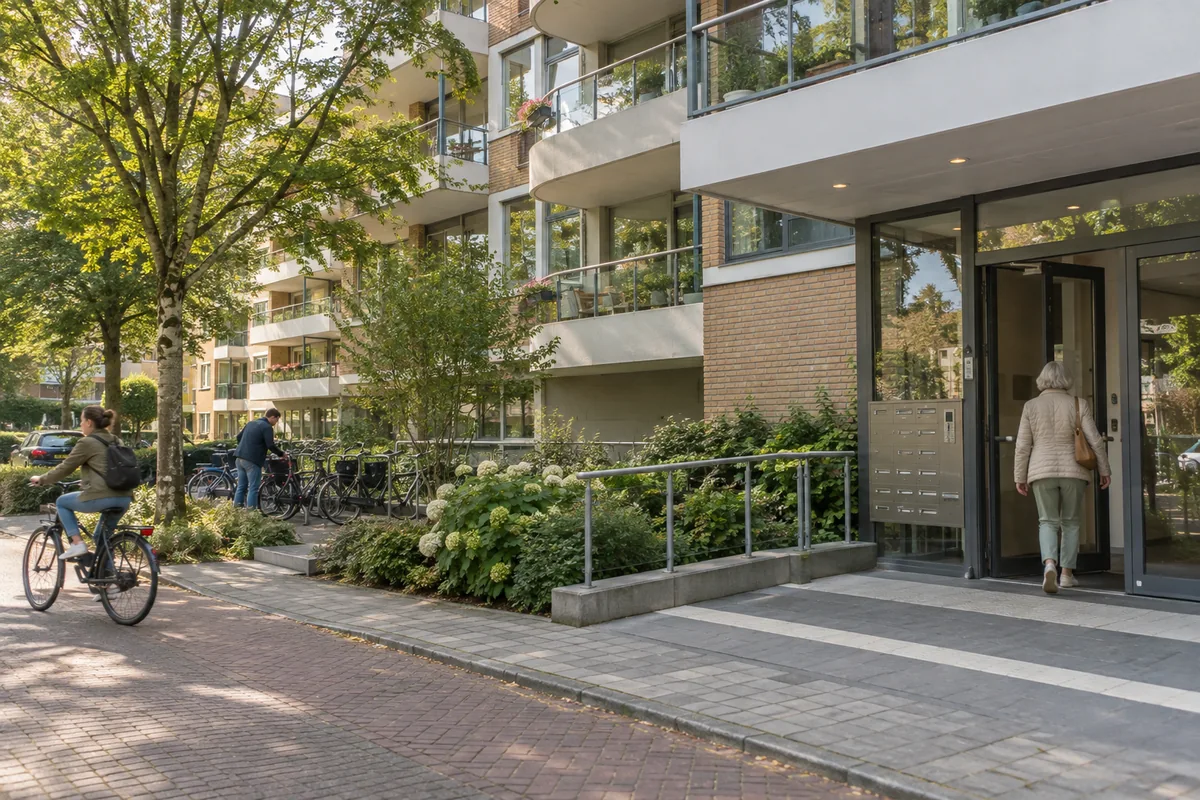
Housing
Support for newcomers
Municipalities have responsibilities for housing asylum permit holders and for guidance under the applicable integration system. Availability and eligibility matter; support does not guarantee an immediate home or job.
They can explain education, employment assistance, social assistance and local care or support. Ask your municipal contact which arrangements apply to you. Asylum reception and decisions on residence are handled by other organisations, including COA and IND.
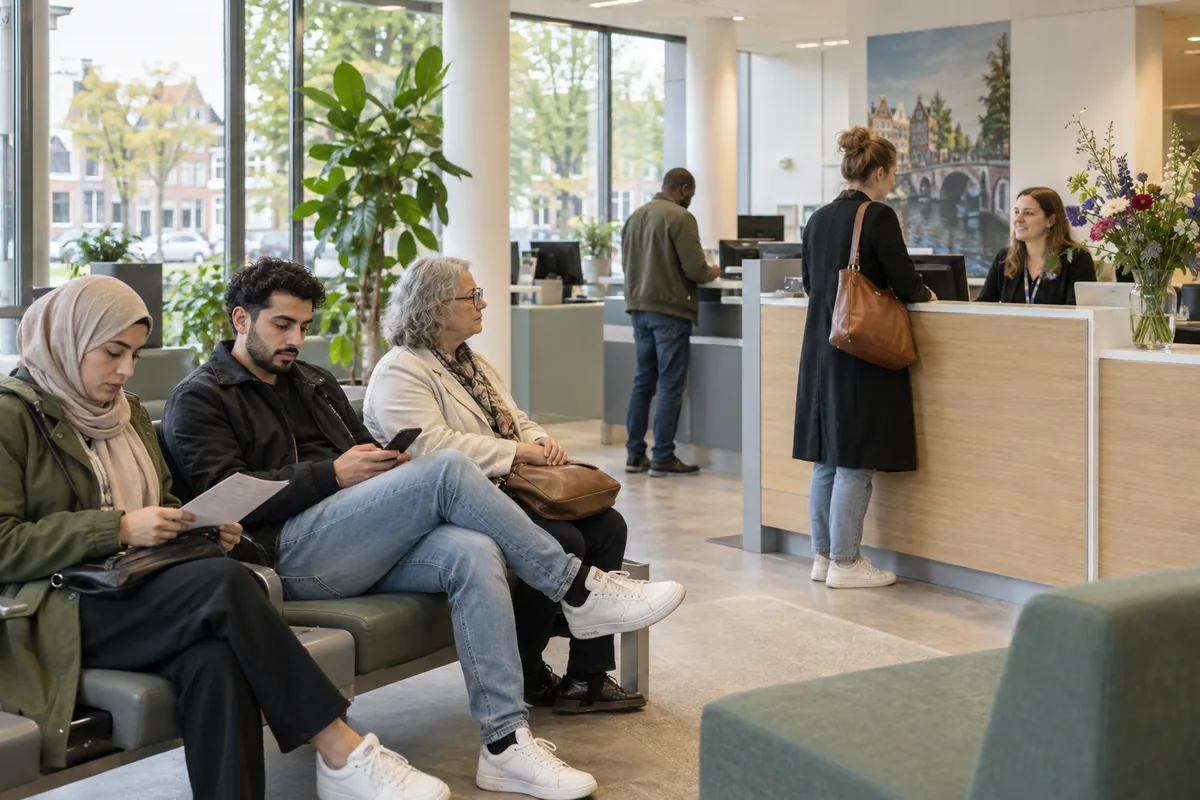
Municipal services
Workers and other residents
Municipal registration and local services matter to all residents. Work and residence permission are separate from municipal registration. Ask the municipality for local information, and IND or UWV for the relevant permit rules.
EU membership enables cooperation and, subject to conditions, movement of people and goods and residence in other member states. The Netherlands must follow applicable EU agreements and law.
Voting and your rights
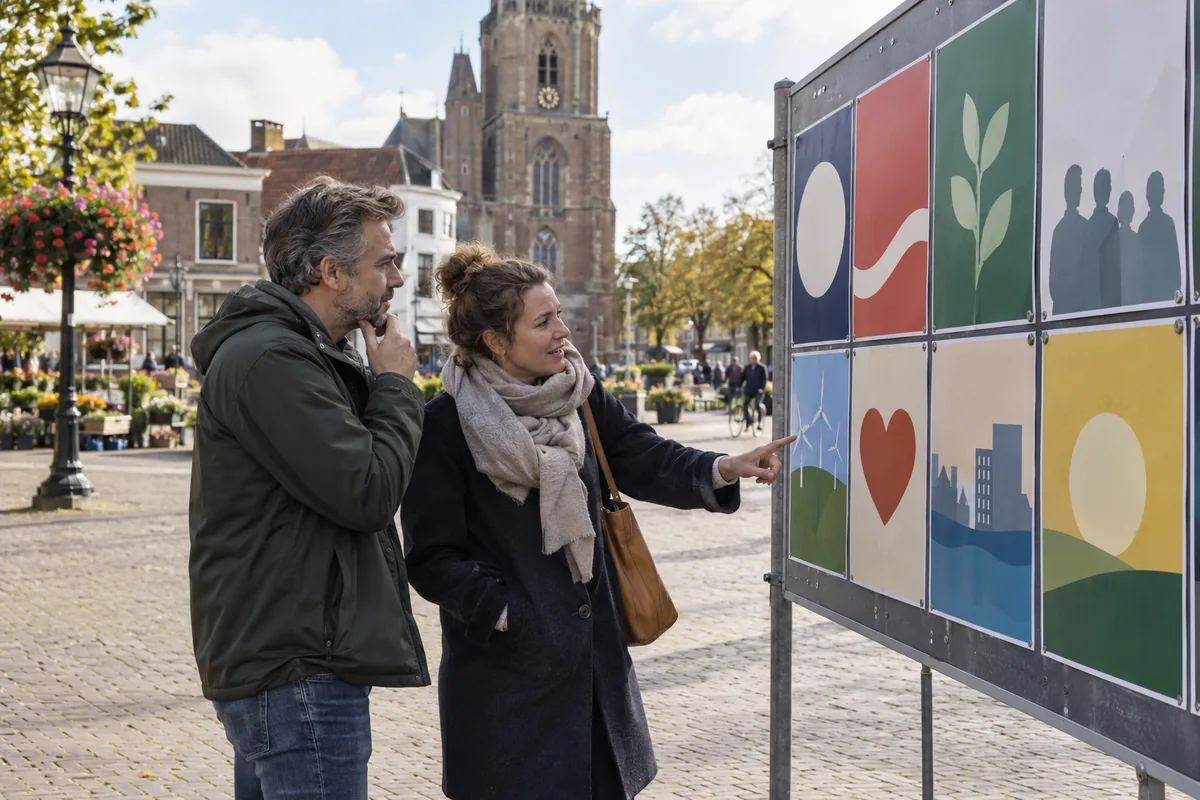
A historical election-poster display. Check your voting pass for current election information.
Voting
Political choices
Parties propose different policies on subjects such as housing, income, education, climate and migration. Read current programmes and compare reliable information. Party names, alliances and positions can change; choose on the basis of current proposals rather than stereotypes about their voters.
Left and right are broad political labels, often related to income distribution and the role of government. Progressive and conservative describe attitudes to change. Parties and individual voters do not fit every label neatly. You are free to disagree peacefully and to decide for yourself.
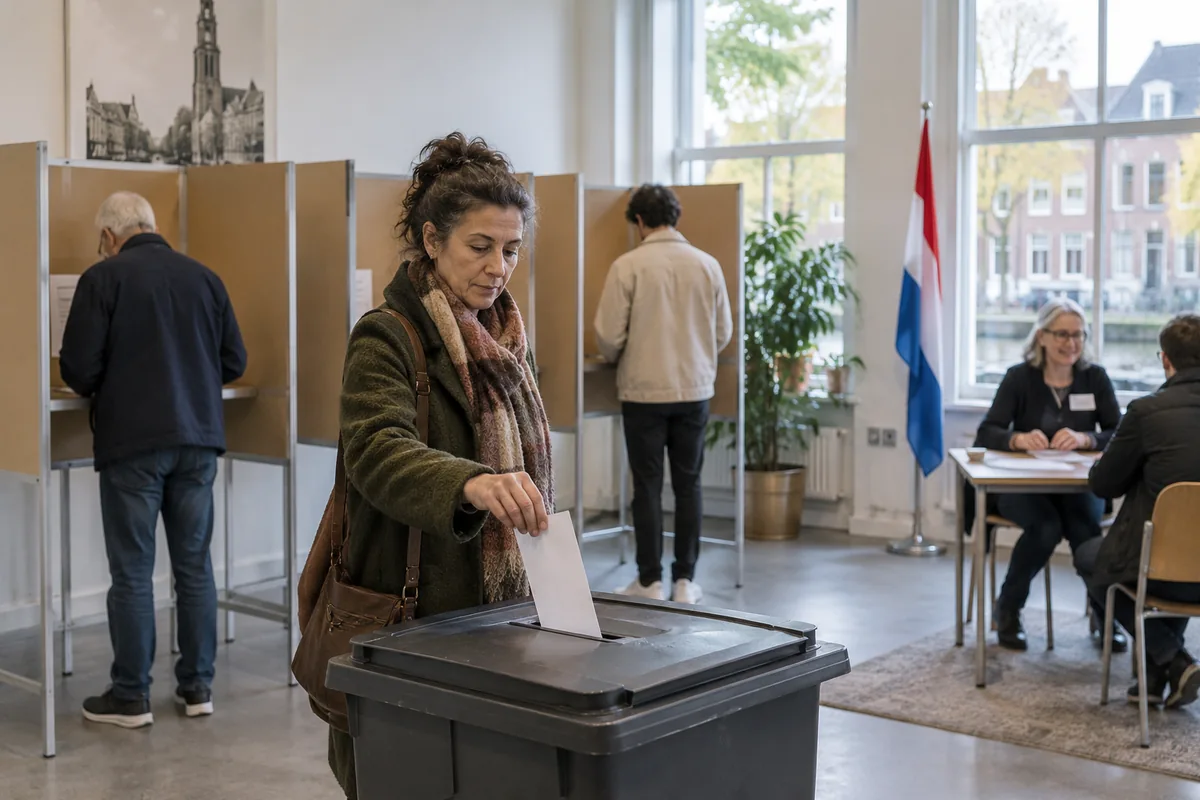
Voting
Which elections can you vote in?
For Tweede Kamer and provincial elections, voters generally need Dutch nationality, must be 18 or older and must not be excluded from voting. These elections normally take place every four years.
Municipal elections are normally every four years. Adult Dutch and EU residents can vote under the applicable conditions. Many non-EU residents qualify after five years of uninterrupted lawful residence, but residence-status exceptions apply. Check the municipality or Kiesraad; not every form of residence qualifies.
Water-authority voting has its own residence conditions. European Parliament elections take place every five years; eligible EU citizens vote in one member state, not twice. Some local authorities hold referendums under local rules; a referendum is not the same as electing representatives.
Active voting rights mean the right to vote; passive voting rights mean the right to stand for election. Read the voting pass, bring the required identification and ask the municipality about assistance or proxy rules. Voting is secret and voluntary; nobody may pressure you to reveal or change your choice.
Rights and responsibilities
Article 1 of the Constitution requires equal treatment in equal circumstances and prohibits discrimination. Women and men have equal rights. Freedom of expression protects debate and criticism, but does not permit criminal threats or unlawful discrimination. An opinion can be hurtful without automatically being illegal.
Everyone may choose a belief or have none. Religious organisations have freedom within the law; religious or traditional rules do not override civil law. Privacy and bodily integrity are protected. Share only necessary personal details and ask about access and correction of your records.
You decide about your own body. Unwanted sexual acts and violence are not justified by marriage, tradition or family honour. Discrimination can be reported to an antidiscrimination service and, where appropriate, the police.
Adults living in the Netherlands are included in the donor-registration system. If you do not record a choice after the notification procedure, your registration can become geen bezwaar (no objection). You can record or change your choice, including no donation or a limited choice, at Donorregister. Discuss your wishes with people close to you.
Practice test
Sources and current information
Updated October 2026. Check current conditions with the relevant organisation.
You have reached the end of this chapter. Next: History of the Netherlands.
Choose another category