
Early history and the Republic
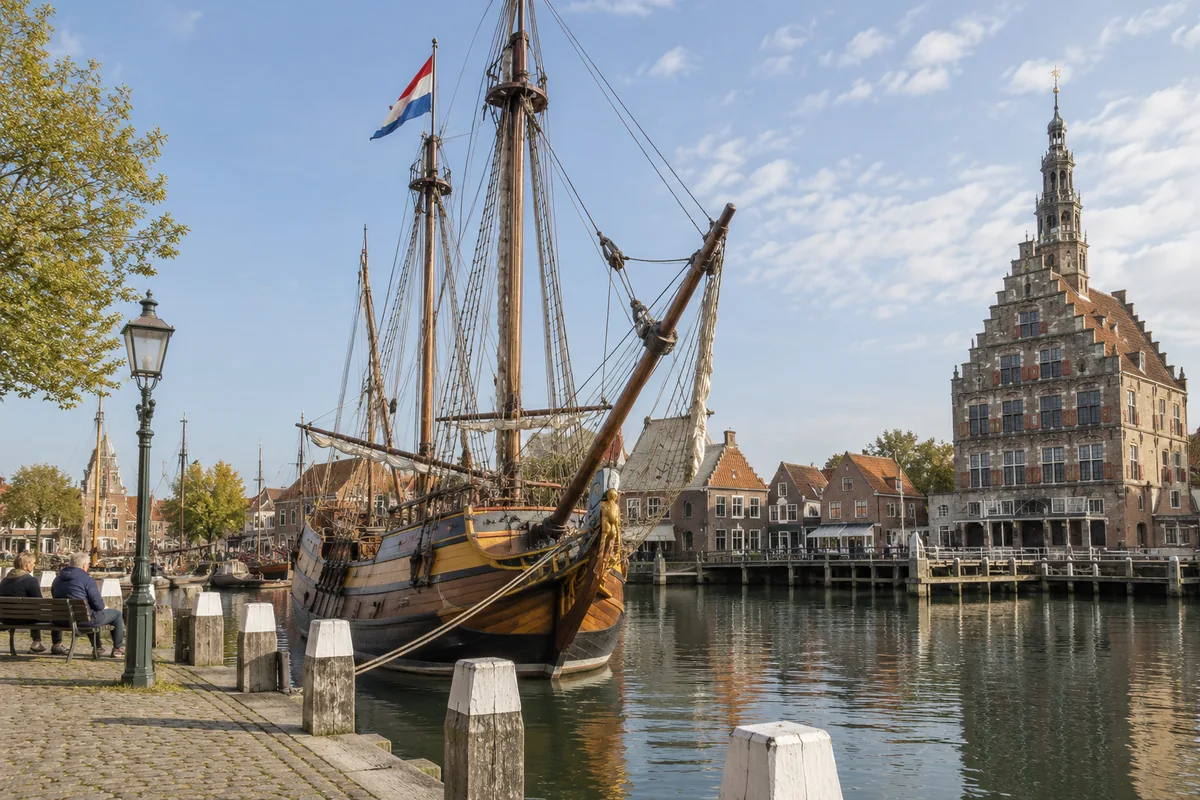
This illustration shows a historic-style sailing ship in a Dutch harbour. Ships and trade became important in the period of the Dutch Republic, discussed below.
Early history
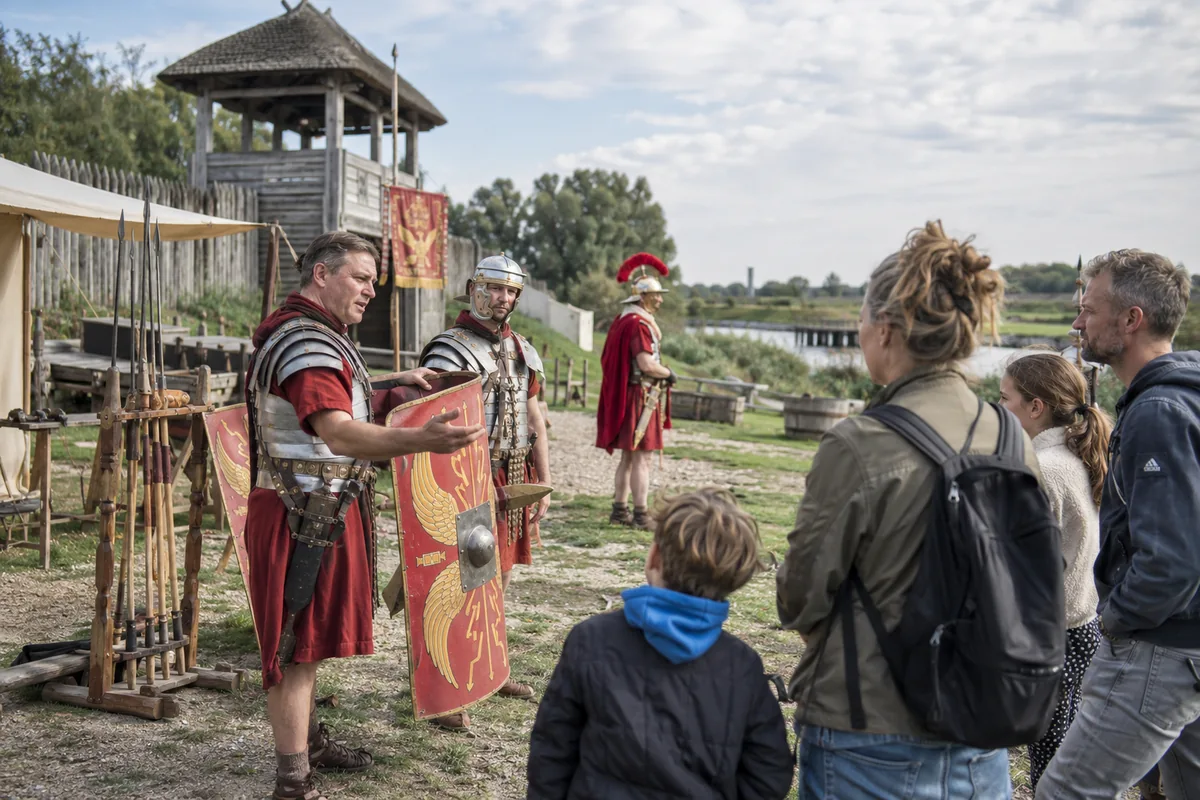
The southern part of what is now the Netherlands was within the Roman Empire. Roman settlements and roads left traces, including along the Rhine frontier. The Netherlands did not yet exist as today’s state.
During the Middle Ages, towns grew and Christianity and monasteries influenced society. Viking raids affected some areas. In the sixteenth century, the Reformation challenged the Catholic Church and Protestant movements developed.
William of Orange and the Republic
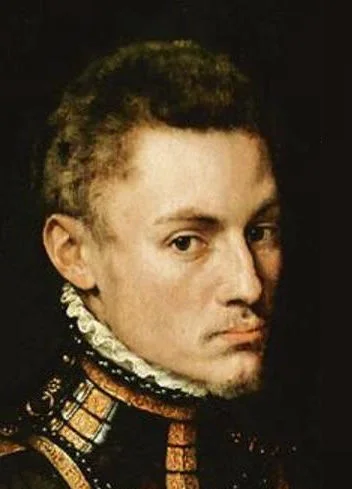
Willem van Oranje was a leading figure in the revolt against Spanish rule. The Eighty Years’ War is usually dated 1568–1648, not 1568–1628. Religion, political power and taxation all played a role. William was assassinated in 1584.
The northern provinces formed a republic in the late sixteenth century. Spain recognised its independence in 1648. The southern Netherlands followed a different political history. This past helped shape religious differences, but present-day beliefs vary greatly.
The national anthem is het Wilhelmus. Its historical words are connected with William of Orange and the revolt.
William of Orange
Willem van Oranje is often called the father of the fatherland.
Dutch Hymne
The national anthem
Listen to the original anthem video. Its old wording reflects a different historical context; it should not be read as a present-day nationality test. The Dutch flag has horizontal red, white and blue bands. The anthem and flag are national symbols.
Trade, colonialism and social change
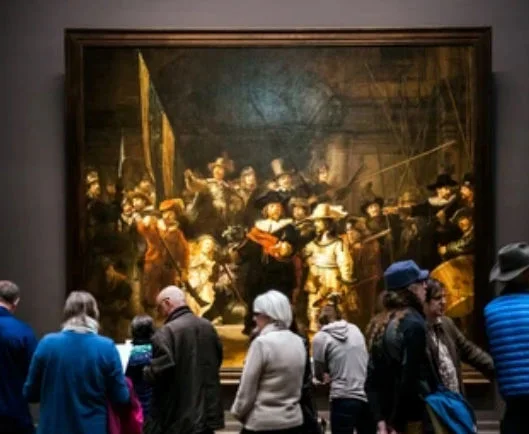
Night Watch (Rembrandt)
Trade, art and colonial power
The seventeenth century is often called the Gouden Eeuw. Shipping, trade, finance and production brought wealth to some people, and art and science flourished. Many others remained poor. The term should not hide inequality, colonial violence or slavery.
The VOC, founded in 1602, traded and exercised colonial power in Asia. The WIC operated in the Atlantic world. Dutch authorities and traders enslaved people, traded enslaved people and forced them to work, including on plantations. People resisted enslavement and colonial rule.
Canal houses and paintings remain visible traces of this period. Rembrandt’s De Nachtwacht is in the Rijksmuseum in Amsterdam. The original documentary provides additional historical context.
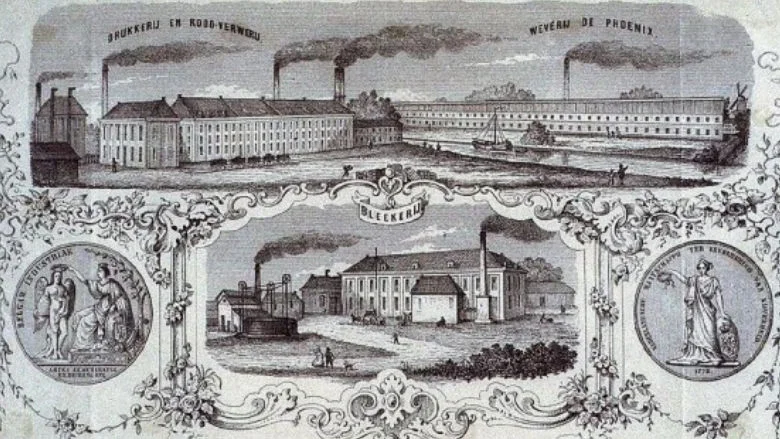
Industries arise… people move from the contryside
From republic to constitutional monarchy
The eighteenth century included commercial wealth but also political conflict and economic difficulties. Patriots challenged the existing order; French influence later transformed government. The Kingdom of the Netherlands was established in 1815.
The 1848 constitutional reform associated with Thorbecke limited royal power and strengthened parliamentary government. Democracy developed gradually: the reform did not immediately give everyone a vote. General male suffrage followed in 1917 and women gained voting rights in 1919.
Industrialisation changed work and towns during the nineteenth century. People moved for factory work; poverty, long hours and child labour prompted reform. The historical video illustrates these conditions.
War and economic crisis
The Netherlands remained neutral during the First World War, 1914–1918, but experienced shortages and received refugees, including from Belgium.
The worldwide economic crisis of the 1930s caused unemployment and poverty. Social and labour protections developed over time; prosperity was not shared equally.
Poverty 1850 – 1930
Slavery and former colonies
Dutch colonial rule affected places including Indonesia, Suriname and the Caribbean. Slavery was formally abolished in the Dutch Atlantic colonies in 1863; in Suriname many formerly enslaved people were still forced to work under state supervision for ten more years.
Indonesia proclaimed independence in 1945. After a violent decolonisation war, the Netherlands transferred sovereignty in 1949. Suriname became independent in 1975. These histories still shape family connections, culture and public debate in the Netherlands.
War, rebuilding and a changing society
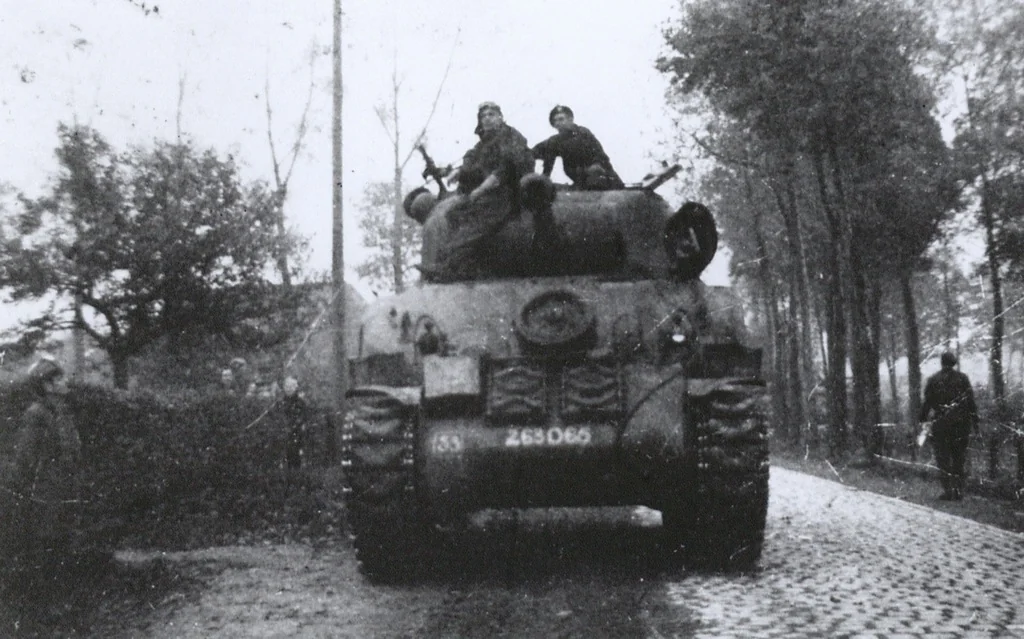
War
The Second World War and the Holocaust
Nazi Germany invaded the Netherlands in May 1940. The bombing of Rotterdam and the occupation caused destruction, loss and fear. The occupation lasted until 1945; liberation occurred in stages.
The Nazis and their collaborators persecuted and murdered Jews. About six million Jewish people were killed in the Holocaust, including more than 100,000 from the Netherlands. Other groups were also persecuted and murdered. Antisemitism and discrimination must not be normalised.
Some people resisted or helped people in hiding; others collaborated or stood by. The Hunger Winter brought severe shortages. Allied forces helped liberate the country. The Netherlands commemorates liberation on 5 May.
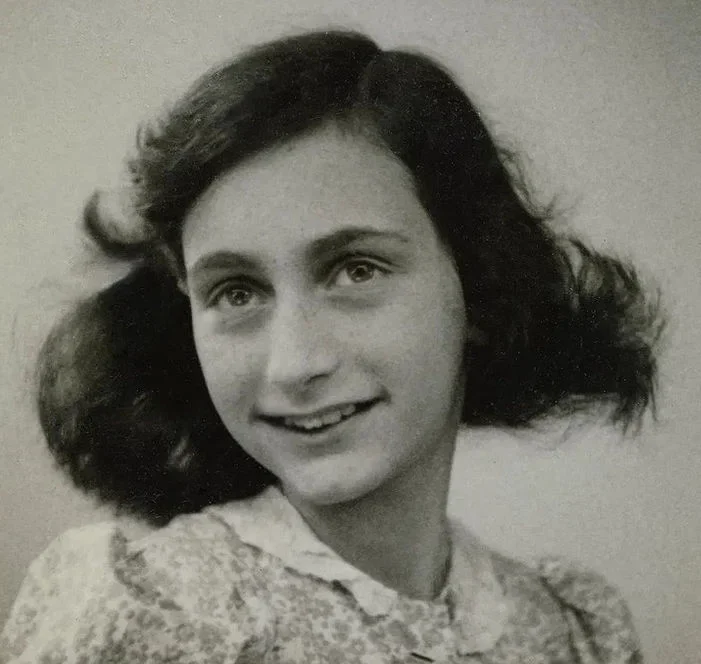
Anne Frank
Anne Frank
Anne Frank was a Jewish girl whose family hid in Amsterdam from 1942. The people in the Secret Annex were arrested in August 1944. How the hiding place was discovered is not conclusively established; a specific betrayal should not be presented as a proven fact.
Anne died in Bergen-Belsen in 1945, aged fifteen. Her diary was published after the war and gives a personal account of life in hiding and the persecution of Jews.
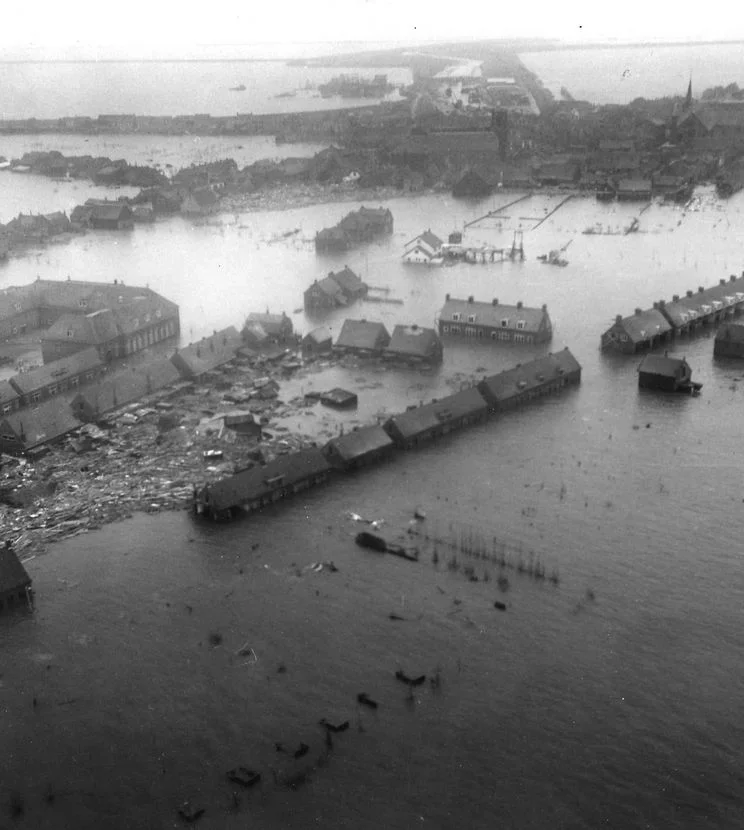
Flood disaster 1953
Rebuilding and cooperation
After 1945, the Netherlands rebuilt homes, industry and infrastructure. Economic growth and social policies contributed to the welfare state, though difficulties remained.
The 1953 flood disaster struck the southwest and killed more than 1,800 people in the Netherlands. The Delta Works and stronger defences followed. Dikes, polders, pumping and water authorities are part of a much longer history of managing water.
The Netherlands became a founding member of the United Nations and NATO and participated in the European cooperation that developed into the EU. The UN works on international peace and cooperation; NATO is a defence alliance; the EU has common institutions, rules and an internal market.
Migration and a changing society
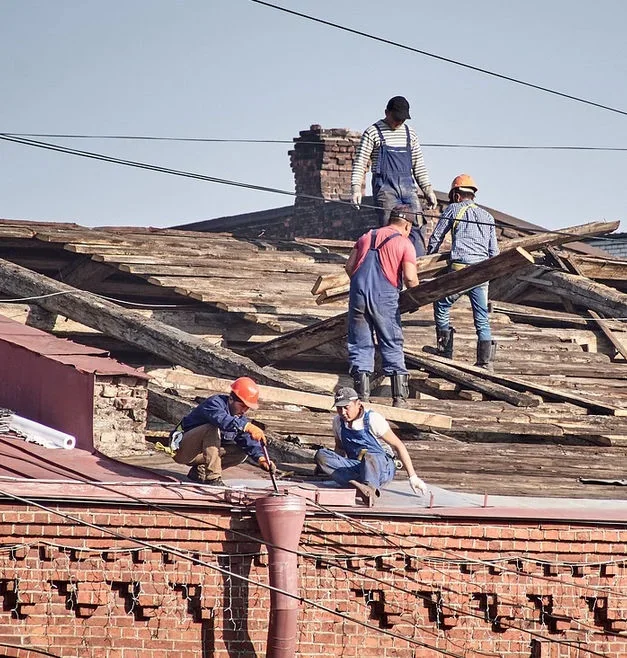
After the war, people arrived from former colonies, including Indonesia and Suriname, and from the Caribbean. Employers also recruited workers from countries such as Italy, Spain, Turkey and Morocco. Many settled and brought family members. Later migration included EU workers, refugees and people coming for study or family.
People’s reasons and experiences differ. Migration contributed to the diversity of society; it should not be reduced to a claim that one nationality does one type of work. Integration laws have changed over time: consult current guidance for your own obligations.
People coming to work
Labour migration has occurred in different periods and from many countries.
Remembrance, freedom and self-determination
On 4 May, National Remembrance Day honours victims of war. On 5 May, Liberation Day celebrates freedom. Remembering persecution also helps explain why equal rights and protection against antisemitism matter.
Especially since the 1960s, movements for emancipation and personal freedom have changed society. Women gained greater independence and gay and lesbian people campaigned for equal rights. Same-sex marriage, abortion care and euthanasia are regulated in Dutch law, each with its own conditions; legal recognition is not a duty to choose them. People may hold different beliefs while respecting others’ rights.
Practice test
Sources and current information
Updated October 2026. Check current conditions with the relevant organisation.
You have reached the end of the final chapter. Return to the overview to practise another category.
Choose another category