
Customs and personal choices
PEOPLE
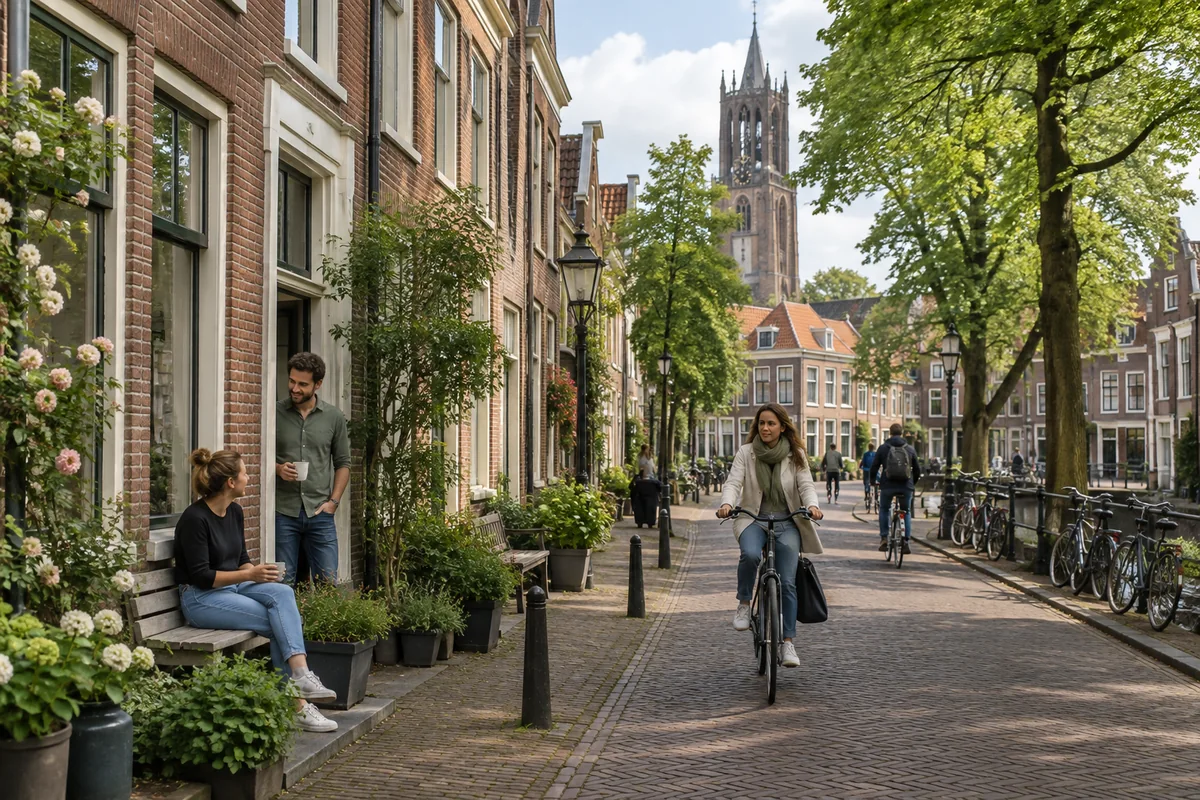
Alkmaar: a typical Dutch town
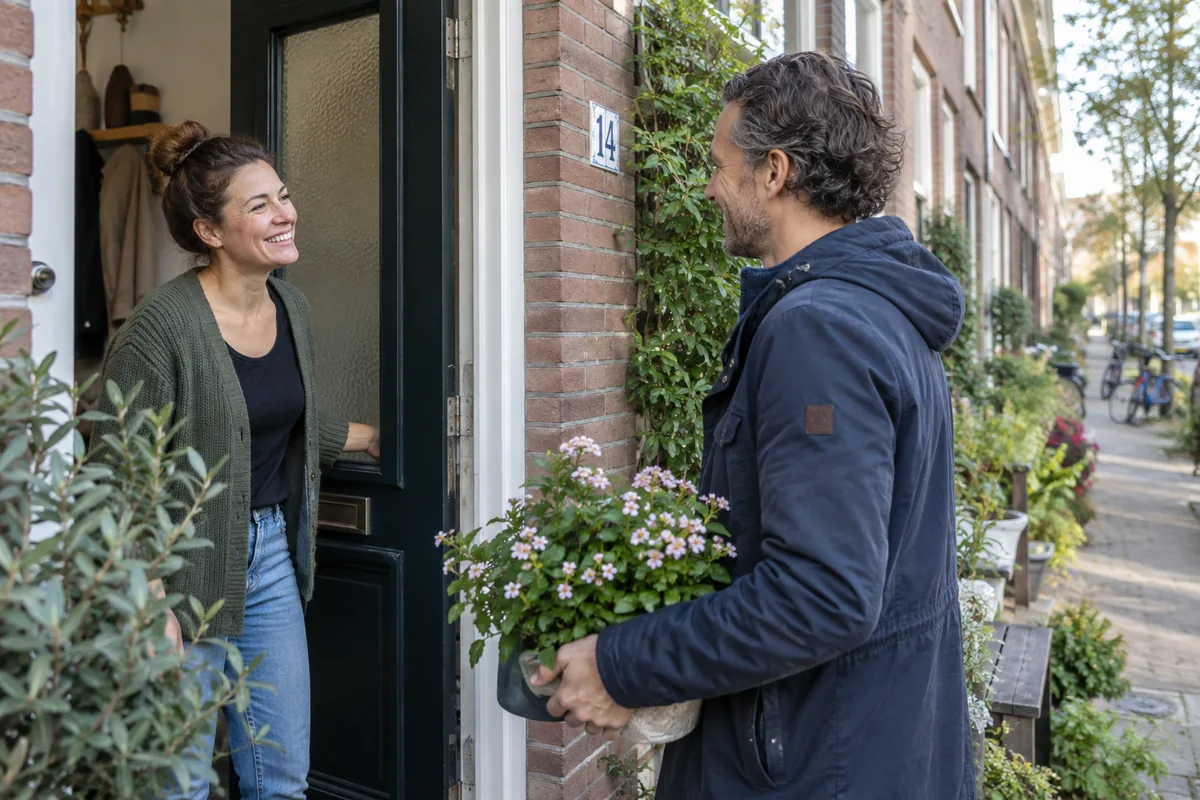
Different people, equal rights
People in the Netherlands have different beliefs and ways of life. Customs are not the same in every family. You may have a religion or no religion. Everyone must follow the law.
- Personal choices: women and men have equal rights. Each person may make their own choices about their relationships, work and beliefs.
- Abortion: abortion is permitted within the law. A pregnant person can discuss their situation and options with a doctor or abortion clinic. Nobody should force this decision.
- Euthanasia: this means a doctor ends a patient's life at the patient's request. It is only permitted under strict legal conditions. It is not an automatic right, and a doctor is not obliged to carry it out.
- Relationships: people may marry, divorce or live together without marrying. A cohabitation agreement can record arrangements between partners. Two women or two men may also marry.
- Safety at home: violence against a partner or child is not allowed. You can ask for help if you are unsafe.
- Circumcision: male circumcision is practised in some communities. Female genital mutilation is prohibited. The rules and health issues are different; ask a healthcare professional if you need information.
- Sexual consent: sexual contact must be voluntary. Stop if someone does not want it or you are unsure. Being married is not permission for sex. Children under 16 receive special legal protection from sexual contact with adults.
- Different views: people may have different beliefs about sex before marriage. Nobody may force another person into sex or a relationship.
- Older people: many older people live independently, with support if needed. Others live with family or in care settings. Living alone does not necessarily mean feeling lonely.
Respect and help
People may disagree, but threats, violence and discrimination are not acceptable. Respect another person's boundaries and freedom to choose.
For immediate danger, call 112. For concerns about domestic violence or child abuse, contact Veilig Thuis. You can also ask a trusted professional for help.
Holidays and remembrance
Alkmaar: a typical Dutch town
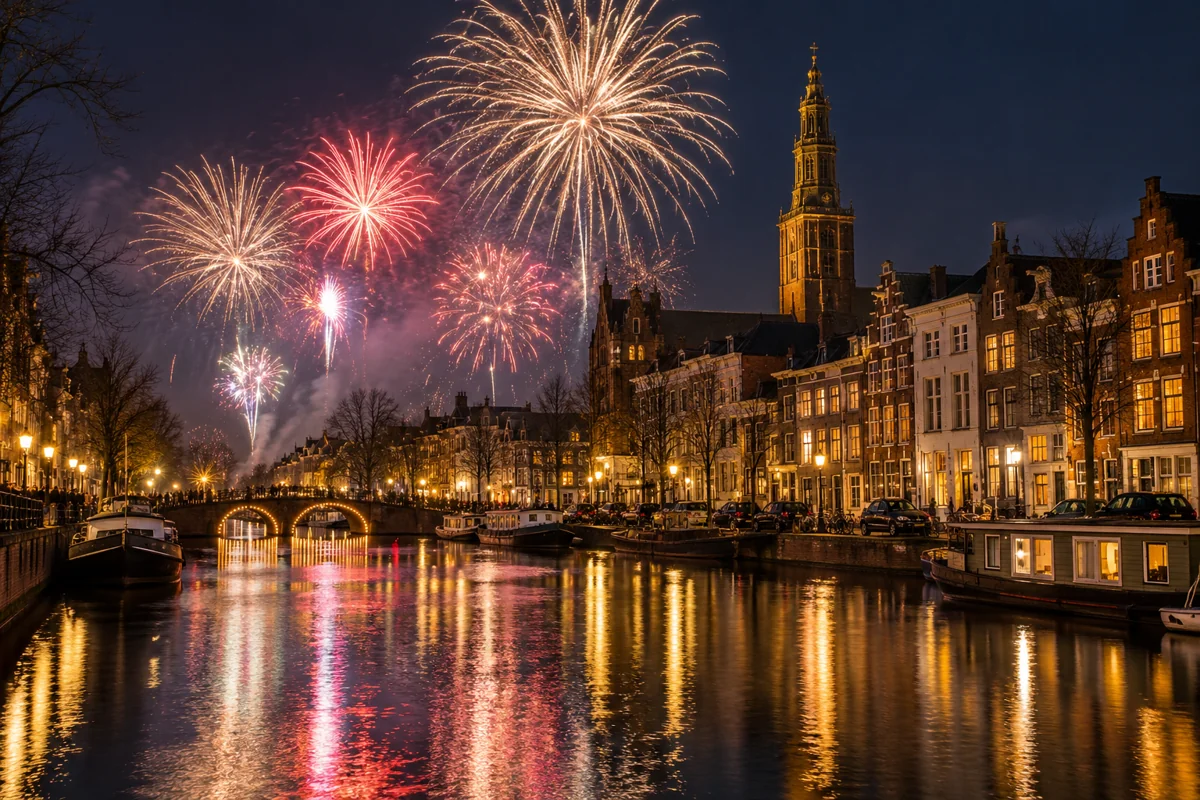
Important days in the Netherlands
There are several holidays in the Netherlands, each of which has its own meaning. Below are the main holidays and what people often do during these days:
New Year’s Day (January 1)
This is the first day of the new year and many people celebrate it with family or friends. People wish each other all the best for the new year.
1. Happy new year
2. Best wishes for the new year
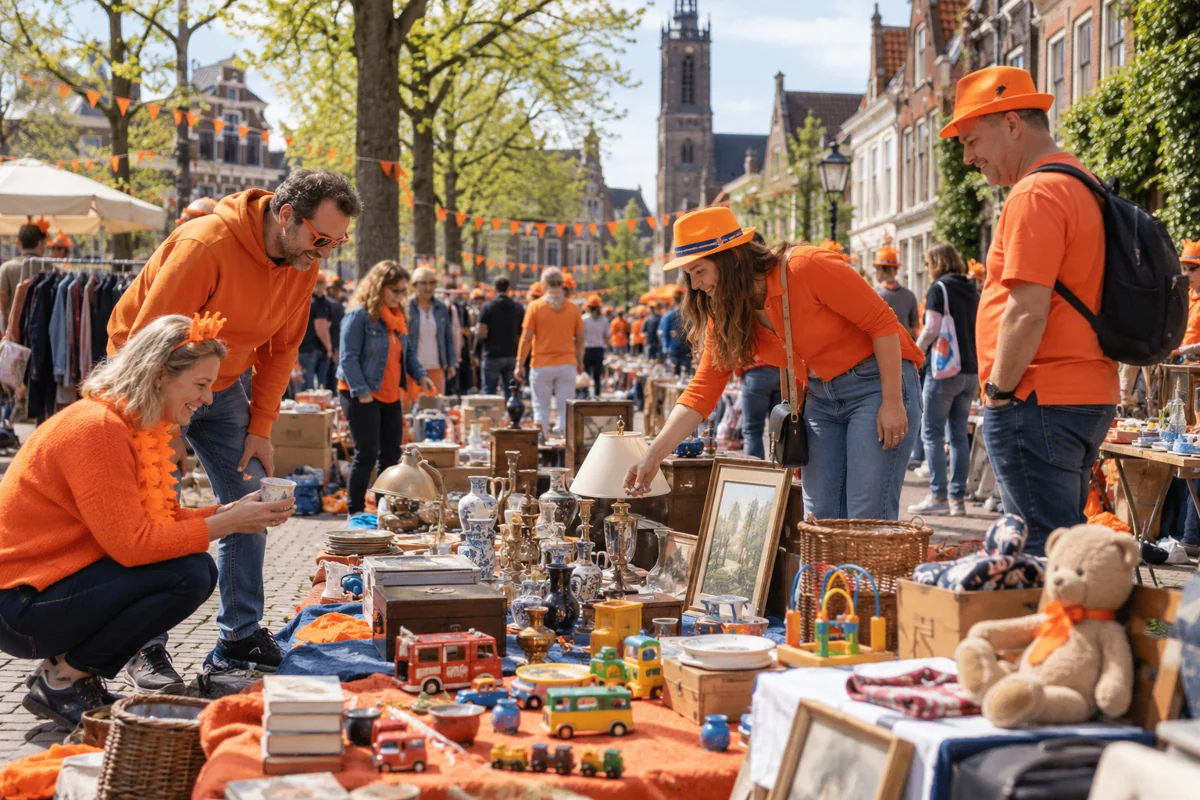
King's Day
King's Day is usually on 27 April. If that date is a Sunday, the celebration is on 26 April. Many towns hold markets, parties and activities. People often wear orange. Not everyone celebrates in the same way.
Listen to the Dutch name:
Remembrance Day — 4 May
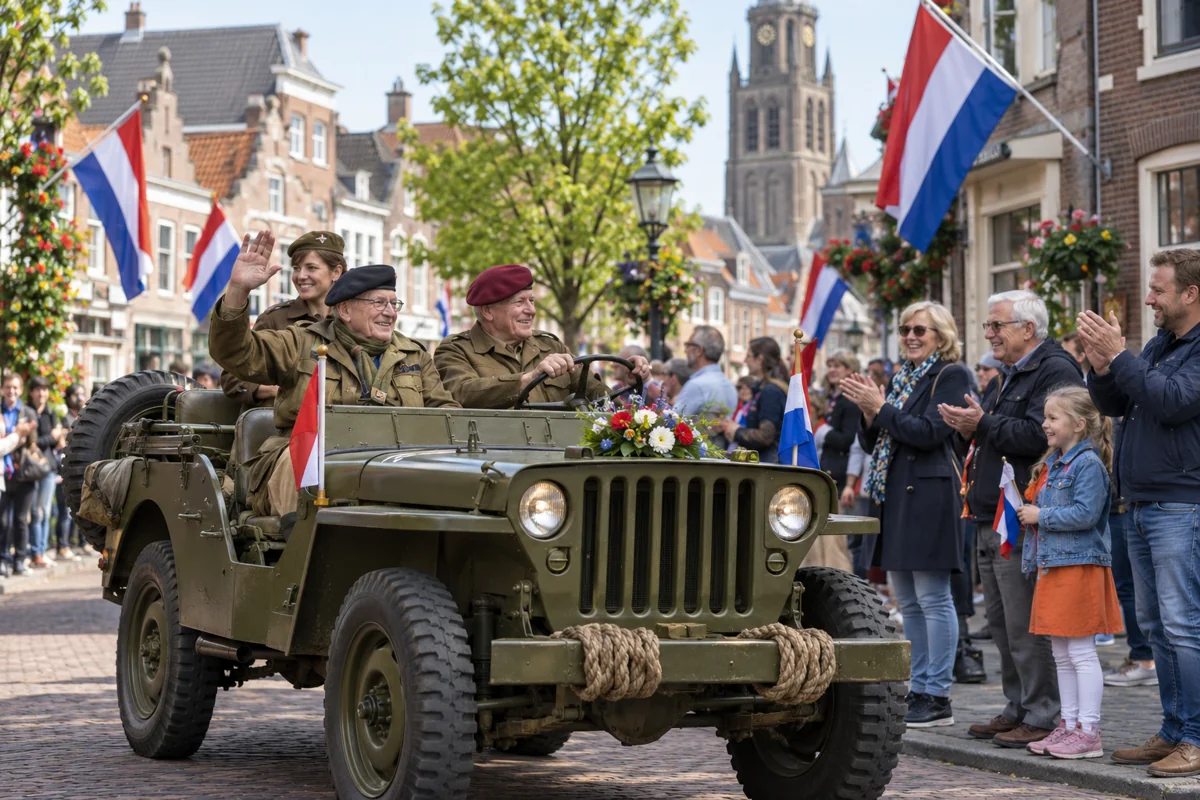
On 4 May, people remember victims of war. At 8 pm there are two minutes of silence. This is a moment of remembrance.
Listen to the Dutch name for Remembrance Day, then Liberation Day:
Liberation Day — 5 May
On 5 May, people celebrate the liberation of the Netherlands in 1945 and reflect on freedom today. There are festivals and other activities.

Christmas
Christmas (December 25 and 26): Christmas is a very important holiday, especially for Christians. It is a special day to celebrate the birth of Jesus Christ. Christians go to church and spend time with their family and friends. However, nowadays, it has also become a typical “family-day” for people who are not Christians.
During Christmas, people often have big meals together and exchange gifts. Many people also decorate a Christmas tree in their homes with ornaments, garlands, and lights. It’s a festive time when families come together to enjoy each other’s company and celebrate the holiday spirit.
Kerstmis
- gelukkig kerstfeest
- hoe was jullie kerstfeest?
- het was heel gezellig
AI-generated illustration.
sentences
1 Merry Christmas
2 how was your christmas?
3 it was very pleasant
Pasen
- Pasen
- eieren
AI-generated illustration.
Easter
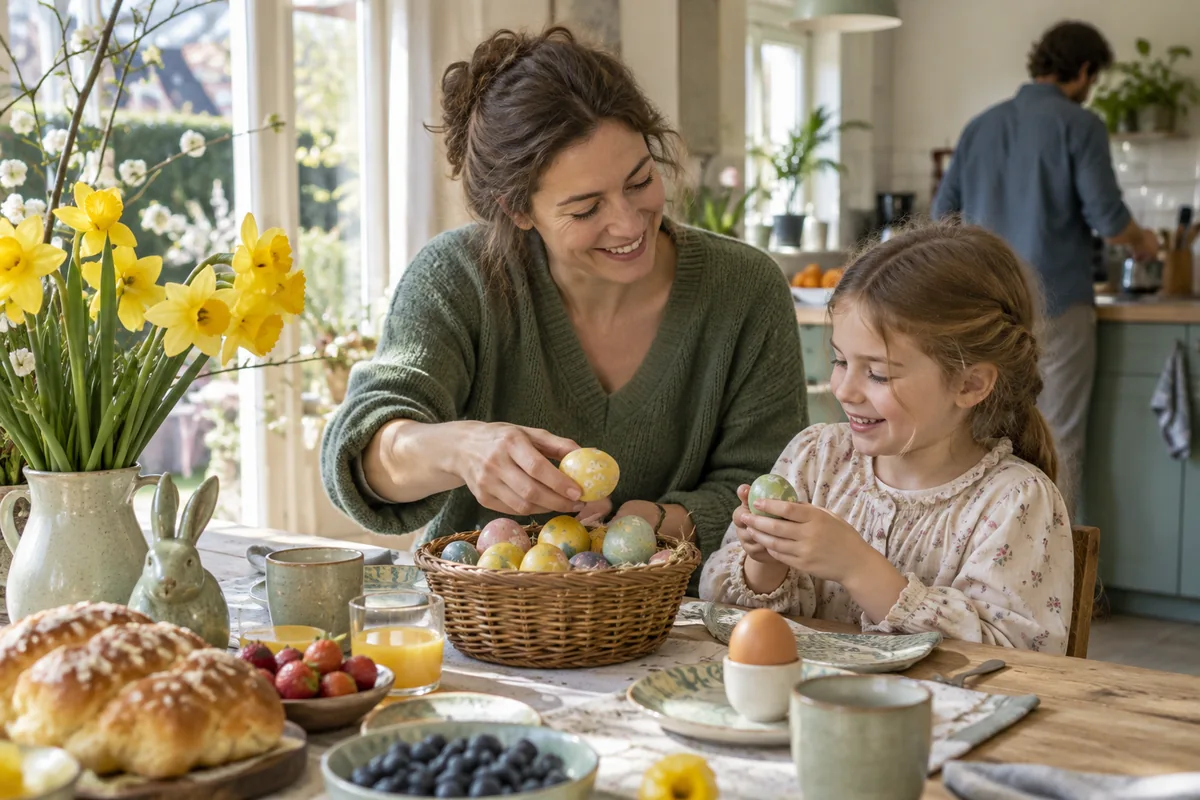
For Christians, Easter celebrates the resurrection of Jesus. Some people attend church. Others spend time with family or organise an Easter egg hunt. Dates change each year.
Easter Sunday and Easter Monday are public holidays. A public holiday does not automatically mean you have a day off work: check your employment contract or collective labour agreement.
Listen to the Dutch word:
Carnaval
Carnival, also known as “Carnaval” in Dutch, is a festival celebrated in the southern part of the Netherlands, mainly in the provinces Noord-Brabant and Limburg. It happens before a period of fasting, and is a time of fun and celebration. By the way, not many people in the Netherlands actually fast after Carnival.
During Carnival, people wear costumes and masks, and there are parades and street parties. The festival has a tradition of humor and making fun of things, including politics. The parades often have funny and satirical themes.
School holidays
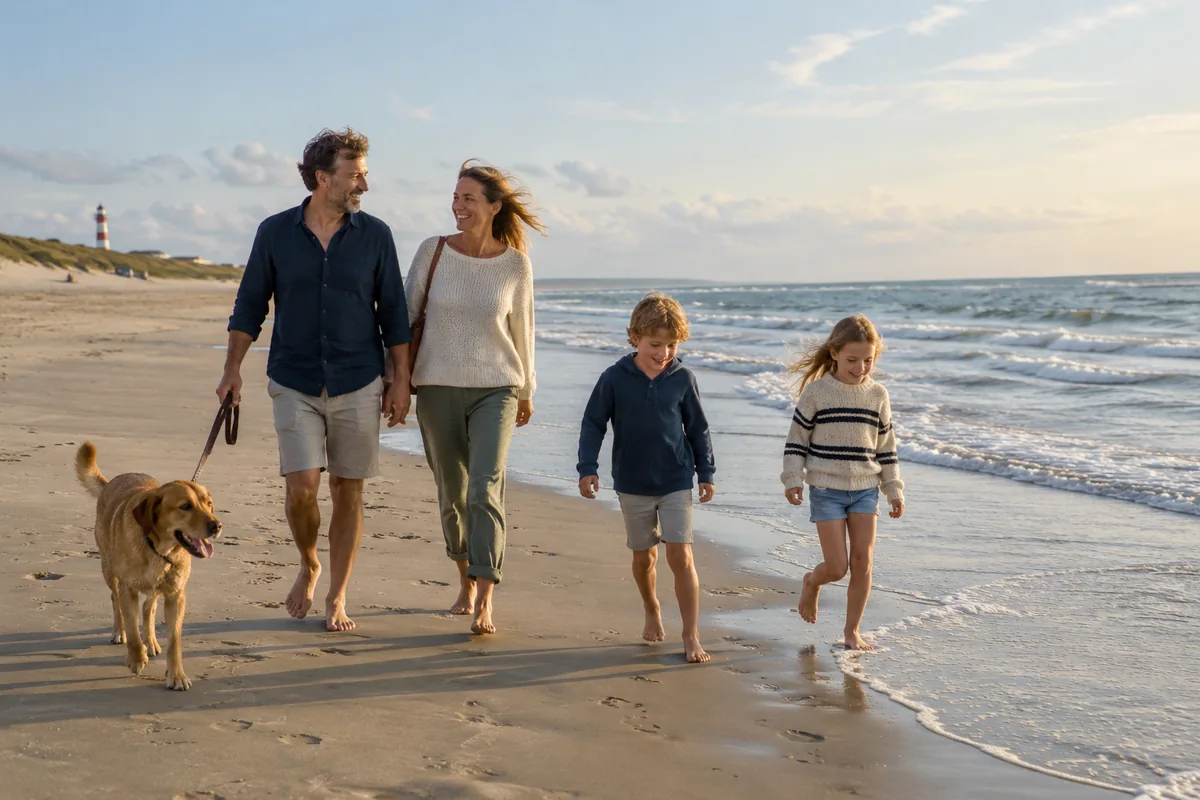
The summer holiday is the longest school holiday. Families may travel, visit relatives or stay at home. The Christmas school holiday lasts about two weeks around Christmas and New Year.
Some school holiday dates differ by region. Check the school calendar rather than assuming everybody has the same dates.
Listen to the original Dutch holiday vocabulary:
Other celebrations
People also celebrate religious and cultural occasions such as Eid, Ramadan, Diwali and Hanukkah. Some celebrate none. Ask rather than assume what a person celebrates.
Good Friday, Ascension Day and Pentecost also appear on the Dutch public holiday calendar. Check with your school or employer about days off.
Important life events
Other important days (more personal)
Birthday
The Dutch name for this day is “verjaardag”:
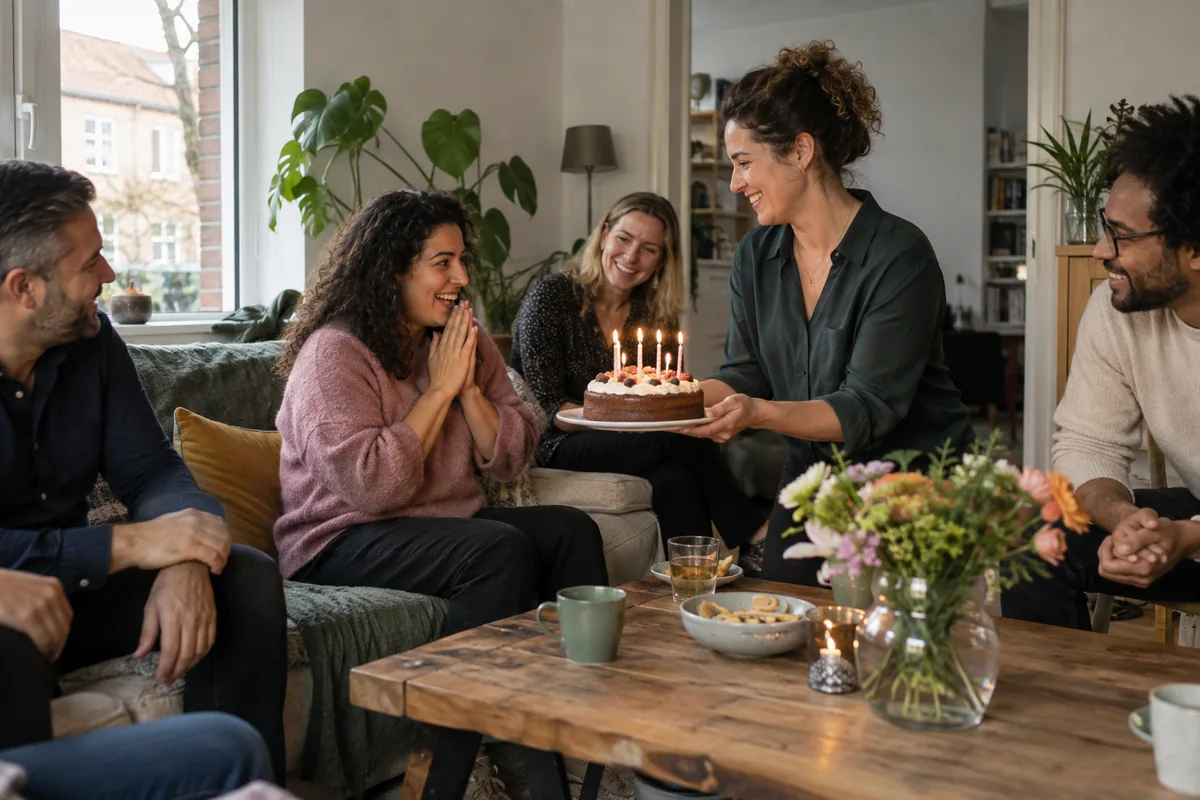
When it’s your birthday, you get presents and especially young children eat cake with candles on it. If a child is seven then there are 7 candles on it. There is also a special song called “Lang zal ze leven”. It is sung at home, at school or at work and you often give something tasty. Children sometimes have party. Family and friends come to visit to congratulate the birthday person.
Usually you give a small present.
Verjaardag
- hartelijk gefeliciteerd
- met je verjaardag
Birthday sentences
1: congratulations
2. with your birthday
Marriage and living together
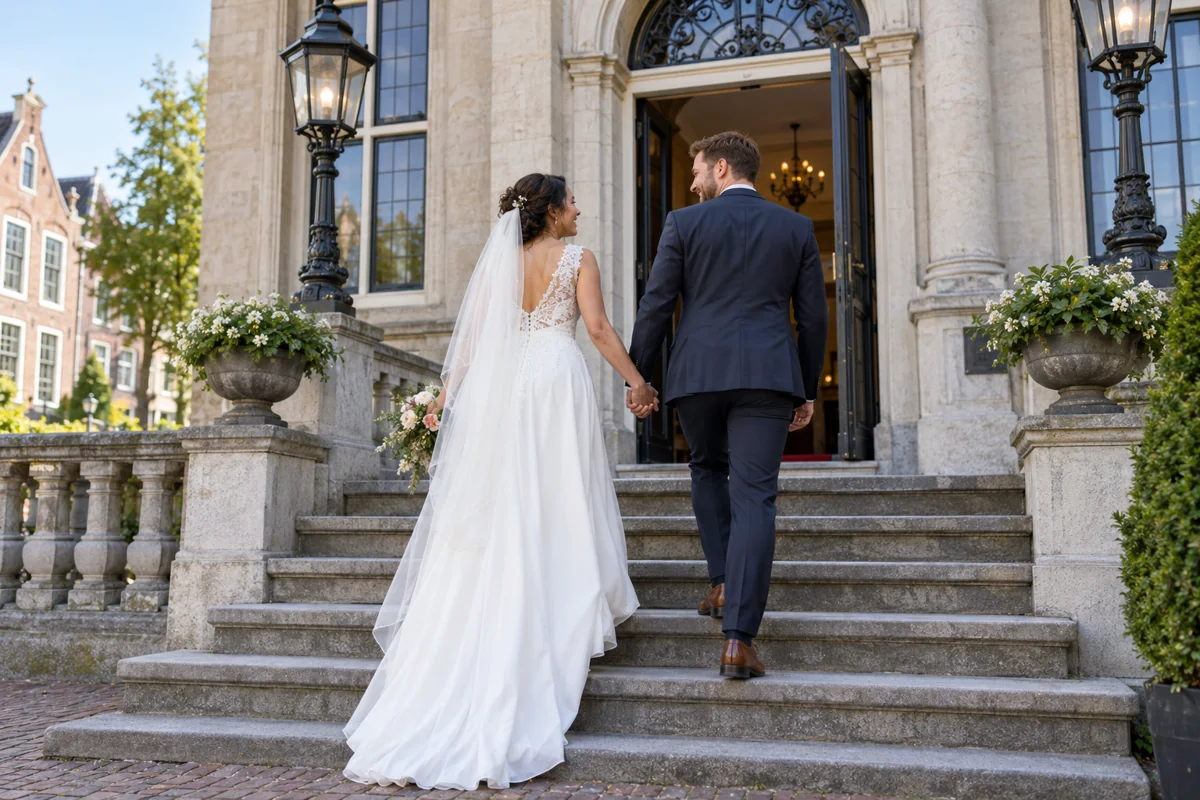
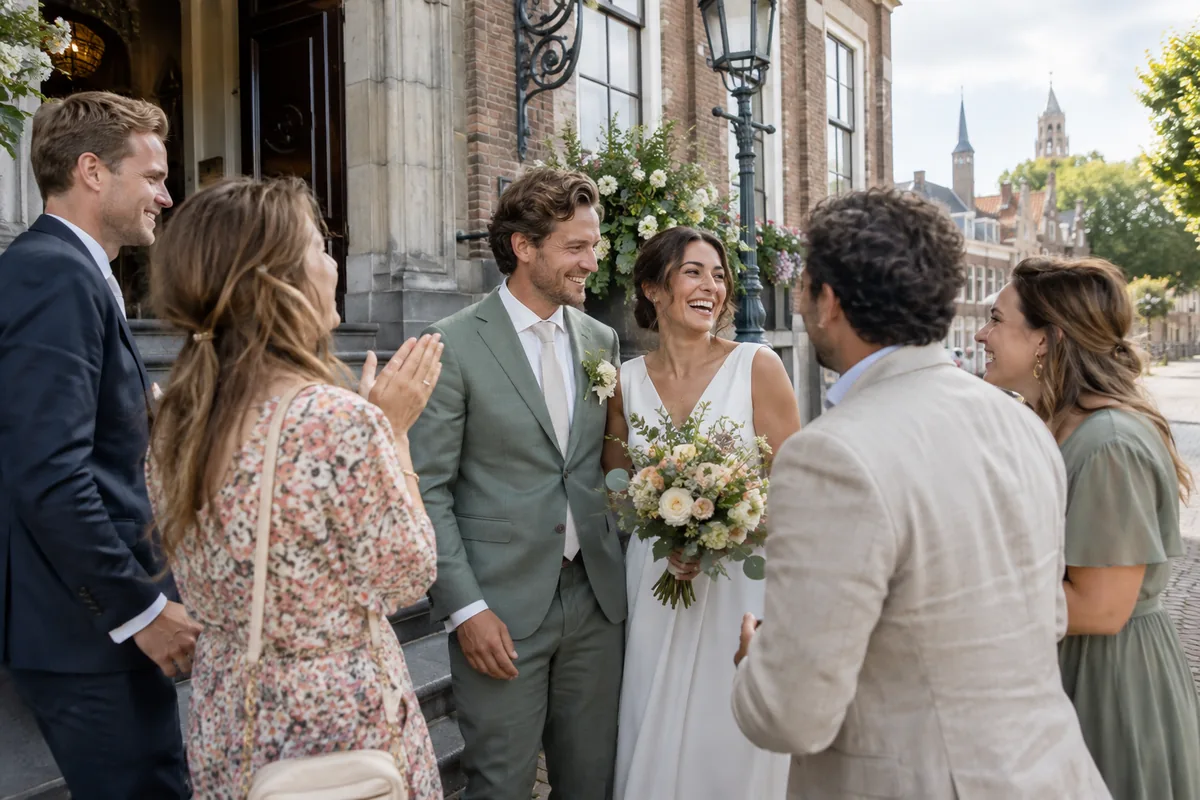
The Dutch word for marriage is huwelijk. A legal marriage is registered in a civil ceremony. A religious ceremony may take place afterwards. Clothes, invitations, gifts and celebrations vary: there is no rule that a bride must wear white or that everyone must have a large party.
People may also live together without marrying. The Dutch expression is samenleven. Partners can make an agreement about their arrangements.
Listen to the two expressions:
Huwelijk
- hartelijk gefeliciteerd
- met jullie huwelijk
- hier nog een klein cadeautje
Sentences
1. congratulations
2. with your marriage
If you are invited to the partij you cam bring a present, for instance related to the country where you come from. People always like such a present:
3. here is a small gift

Same-sex marriage accepted in the Netherlands
Same-sex marriage
Since 2001, two women or two men have been able to marry in the Netherlands. Their marriage is legally recognised. People may hold different personal beliefs, but discrimination is prohibited. The law protects equal treatment.
Listen to the original Dutch expression:
LGBTQ+
LGBTQ+ is a term that includes different types of people. It stands for lesbian, gay, bisexual, transgender, and queer. The “+” means that there are other types of people who are also part of this community.
Here’s what each term means:
Lesbian: This word is used for women who are attracted to other women.
Gay: This word is often used for men who are attracted to other men, but it can also include women.
Bisexual: This means someone who is attracted to both their own gender and other genders.
Transgender: This is when someone feels that their gender identity is different from the sex they were assigned when they were born.
Queer: This is a word that includes many different types of people who don’t fit into traditional categories. It can be used by people who don’t feel they fit into one specific group.
The “+” at the end means there are other types of people who are also part of the community, even if they’re not specifically mentioned. It’s important to remember that everyone is unique, and these terms help us understand and respect each other’s differences.

Coming out
Coming out means telling someone about your sexual orientation or gender identity. Each person decides whether, when and with whom to share this. Respect privacy: do not tell other people without permission.

Birth
The Dutch expression is “geboorte”:
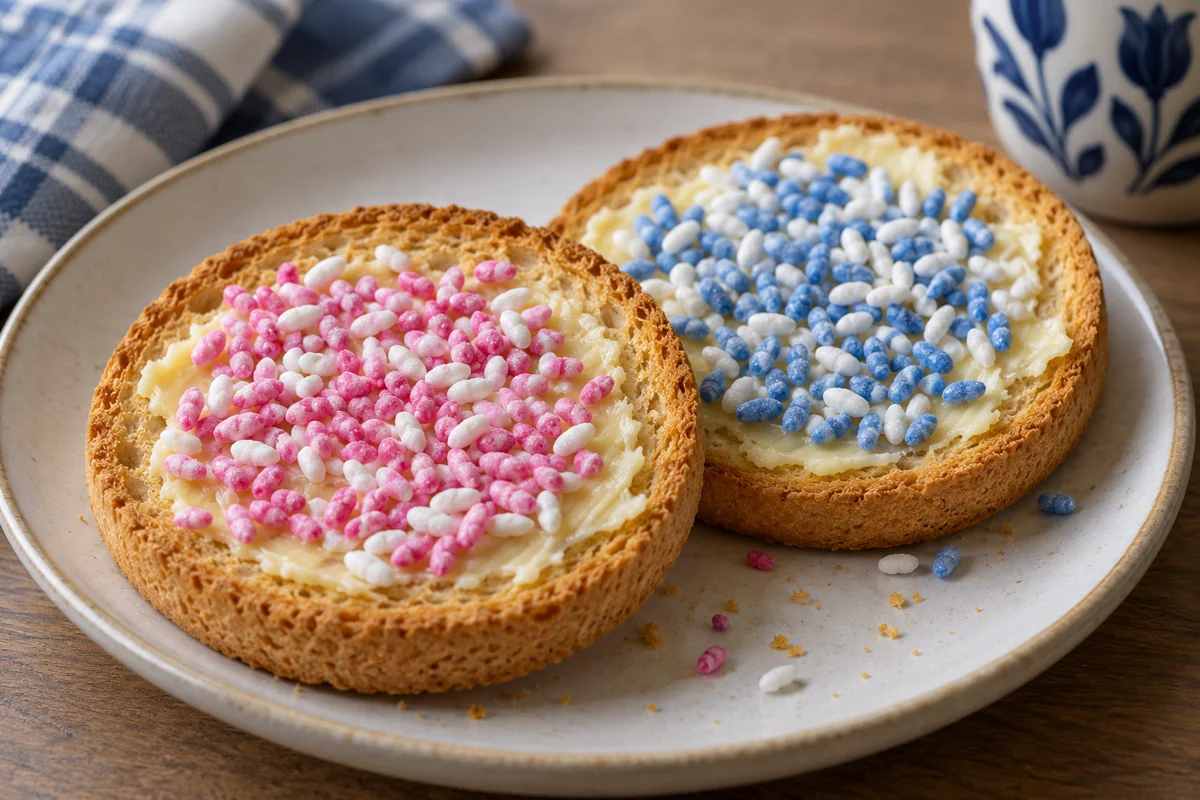
When a baby is born, it sometimes happens in the hospital and sometimes at home. The parents send cards to family and friends to share the good news. When visitors come, an appointment often has to be made first, because the mother and baby need rest. Visitors often receive biscuits (special large cookie) with small sweet (blue or pink). The Dutch expression is “beschuit met muisjes”.
When a baby is born in the Netherlands, there are several typical customs and traditions:
Birth Announcements: Parents often send out birth announcements to family, friends, and acquaintances to share the joyous news of their baby’s arrival. These announcements usually include the baby’s name, birth date, and sometimes a photo.
Visiting the Newborn: Family, friends, and loved ones visit the new parents and baby to offer their congratulations and well wishes. It is customary to bring a gift for the baby, such as clothing or toys.
Beschuit met muisjes
Some families serve a crisp rusk with sugar-coated anise seeds to celebrate a birth. Traditionally the seeds are pink and white or blue and white. Families can choose their own colours and customs.
Maternity care
New parents may receive kraamzorg: professional support after birth for the mother and baby. The care provider discusses what support is needed and for how long.
Listen to both Dutch expressions:
Passing away
In Dutch: “overlijden”
When someone passes away in the Netherlands, there are typical customs to remember:
Offering Condolences: Friends, family, and others express sympathy to the family by visiting their home or attending a special meeting. They offer kind words and support during this difficult time.
Funeral Services: Funerals can vary based on personal and religious preferences. They may happen at a church, crematorium, or cemetery. The ceremony includes speeches, prayers, music, and moments to remember and honor the person who passed away.
Condolence Register: At the funeral or gathering, there is a book where people can write their names and leave messages of sympathy for the family. This allows those who couldn’t attend the funeral to express their condolences.
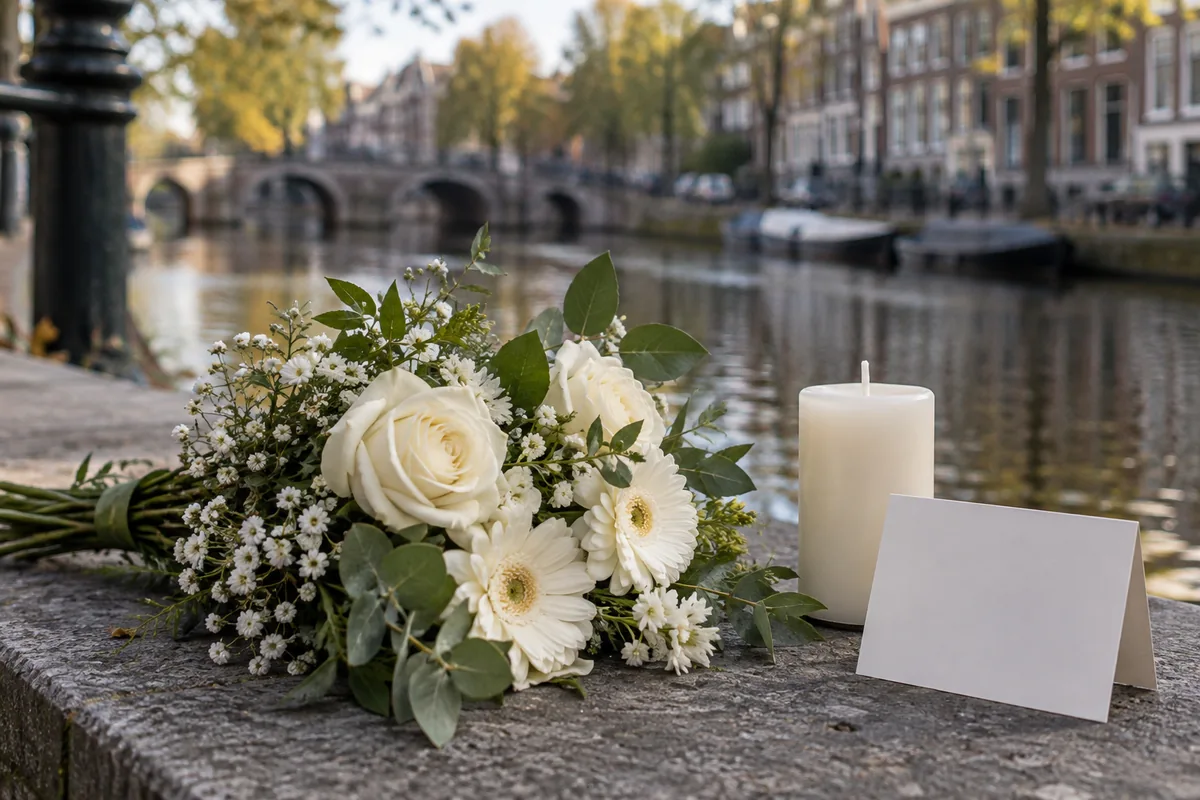
Funeral Flowers: It’s common to send flowers to the funeral as a way to show sympathy and respect for the deceased. The flowers are displayed during the ceremony and may be placed on the grave or cremation site afterwards.
Mourning Period: The immediate family may observe a period of mourning after the loss. This is a time for them to grieve privately and reflect on their loss. The length of this period can vary for each family.
Thank You Cards: After the funeral, the family may send thank-you cards to those who offered condolences, attended the funeral, or sent flowers. These cards express gratitude for the support they received during their time of grief.
It’s important to remember that customs may vary based on personal beliefs, culture, and religion. These are general customs observed in the Netherlands when someone passes away, but individual families may have their own unique traditions and rituals.
Medeleven
- Veel sterkte
- gecondoleerd
In Dutch: “gecondoleerd”
Pass exam
The Dutch expression is “slagen voor het examen”:
When someone passes an exam in the Netherlands, there are common ways to celebrate:
Congratulations: Friends and family congratulate the person on their success with kind words and messages.
Treats: The person who passed the exam often treats their loved ones to something special, like coffee and cake or a celebration at a restaurant or home.
Displaying Flags: Sometimes, for important exams like high school or university graduations, you may see the Dutch flag and a schoolbag displayed outside the person’s home as a sign of celebration.
Gifts: Family and close friends may give the person gifts to honor their achievement. These gifts can have special meaning or be related to their interests.
Social Media Announcements: Many people share their exam success on social media, expressing happiness and gratitude for the support they received during their studies.
These customs can vary depending on the person and the exam’s importance. Some celebrations may be more private, while others involve larger gatherings or parties. The main idea is to recognize the person’s accomplishment and offer support for their future endeavors.
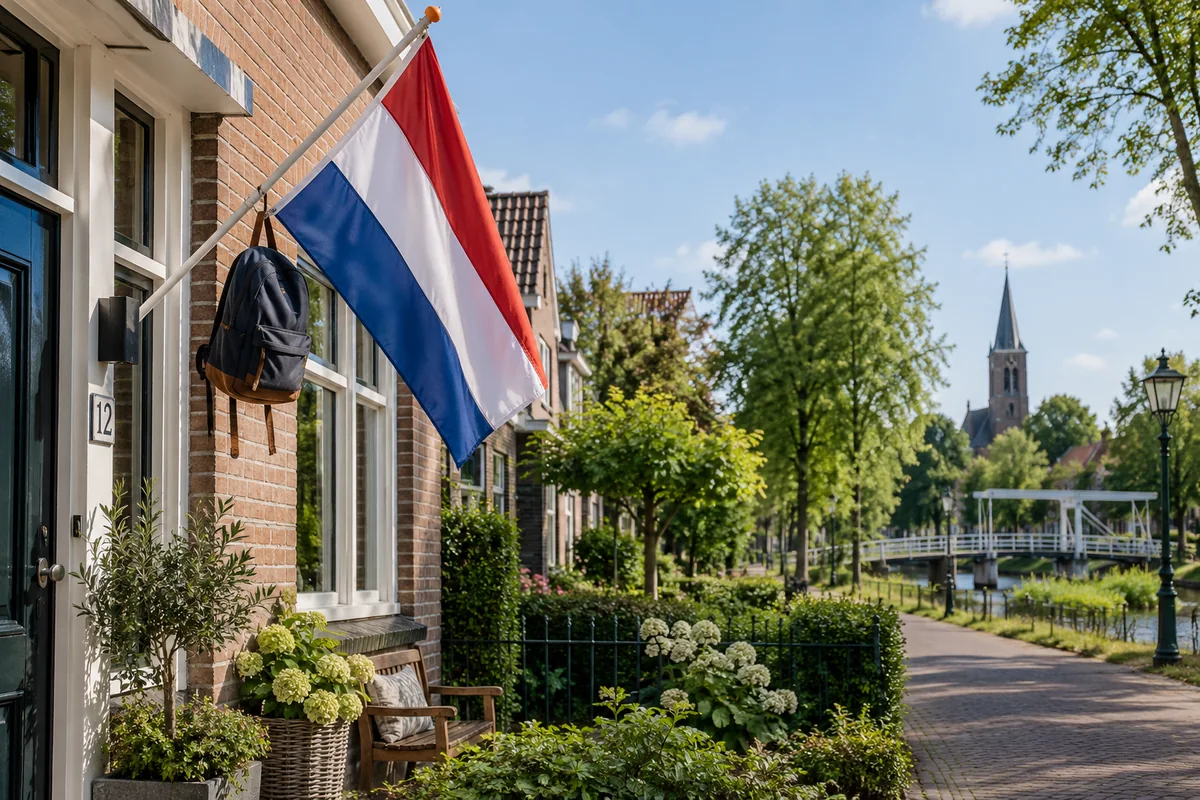
Geslaagd
- geslaagd!
Congratulations… you passed the exam
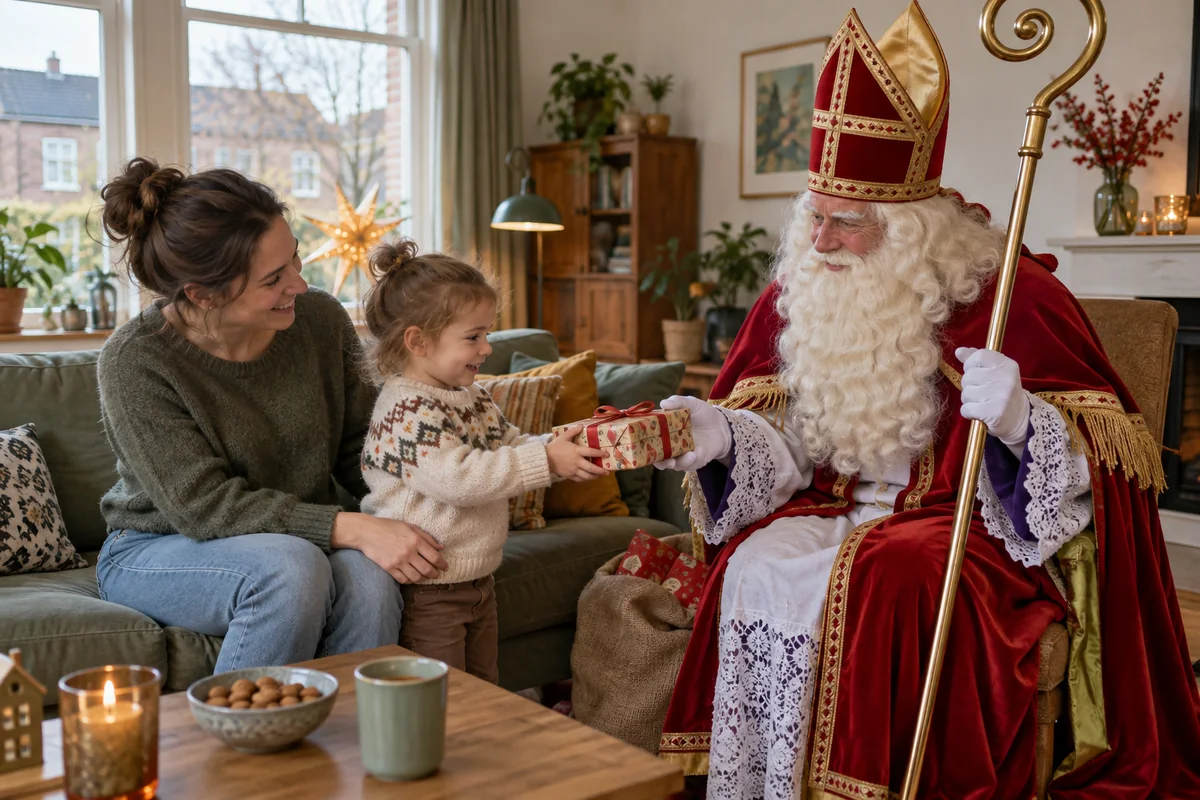
Foto Ben Kerckx Pixabay
Sinterklaas
Many families celebrate Sinterklaas with presents, songs and sweets around 5 December. Children may put out a shoe. The story says that Sinterklaas arrives from Spain by boat and rides a horse. Chocolate letters and spiced biscuits are familiar treats.
His helpers are called Pieten. Blackface portrayals of Zwarte Piet have been criticised as racist. Many celebrations now use helpers with soot marks. Customs change and people have different opinions. Respectful discussion is possible without insulting or discriminating against others.
Listen to the Dutch name:
Everyday situations
What to do?
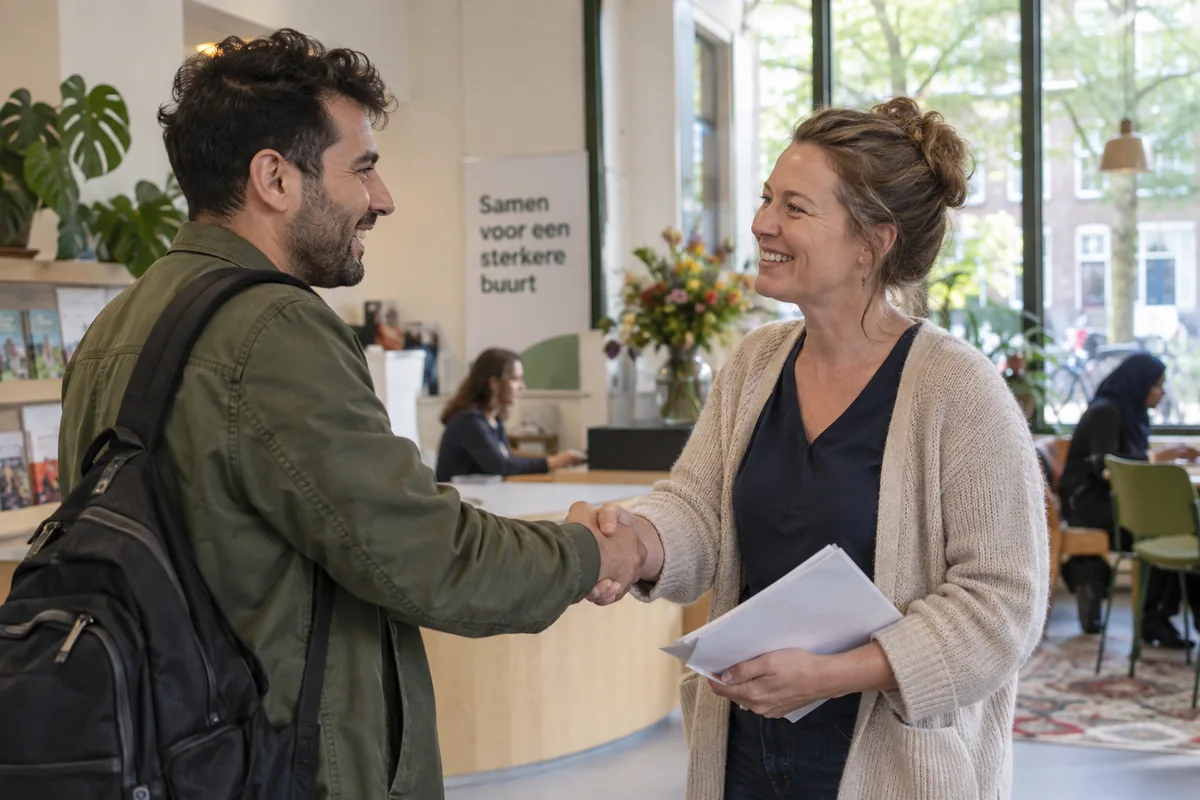
Congratulations or condolences
In the Netherlands, there are certain customs and etiquettes surrounding the giving of congratulations or condolences. Here is some more information:
In the Netherlands, there are certain customs and gestures to congratulate or offer condolences to someone. Here are some common practices:
To Congratulate:
Verbal congratulations: Simply expressing your congratulations and well wishes to the person is appreciated. You can say “Gefeliciteerd!” (Congratulations!) and offer a warm message of support and happiness for their achievement or milestone.
To Offer Condolences
Verbal condolences: When offering condolences, you can say “Gecondoleerd” (Condolences) and express your sympathy and support for the grieving person. You can also offer comforting words or simply let them know that you are there for them.
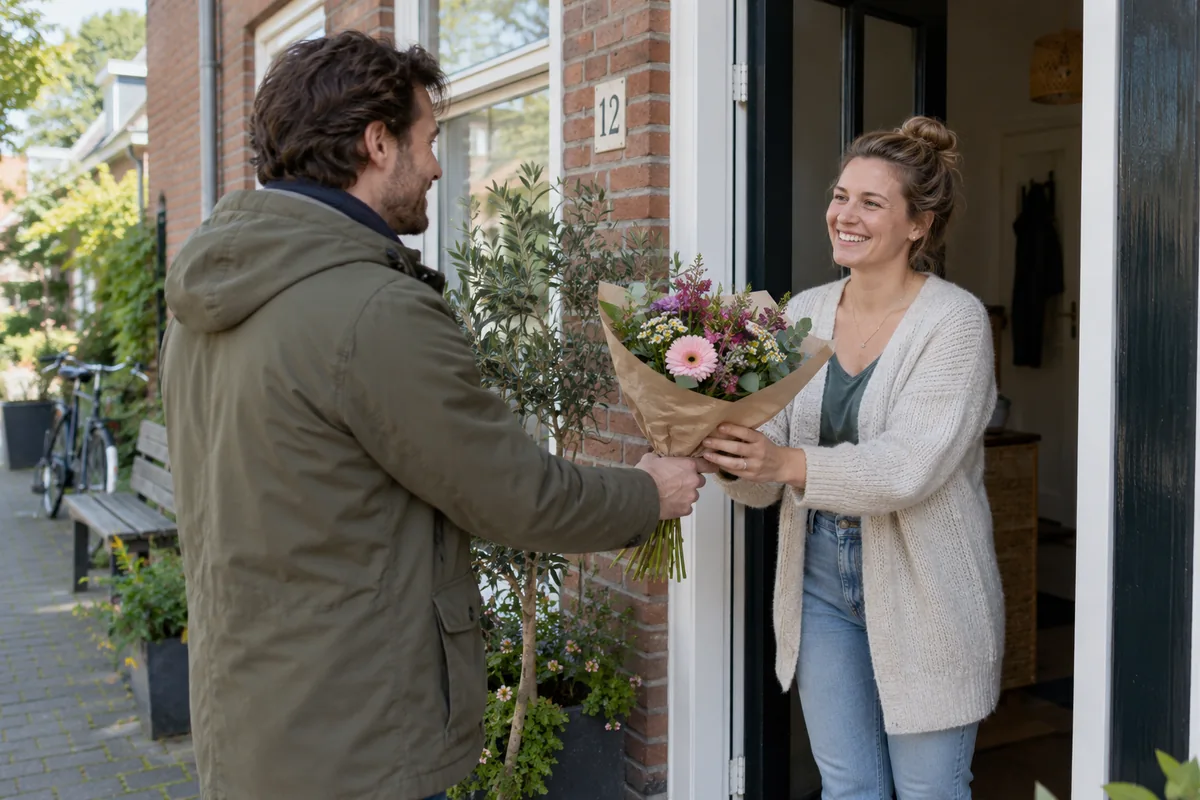
Gifts
Offering a small gift to congratulate someone is a thoughtful gesture. It could be a bouquet of flowers, a bottle of wine, or a personalized gift that reflects their accomplishment or interests.
Cards
Sending a congratulatory card is a popular way to express your congratulations. You can find cards specifically designed for various occasions, and you can write a personal message inside to convey your heartfelt wishes.
Sympathy cards
Sending a sympathy card is a common way to express condolences. You can find cards specifically meant for offering sympathy and write a heartfelt message inside to show your support and empathy.

Flowers
Sending a bouquet of flowers, especially white or soft-colored blooms, is a traditional way to express condolences in the Netherlands. It represents your sympathy and offers comfort to the grieving family.
Attending the funeral or memorial service: If appropriate and if you have a close relationship with the grieving person or their family, attending the funeral or memorial service is a meaningful way to offer your condolences in person. Your presence and support can provide comfort during their difficult time.
It’s important to consider the cultural and individual preferences of the person you are congratulating or offering condolences to. These gestures show your care and support during both joyful and challenging moments in their lives.

Feliciteren
- Van harte gefeliciteerd!
Send someone a card
In the Netherlands it is customary to send someone a card on various occasions, such as:
Birthdays: It is customary to send a birthday card to friends, relatives or acquaintances to congratulate them on their birthday.
Holidays: During holidays such as Christmas, Easter and Sinterklaas, people often send cards to their loved ones to convey their good wishes.
On special events: When a special event takes place, such as a wedding, birth or graduation, it is customary to send a card to convey your congratulations.
In case of illness or condolence: When someone is ill or has passed away, sending a card can be seen as a sign of sympathy.

Greetings and personal boundaries
The Dutch word for kissing is kussen. Some friends or relatives greet each other with cheek kisses, sometimes three. Others prefer a handshake, wave or spoken greeting.
You do not have to kiss or shake hands. Pay attention to the other person's wishes and respect their choice. If you are unsure, a friendly hello is enough.
Visits and gifts
The Dutch word for a visit is bezoek. Check whether a visit is convenient. A small gift or flowers may be welcome, but a gift is not compulsory. Think about the person's preferences, beliefs or allergies. Gift-giving customs differ, including whether money or a gift card is appropriate.
Appointments
The Dutch word is afspraak. Write down the date, time and place. Arrive on time. If you will be late or cannot attend, contact the organisation as soon as possible. Check its cancellation rules; consequences vary.
Listen to both Dutch words:

Formal contact
When you visit a doctor, municipality or employer, check what you need to bring and allow enough travel time. Ask how to cancel or change an appointment.
Medical information is private. Ask your healthcare provider if you have questions about who can see your information.
If you do not understand something, ask for a slower explanation or clarification. For example: Kunt u dat uitleggen? means “Can you explain that?”
Listen to op tijd zijn — being on time:
Speaking politely
U is a formal way to say “you”; je or jij is informal. In a formal situation you can start with u and ask what the other person prefers.
People sometimes speak directly. You may ask what they mean or say politely that you disagree. Direct language does not excuse insults or discrimination.
Helping each other
You can meet people through neighbours, clubs or voluntary work. Ask before offering help, and respect a person's answer. Share care and household tasks by agreement, rather than assuming they belong to women or men.
Practice test
You have reached the end of this chapter. Next: Housing.
Choose another category