
A first introduction
ABOUT THE NETHERLANDS
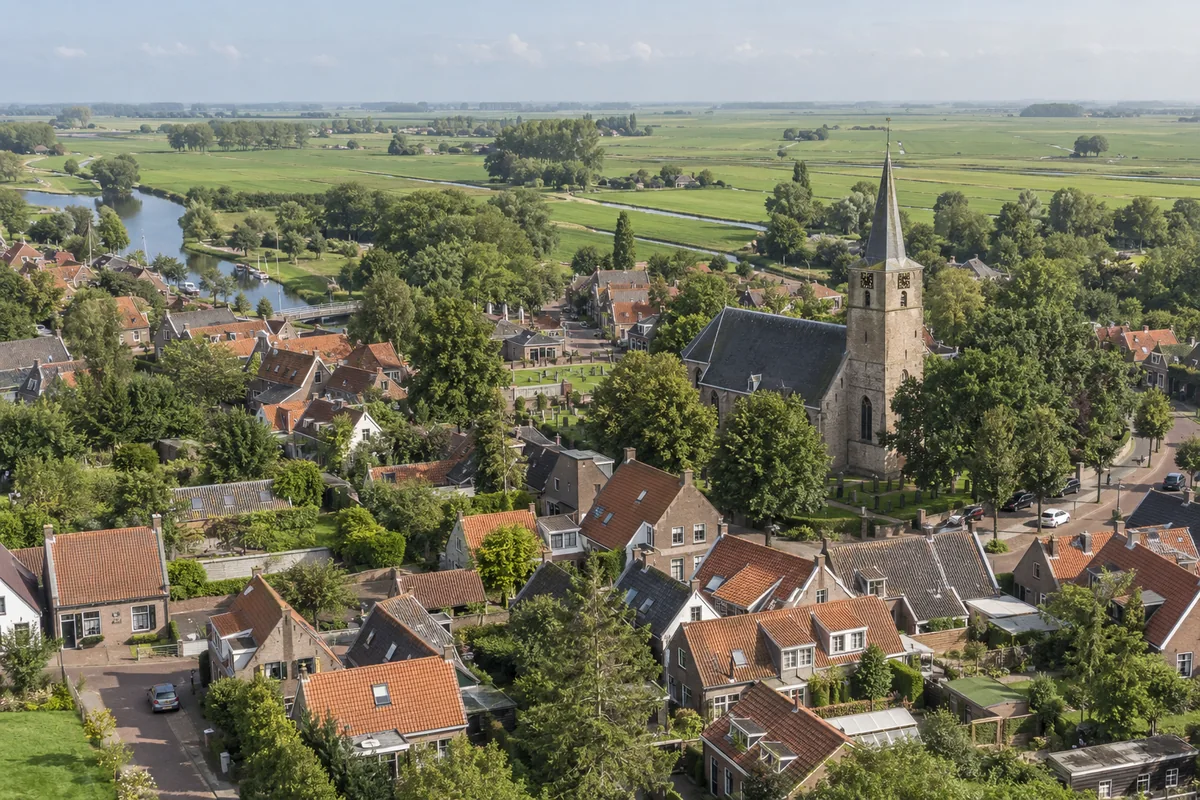
A Dutch village
1.The Netherlands in Dutch is “Nederland“.
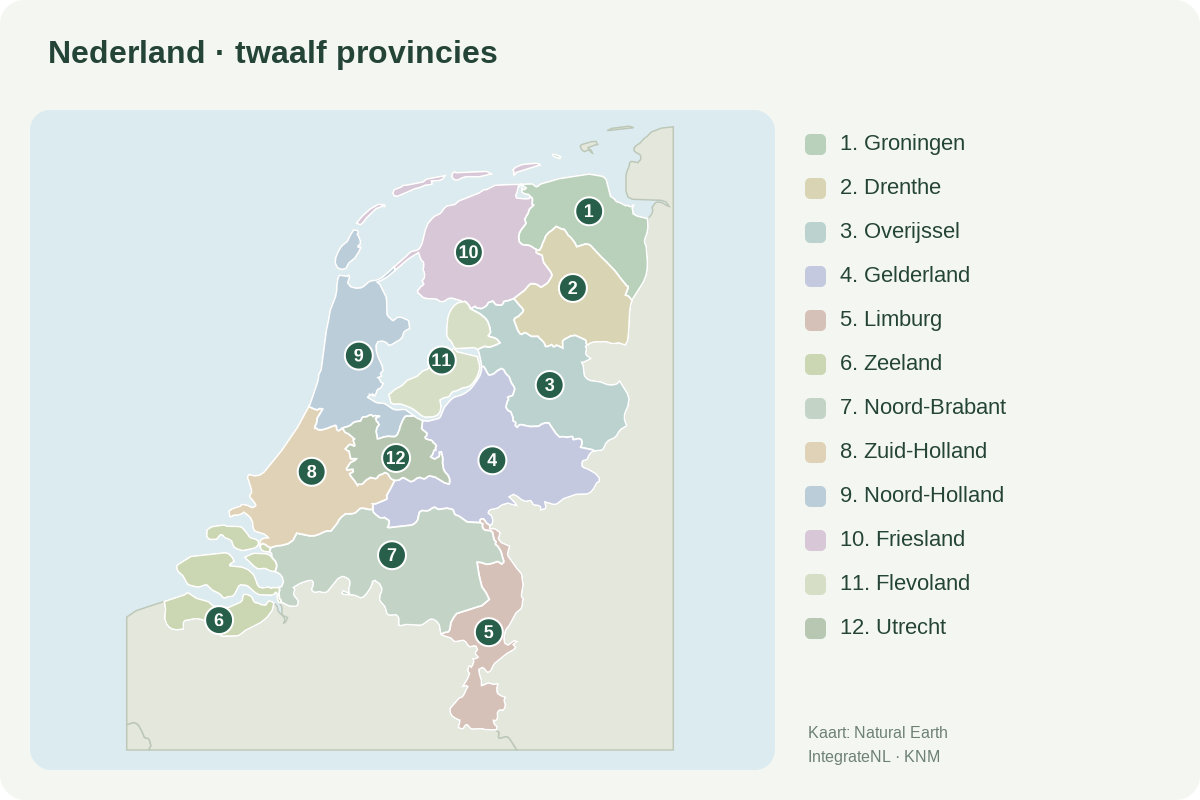
2. The Netherlands is divided into 12 areas. We speak of provinces. The Dutch name for provinces is: “provincies“.
3. Here you can see a map of the Netherlands. The name of the sea is: “Noordzee”.
4. Amsterdam is the capital of the Netherlands.
5. Rotterdam has a big port.
6. Major cities have a town hall. Smaller villages share a town hall. We call the town hall “gemeentehuis“.
7. For important documents, like a passport, you have to go to the town hall. Documents in Dutch is: “documenten“.
8. You speak to someone at a counter. A counter in Dutch is: “loket“.
The Netherlands on the map
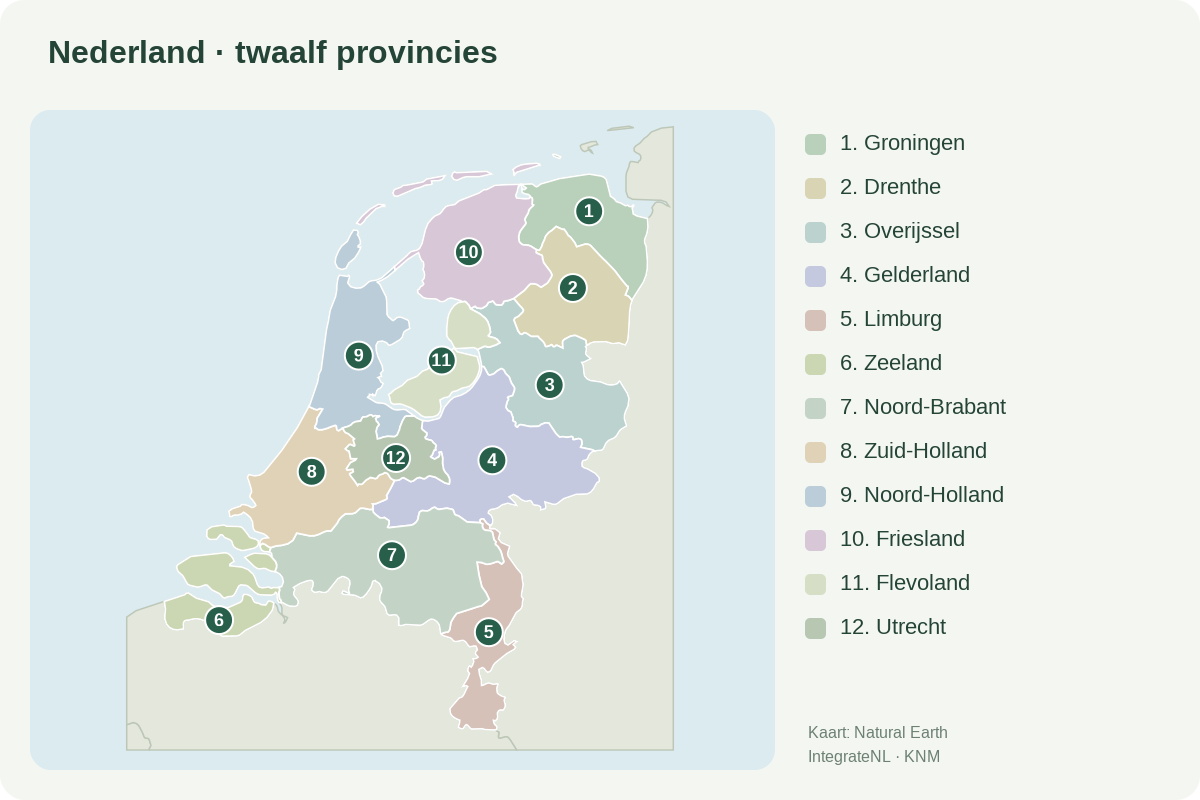
12 provinces = region with own government and capital
The Netherlands on the map
The European part of the Netherlands is a small country on the North Sea. Germany is to the east and Belgium is to the south. It has twelve provinces, each with its own government and capital.
Learn the provinces and where they are on the map. Also find your own town and province. Amsterdam, Rotterdam, The Hague and Utrecht are major cities in the Randstad, an urban region in the west.
Can you indicate on the map in which province you are now?
The names of the provinces are: Groningen, Friesland, Drenthe, Overijssel, Gelderland, Utrecht, Flevoland, Noord-Holland, Zuid-Holland, Noord-Brabant, Zeeland, Limburg
12 provinces = region with own government and capital
As you can see, the Netherlands is located on the North Sea and has two neighboring countries, namely Germany in the east and Belgium in the south.
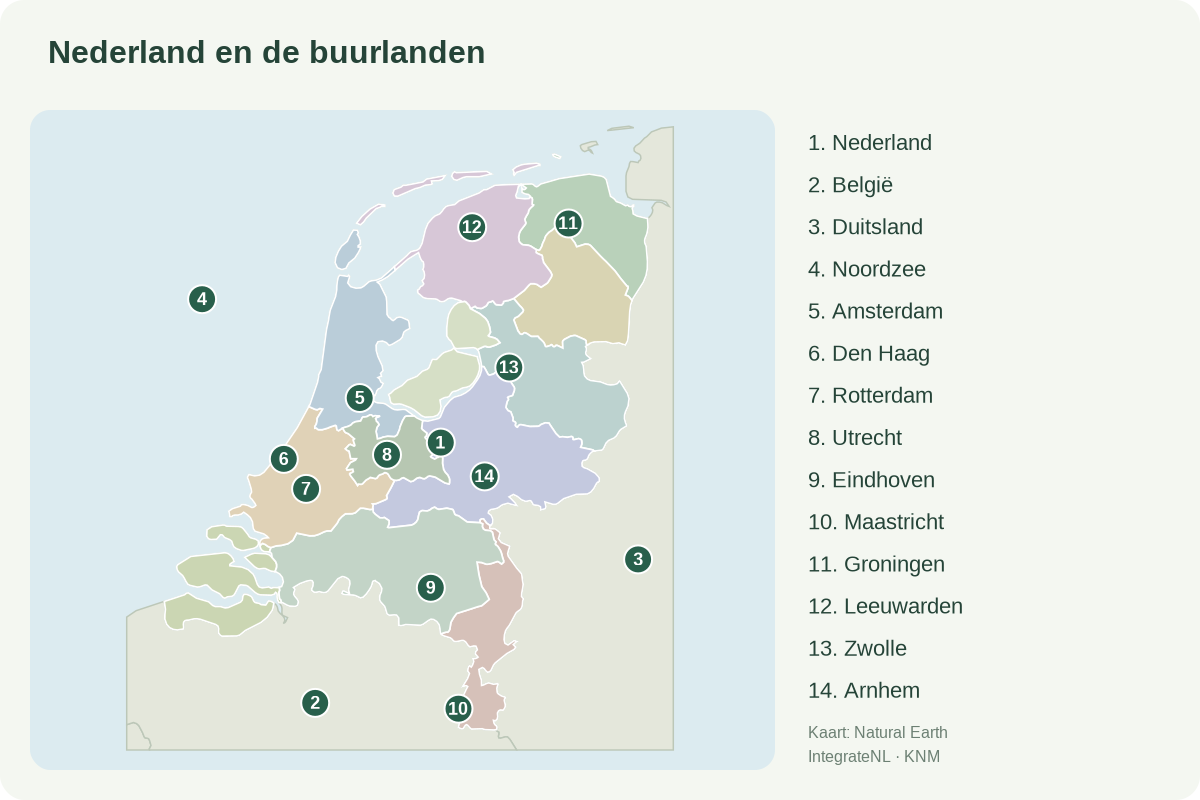
Your own region
Find your town on the map. Look at nearby towns and the routes between them. Where can you find housing, jobs and education? Your municipality and local information services can help you find reliable information.
Big cities and the Randstad
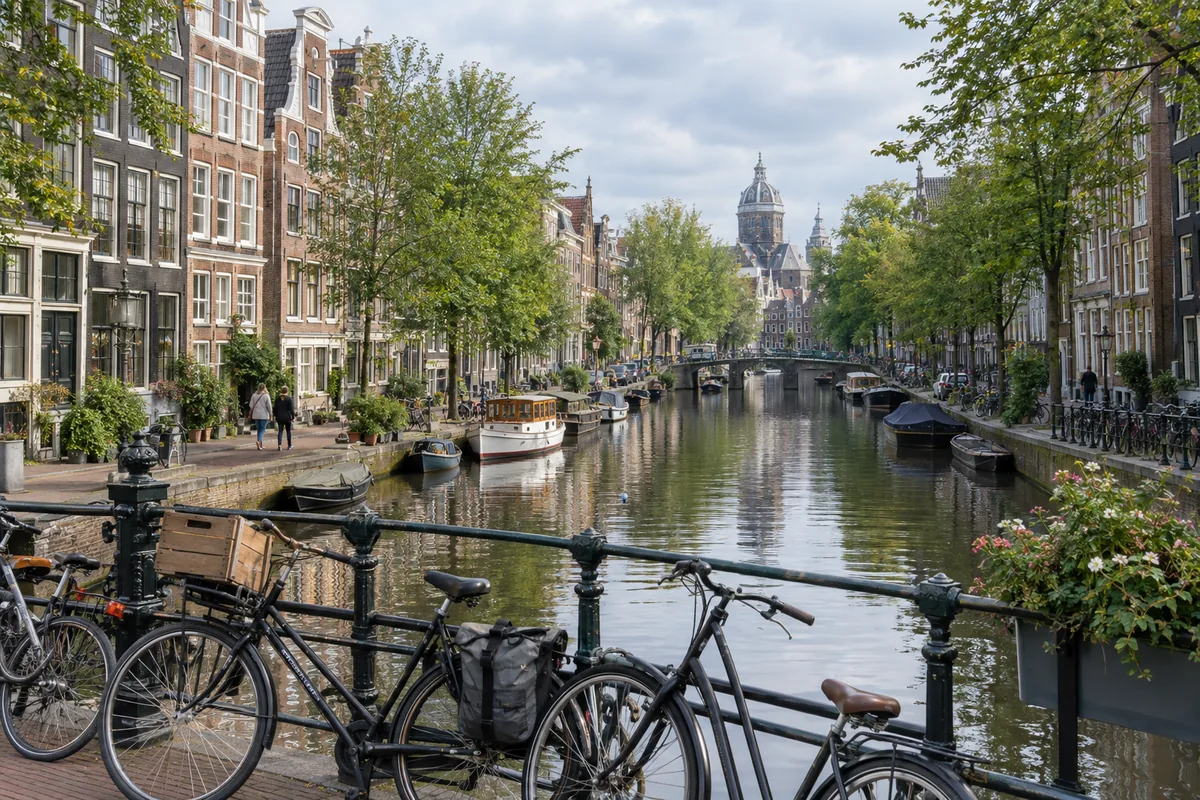
Amsterdam, canal — AI-generated illustration.
Big cities and the Randstad
Amsterdam is the capital of the Netherlands. The big airport Schiphol is situated near Amsterdam.
Amsterdam is a very beautiful city, known for its canals with beautiful houses. It is the capital of the Netherlands. Famous places in Amsterdam are:
- The “Dam” = large square with the royal palace
- Rijksmuseum, famous museum with paintings of famous Dutch painters for instance Rembrandt.
- The canals: They are unique.
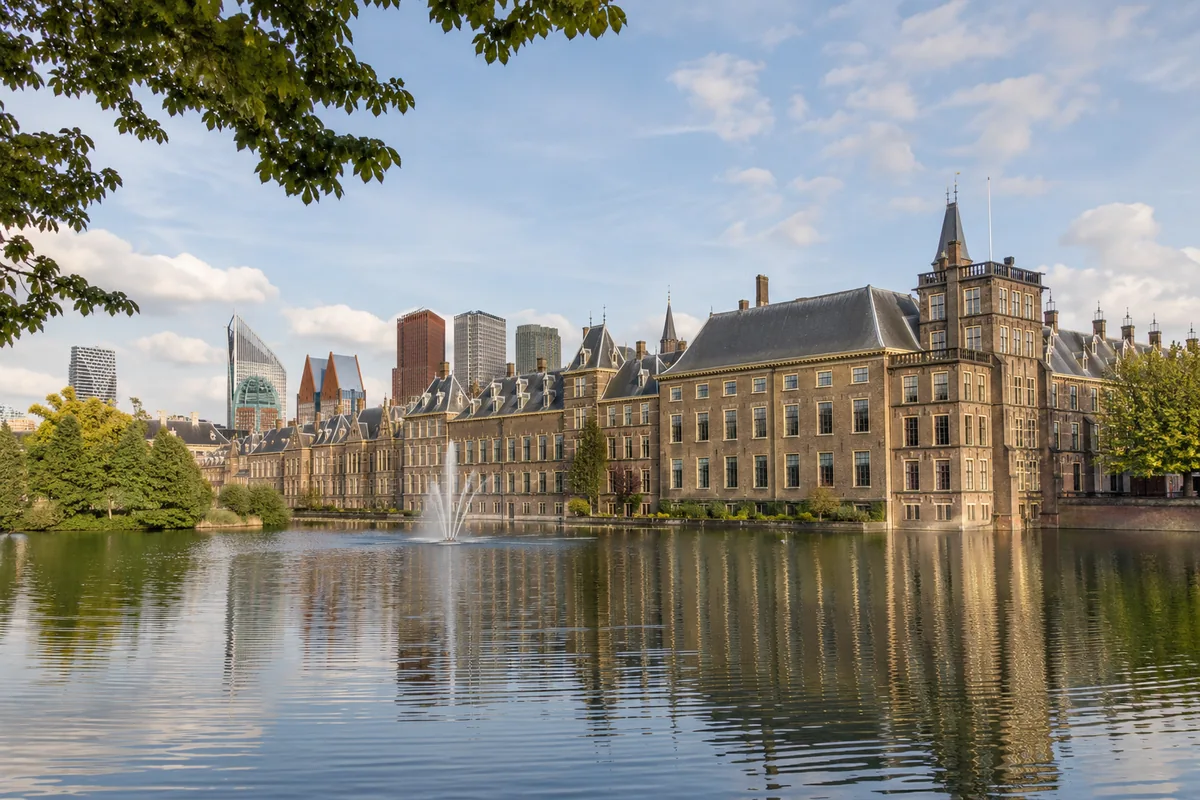
Te Hague — AI-generated illustration.
The Hague
The national government and parliament are based in The Hague. Parliament discusses laws and checks the government. The Netherlands is a parliamentary democracy and a constitutional monarchy. Ministers are responsible for government policy; the King is the head of state.
Listen to the Dutch name for The Hague:
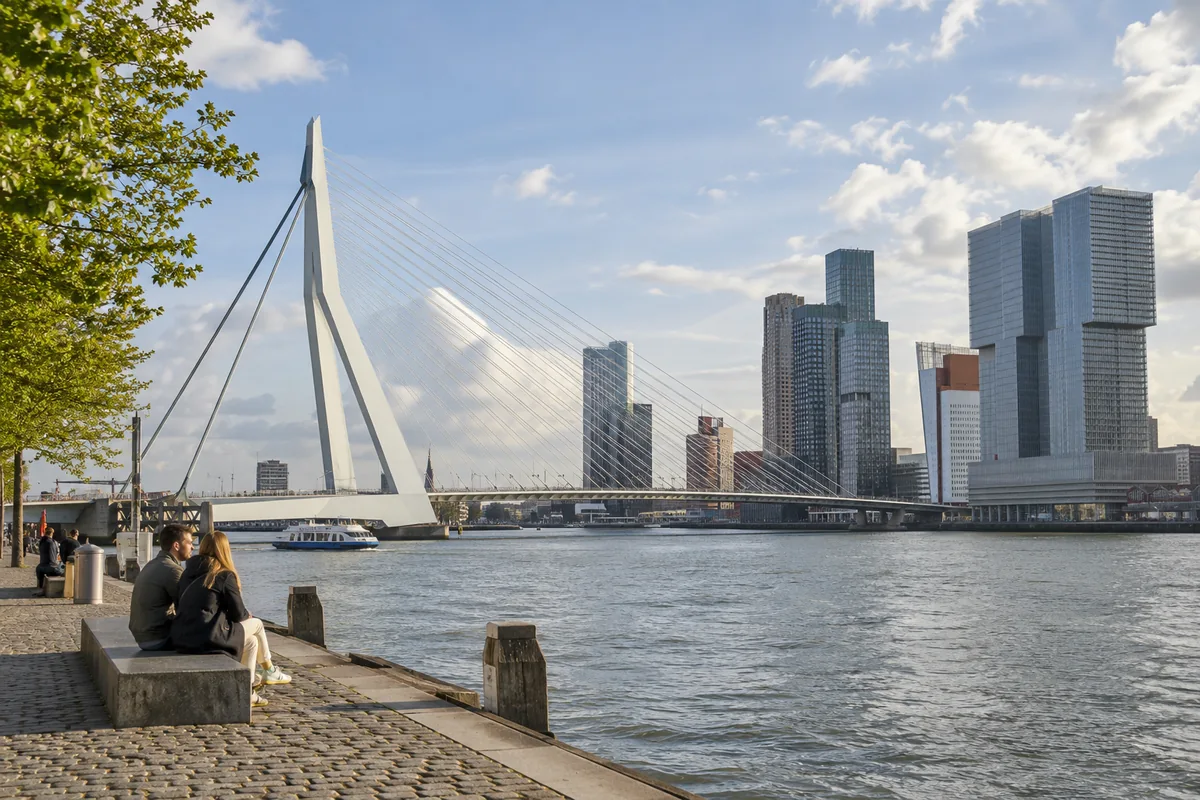
Skyline Rotterdam — AI-generated illustration.
Rotterdam
Rotterdam has a major international port. Much of its city centre was destroyed by bombing in 1940 during the Second World War. After the war it was rebuilt. This helps explain its modern buildings.
Like other cities, Rotterdam is home to people with many different backgrounds. Listen to its name:
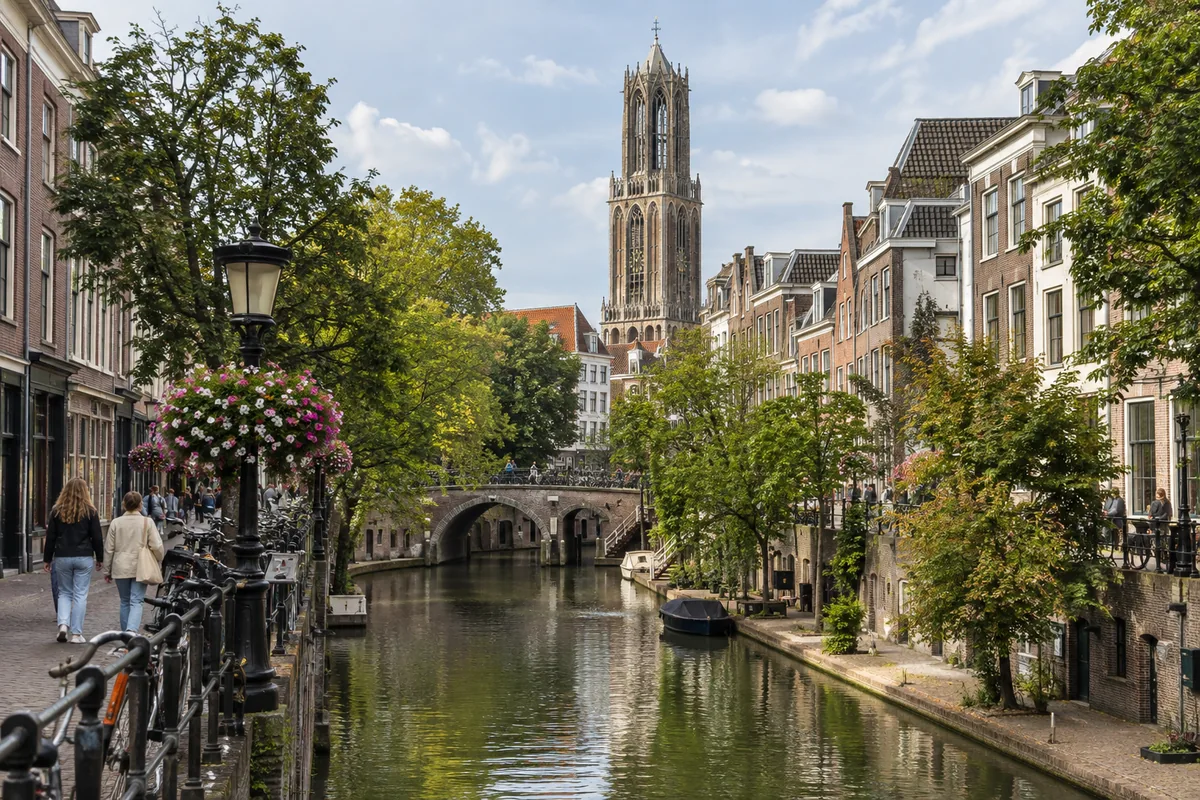
Utrecht , Domtoren — AI-generated illustration.
Utrecht
Utrecht is an old city in the centre of the Netherlands. It is known for its canals and the medieval Dom Tower. It is also an important railway junction. Listen to its name:
Water, water, water
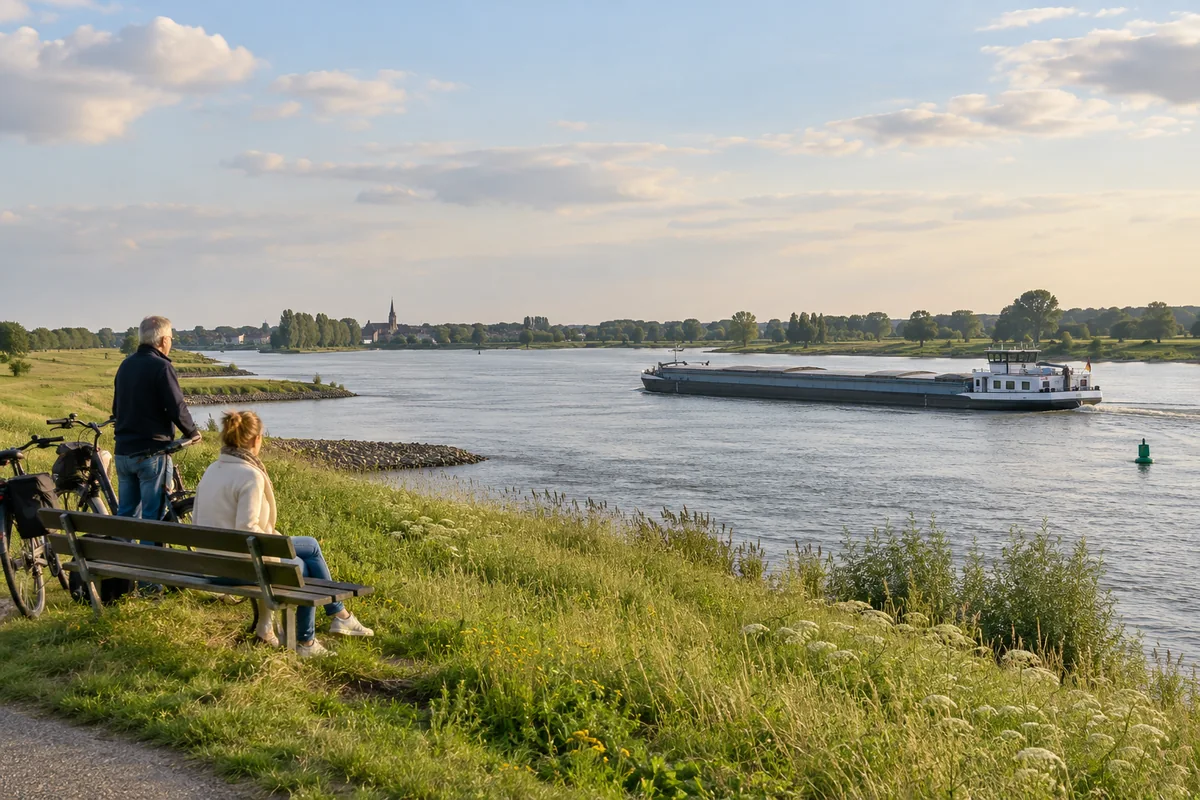
River Maas — AI-generated illustration.
Water, dikes and polders
Water has shaped the Netherlands. Dikes help protect land from flooding. A polder is an area where the water level is controlled, often using pumps. Some polders were made by draining lakes or parts of the sea.
The Afsluitdijk separates the IJsselmeer from the Wadden Sea. Rivers such as the Rijn, Waal, Maas and IJssel are important for transport and water management.
A low-lying country
Much of the European Netherlands is flat and low-lying. There are also hills, especially in South Limburg. Dikes, dunes and flood barriers help protect people and homes.
The 1953 North Sea flood caused great loss of life in the southwest. The Delta Works were built to improve flood protection. Water safety remains important. Swimming lessons help children learn to be safer around water.
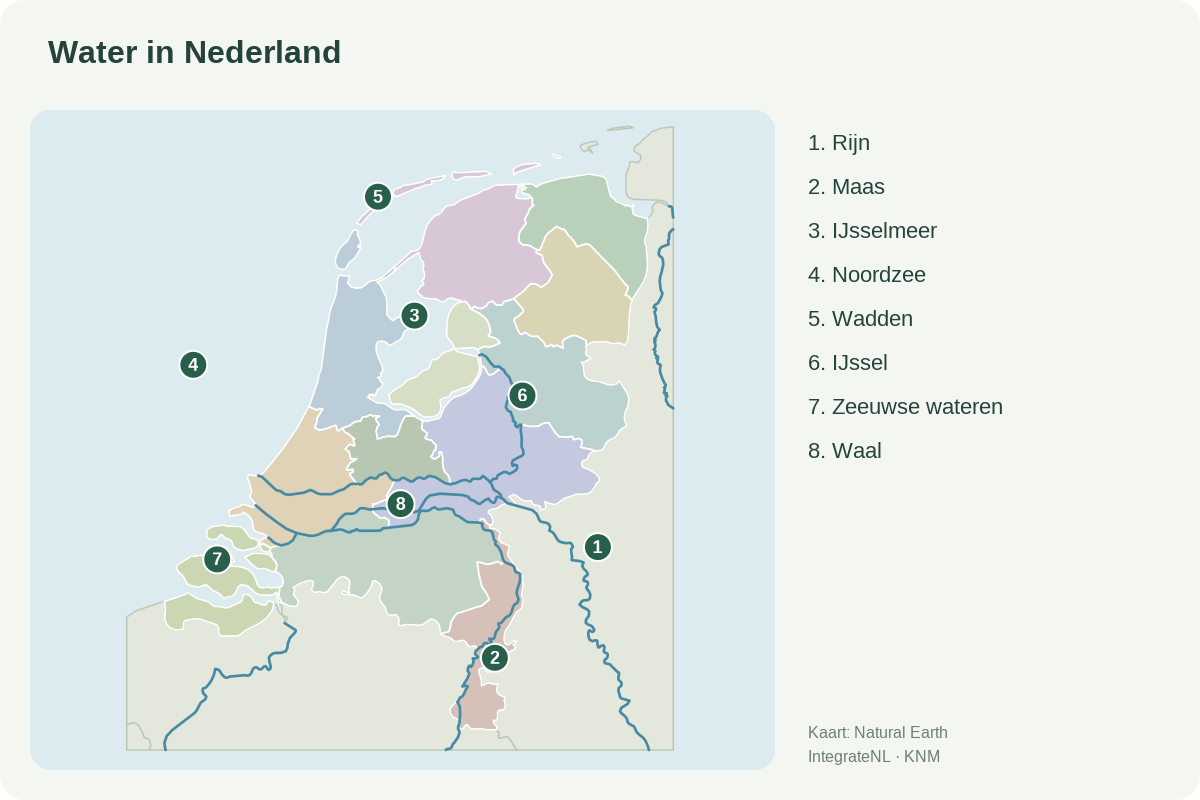
Map redrawn using Natural Earth geographic data.
1 Rijn
2 Maas
3 IJsselmeer
4 Noordzee
5 Wadden
6 IJssel
7 Zeeuwse wateren
8 Waal
Cold in winter and sometimes hot in summer
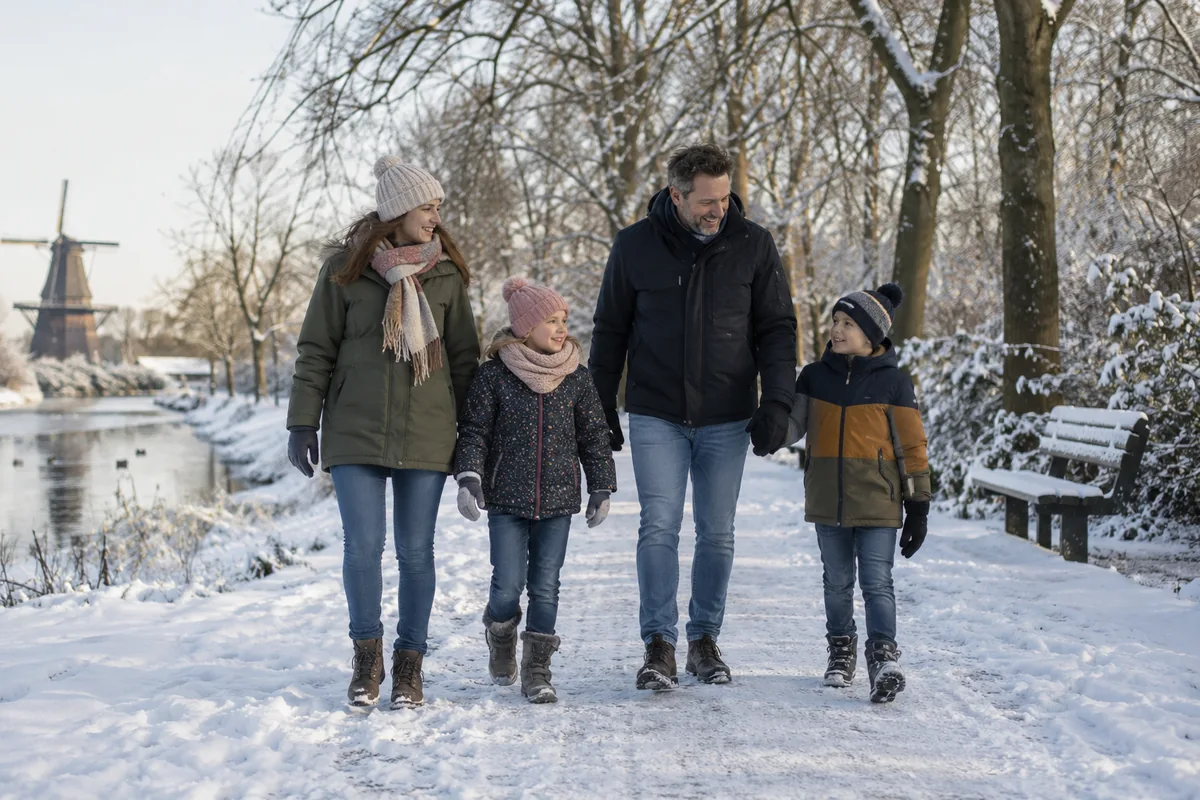
De seizoenen
- winter
- lente
- zomer
- herfst
Four seasons
Dutch weather can change quickly. Rain can fall in any season.
Winter: usually cold; there may be frost or snow. Ice on lakes and canals is not always safe.
Spring: days get longer and new leaves appear.
Summer: usually the warmest season; some days are very hot, but not every day.
Autumn: days become shorter, leaves fall and it is often wet or windy.
Listen to the four Dutch season names in the same order:
Who lives in the Netherlands?
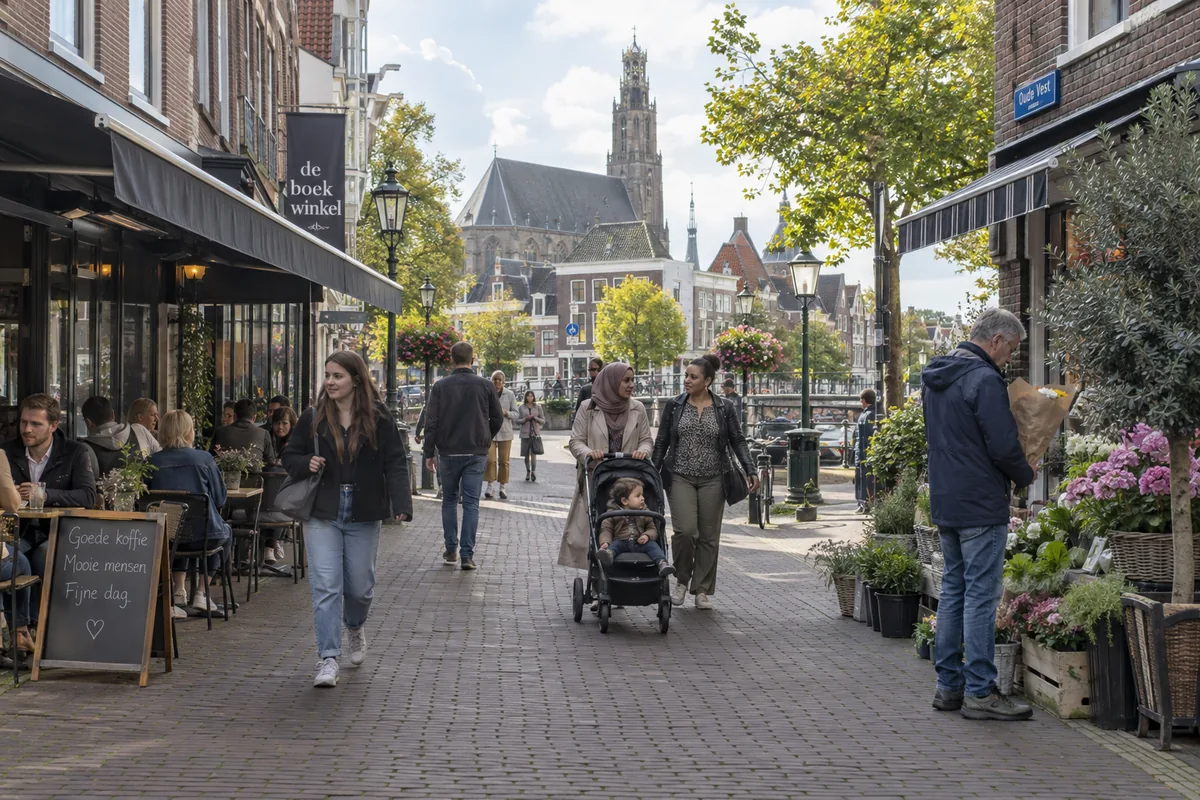
People with many backgrounds
People in the Netherlands have different family histories, beliefs and ways of life. Some families have lived here for generations; others moved here recently. People move for work, study, family or safety.
The country has historical connections with former colonies, including Suriname and Indonesia. Workers also came from countries such as Turkey and Morocco, particularly from the 1960s onwards.
Listen to this explanation in Dutch:
A changing population
The Netherlands passed 18 million inhabitants in 2024. It is densely populated, especially in cities. Population figures change, so use CBS for current numbers.
People also come from other European countries, including Poland and Romania. Refugees seek safety. Someone with an asylum residence permit is often called a statushouder. Not everyone who moves here is a refugee.
The Dutch word for refugee is vluchteling:
History is part of daily life
Dutch colonial history includes slavery: people were enslaved, traded and forced to work in colonies. This history affected communities in the Netherlands and beyond. The history chapter will explore it further.
The Netherlands is a democracy

King Willem-Alexander and Queen Maxima
Democracy and the royal family
The Netherlands is a constitutional monarchy. King Willem-Alexander is the head of state. Ministers, not the King, are responsible for government policy. Queen Máxima has a representative role.
Parliament has two chambers: the House of Representatives (Tweede Kamer) and the Senate (Eerste Kamer). Eligible Dutch citizens aged 18 and over vote for the House of Representatives. Elections normally take place every four years, but can happen earlier.
Government and parliament are based in The Hague. Courts are independent. Everyone, including the government, must follow the law.
Listen to the royal names and the Dutch name for the House of Representatives:
Equal rights and personal choices
Women and men have equal rights. Women have the right to make their own decisions about their lives. People may have different opinions and beliefs. Discrimination is prohibited. These rights and the role of independent courts are explored further in the democracy chapter.
Religions
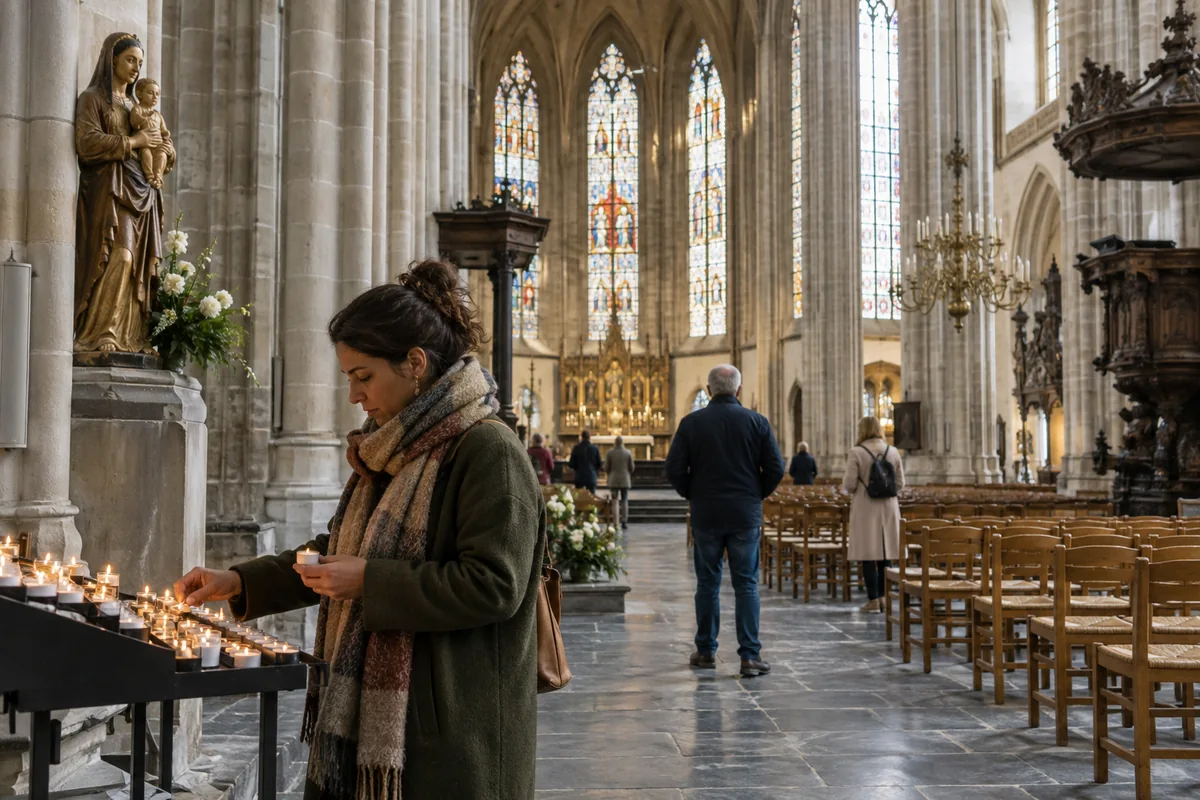
Sint-Janskathedraal in Den Bosch
Freedom of religion
People in the Netherlands may follow a religion or have no religion. Christianity, Islam, Judaism, Hinduism and other religions are practised here. Many people do not belong to a religious group.
You may choose your own belief, change it or have none. The state does not impose a religion. The law applies to everyone, whatever their beliefs. Discrimination is prohibited.
Catholics and Protestants are Christian groups. Listen to these Dutch words and the word for Muslims:
The language
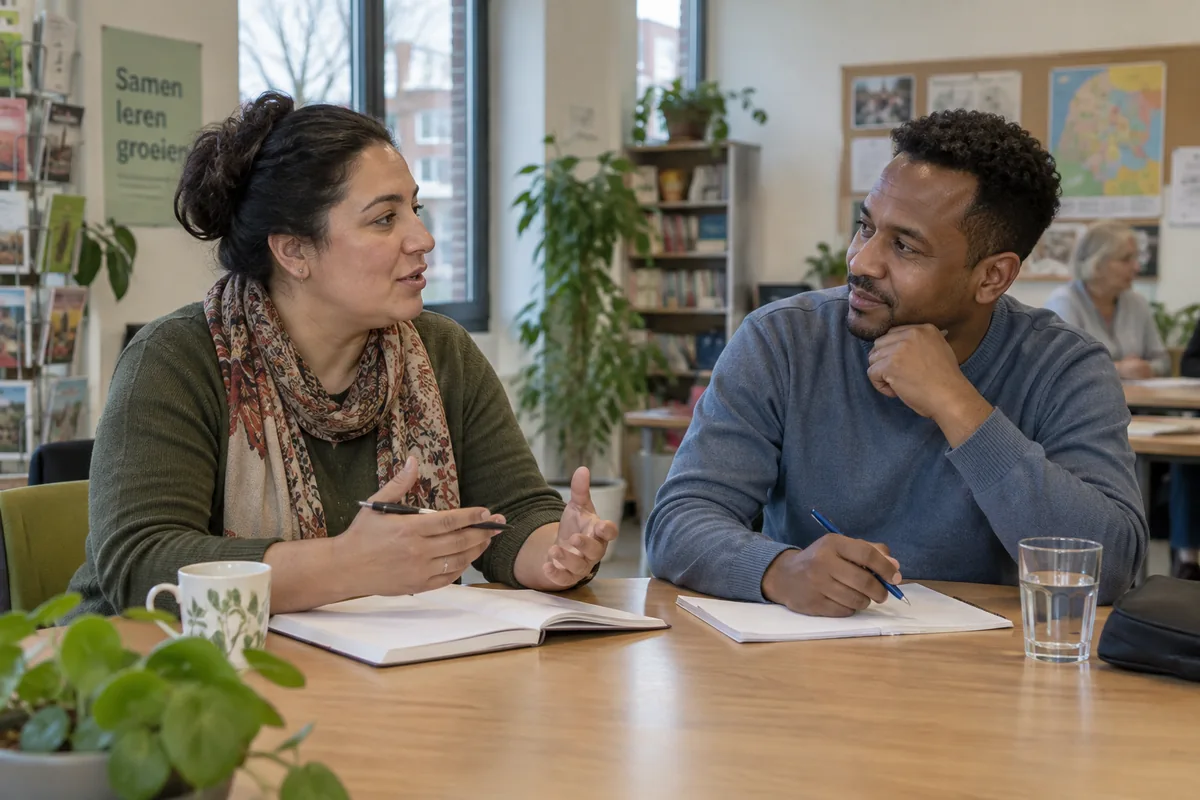
Learning Dutch
Dutch is the main language of the Netherlands. Frisian is also an official language in Fryslân (Friesland). There are regional languages and dialects too.
Learning Dutch helps with conversations, work, education and contact with organisations.
- A1: understand and use very simple words and sentences.
- A2: communicate about familiar everyday situations.
- B1: understand the main points of clear language and talk about familiar topics.
The KNM exam uses A2-level Dutch. The language exams required for your own integration programme may be different. Check your personal requirements with DUO.
The Dutch word for the language is Nederlands:
The Netherlands and Europe
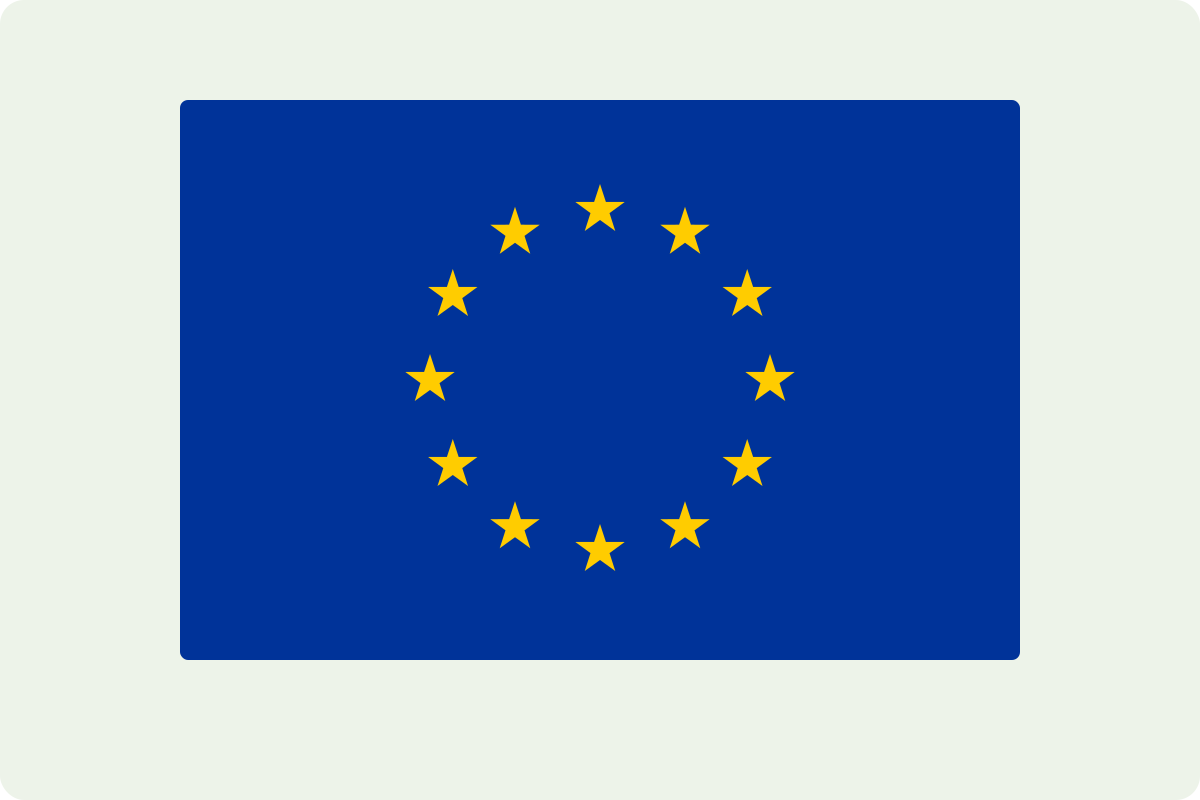
European flag
The Netherlands and Europe
The Netherlands is a member of the European Union. The European Union is a partnership between countries in Europe. In the Netherlands people pay with the euro. Most countries of the European Union pay with the euro.
The Dutch words voor European Union and euro are:
“Europese Unie”
“euro”
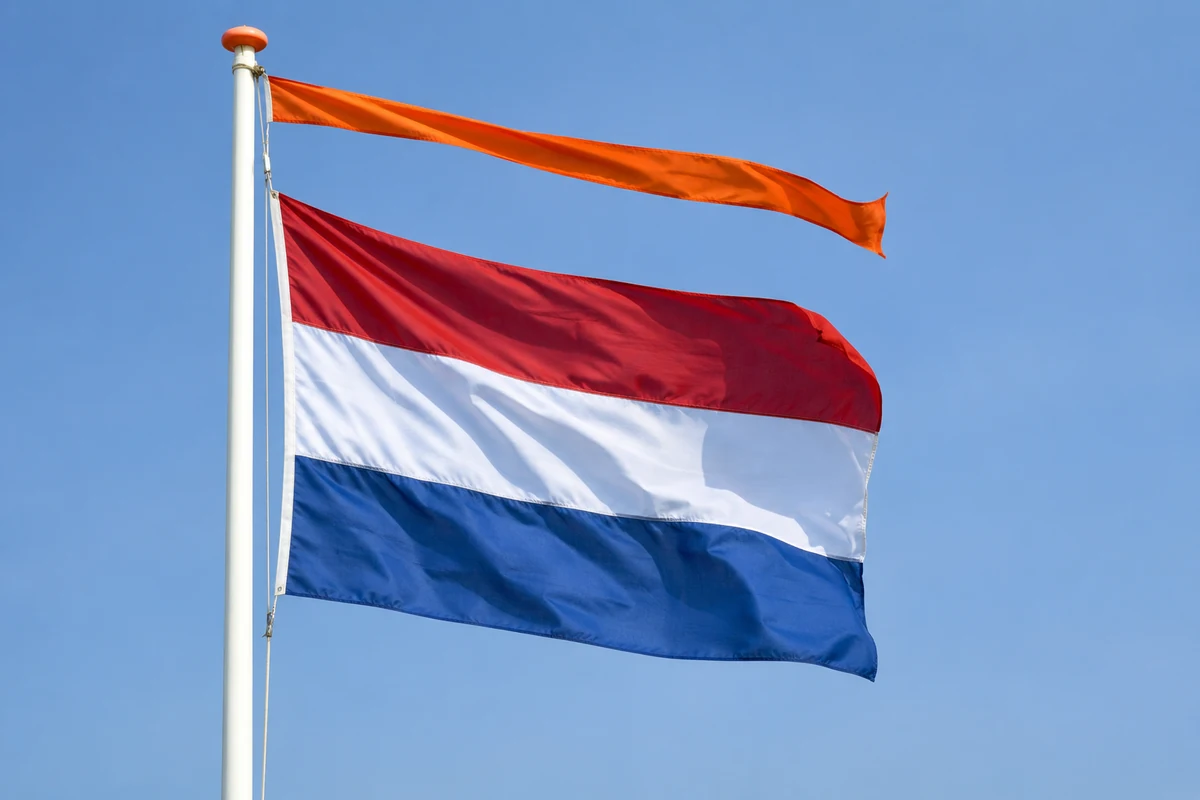
The flag of the Netherlands consists of 3 bars. The top one is red. The middle one is white and the bottom one is blue. That is why we speak of red-white-blue flags. If there is a holiday that is linked to a birthday of someone from the royal family, we see another orange pennant (small flag, see photo).
The Dutch flag is named: ” De Nederlandse vlag”
Remembering war and freedom
Nazi Germany occupied the Netherlands during the Second World War. During the Holocaust, the Nazis and their collaborators murdered six million Jews, including many Dutch Jews. The Netherlands was liberated in 1945. On 4 May, people remember victims of war. On 5 May, they celebrate freedom.
After the war, the Netherlands developed international cooperation through organisations such as the EU, NATO and the United Nations. The Dutch national anthem is the Wilhelmus.
Just an impression of the Netherlands
Test 1
Next: Customs and everyday life.
Choose another category