
Learning in the Netherlands
EDUCATION
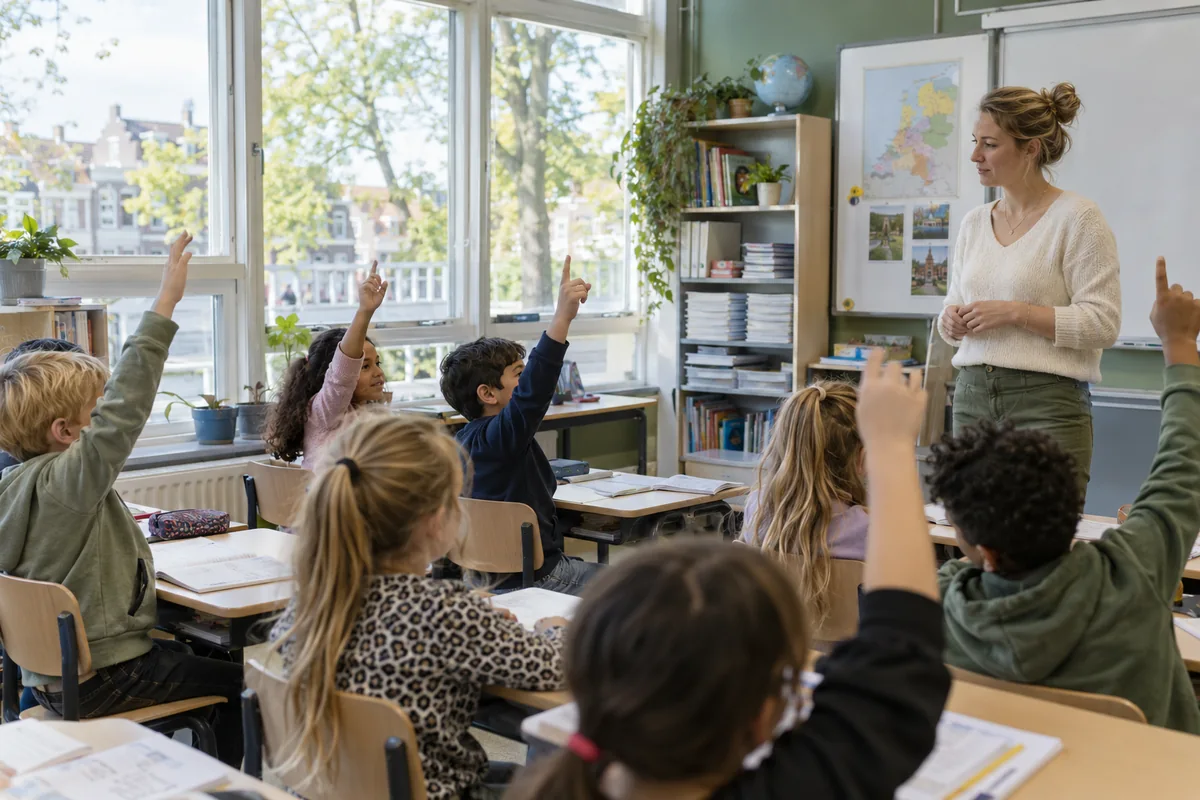
Why education matters
Education helps children develop their abilities, participate in society and prepare for work or further study. Families with different backgrounds can take part in Dutch education. Ask the school or municipality about newcomer education and language support.
Parents and schools work together. Read school messages, attend meetings and tell the teacher about difficulties early. RefugeeHelp also provides practical information for newcomers.
A first introduction
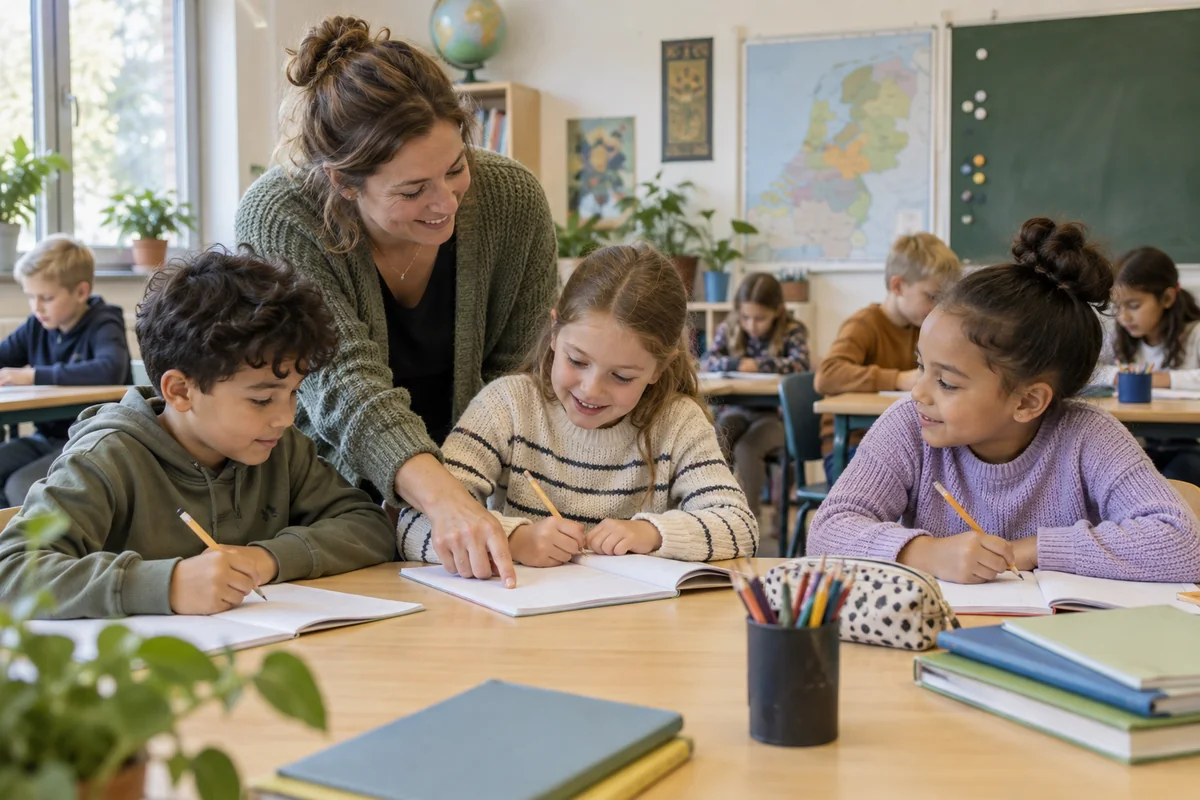
A first introduction
Most children start primary school at four. Compulsory schooling starts at five. Primary school has eight groups; children usually move to secondary school around age twelve. The exact route depends on the child.
There are public schools and schools based on a religion, philosophy or educational approach. Special education and extra support are available for children who need them. These are not simply three separate choices for every child.
Children learn language, mathematics and other subjects. A schoolrapport describes progress. At a parent meeting, discuss learning, wellbeing and support. In group 8, the school gives advice for secondary education. The written lessons explain the current rules; the original introductory video may use older terminology.
Schools and learning routes
The educational system
Education at different ages
Education at different ages
Childcare (kinderdagverblijf) is available for young children. Preschool provision for toddlers, often called peuteropvang or voorschool, supports play and development. The first two groups of primary school are for young schoolchildren, called kleuters.
Primary school is basisschool. Secondary education is voortgezet onderwijs. The common routes are vmbo (normally four years), havo (five) and vwo (six). There is also practical education and specialised provision. Bridging classes differ: there is no identical two-year first stage for every pupil.
Vmbo generally prepares for vocational education (mbo). Havo can lead to a university of applied sciences (hbo); vwo can lead to research university education (wo). Admission requirements apply, and routes between levels are possible.
Mbo includes vocational routes for many occupations. Hbo focuses on professional practice and wo on academic study and research; both can award higher-education degrees. Choose a route that fits abilities and interests. A higher academic level does not guarantee a higher salary.
Common learning routes
Childcare and preschool → basisschool → secondary education
- vmbo (4 years) → mbo → work or further study
- havo (5 years) → hbo
- vwo (6 years) → wo
Routes can connect. Admission requirements apply. Practical and special education offer other routes and support.
School system
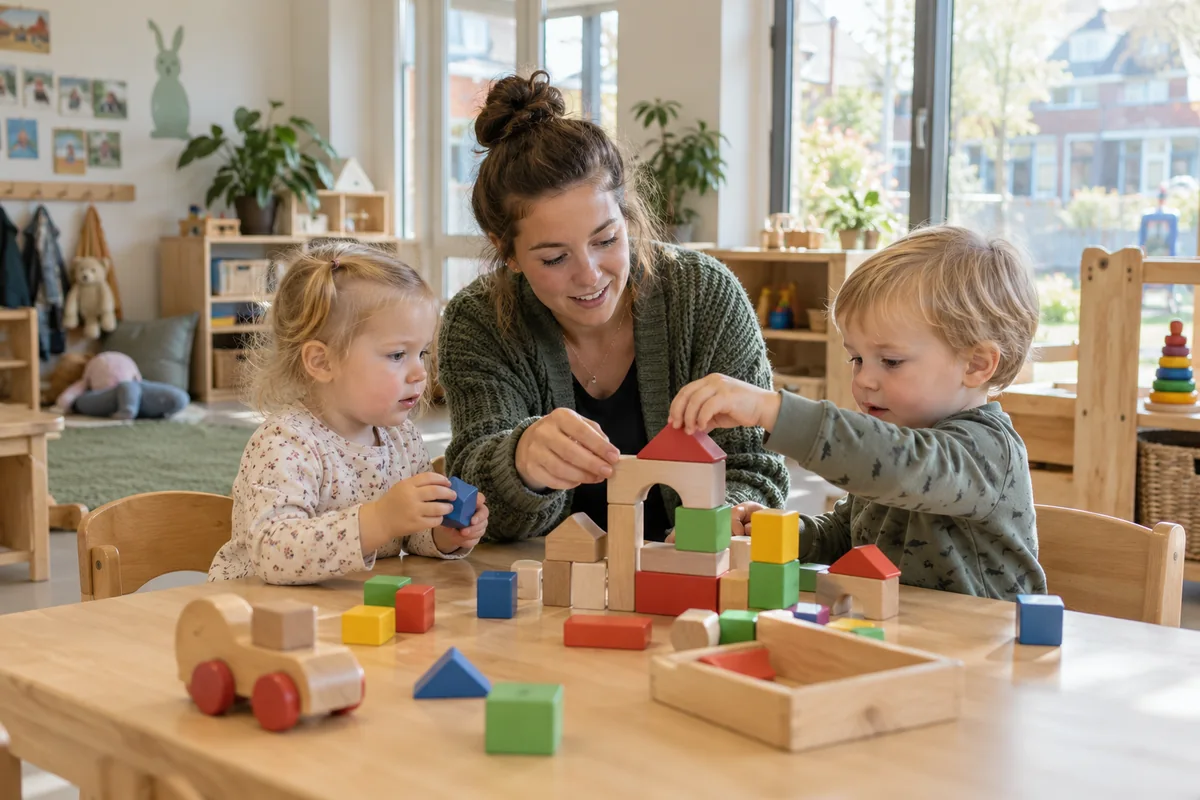
Daycare centre
Childcare and preschool
A kinderdagverblijf provides care for children before primary-school age. Peuteropvang is for toddlers; voorschoolse educatie (vve) provides extra developmental and language support for eligible children. Ask the municipality, child-health clinic or provider how to apply.
School-age children can use buitenschoolse opvang (bso) before or after school and during holidays. Providers must meet quality rules. Childcare costs money. Childcare allowance has conditions, including the type of registered care and the parents’ situation; it is not based on low income alone. Preschool support can have separate local funding.
The original audio also mentions kleuterschool. In today’s system, children of that age usually attend groups 1 and 2 of primary school.
Compulsory education
Children aged 5 to 16 fall under leerplicht. Young people aged 16 or 17 without a startkwalificatie normally have a qualification duty (kwalificatieplicht). A start qualification is havo, vwo or at least mbo level 2; exceptions apply to some routes. This is not a general rule of attending just two days a week.
Follow the school holiday calendar. Report illness using the school’s procedure and ask permission in advance for other absence. Unauthorised absence can lead to action by the municipal attendance officer. A fine is not an automatic response to every absence.
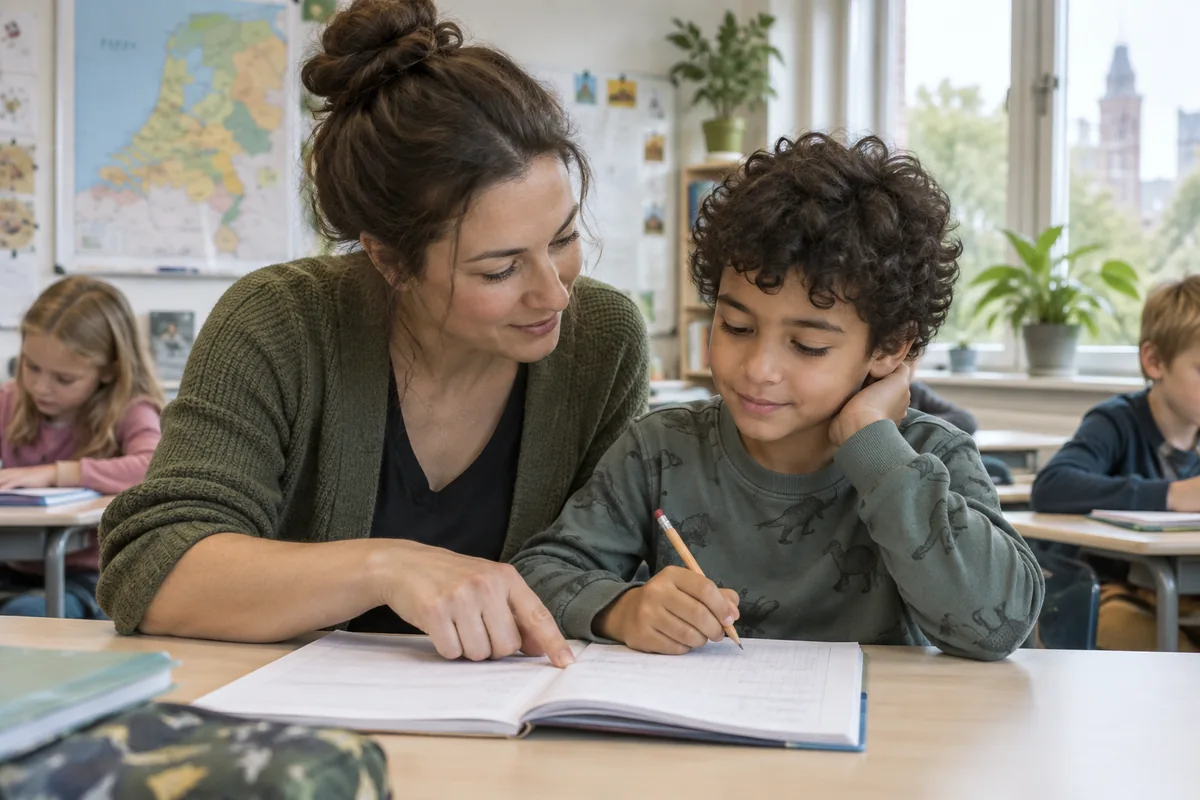
What are the most important subjects in primary school
In primary school, we learn many things. These are the main subjects:
Language: We learn to read, write, and listen.
Math: We learn basic numbers and how to think.
Science: We learn about nature and how things are.
Social studies: We learn about the past, places, and rules.
We also learn:
Arts: We learn music, drawing, and acting.
Physical education: We learn to move and be healthy.
Personal and social: We learn about feelings, friends, and how to be a good person.
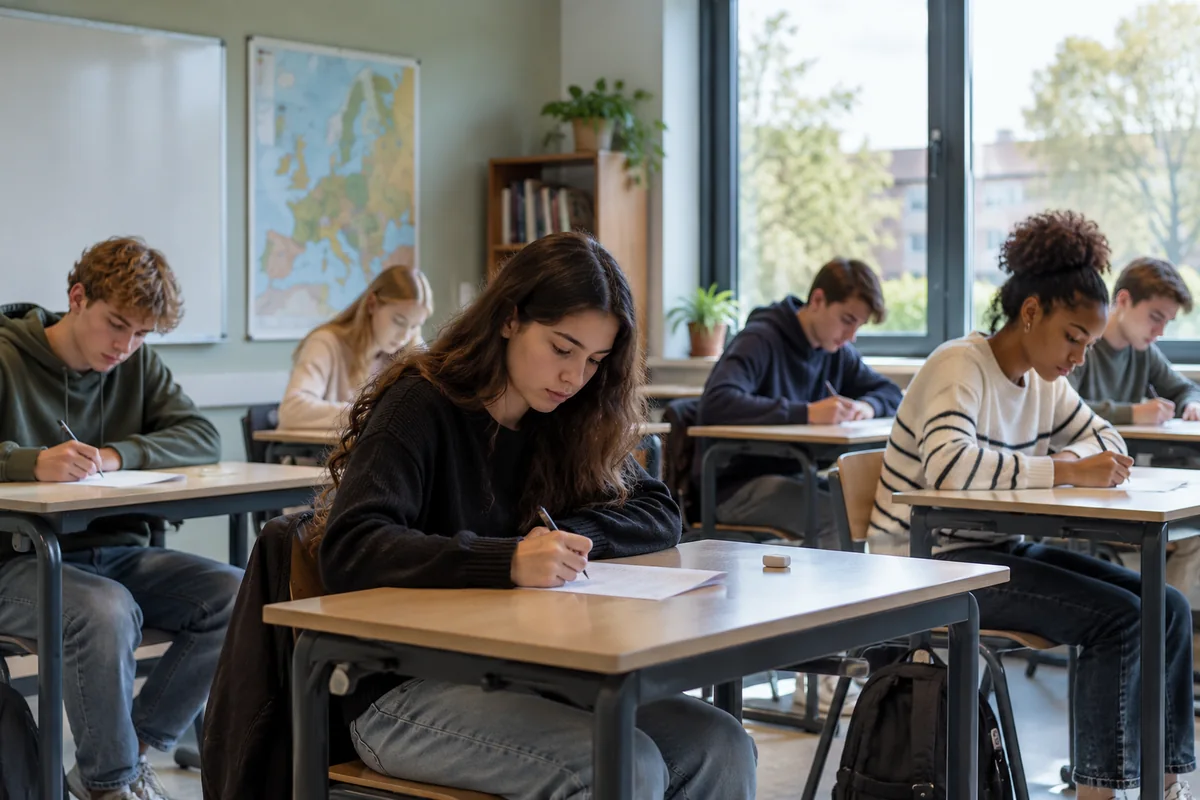
Progress and school advice
Teachers follow progress through lessons, observations, schoolwork, tests and reports. Ask what results mean and how to help your child at home.
In group 8, pupils normally take the doorstroomtoets. The school’s advice and the test result inform the final secondary-school advice. If the test recommends a higher level, the school normally raises its advice; a justified exception must be explained. The former end-of-primary test terminology in old materials may differ.
Freedom
Choosing a school and getting support
Freedom of education allows public schools and schools with a religious, philosophical or educational basis. Funded schools must meet legal standards. They cannot simply choose to ignore required subjects. Places, admission procedures and support needs can affect admission.
Visit schools, read their school guides and register in time. Tell the school if your child needs extra support. The school has a duty to help find a suitable place under the applicable rules. Ask about special primary or secondary education when needed.
Primary and secondary schools teach about sexuality and sexual diversity as part of the required curriculum. Parents can ask what children learn and discuss questions with the teacher.
School costs and financial support
Finance

Money
School costs
Government-funded primary and secondary education has no tuition fee. Schools provide required learning materials under the applicable rules; families may need personal supplies, sports clothing or other items. Ask the school for a clear list.
A voluntary parental contribution for extra school activities is voluntary. Children may not be excluded from those activities because parents do not pay. Ask for help if other costs are difficult.
Mbo and higher education have different fee rules depending on age, course and personal circumstances. Statutory or institutional tuition fees may apply in higher education. Nationality alone does not determine the amount: check with the institution and DUO.
Moving to the next school
Use the final school advice and the secondary school’s admissions information. Some schools offer mixed bridging classes and others group pupils by route. There is no universal two-year common programme.
Atheneum and gymnasium are both vwo routes. Gymnasium includes classical languages. Both prepare for research university admission, subject to the programme’s requirements.
Common learning routes
Childcare and preschool → basisschool → secondary education
- vmbo (4 years) → mbo → work or further study
- havo (5 years) → hbo
- vwo (6 years) → wo
Routes can connect. Admission requirements apply. Practical and special education offer other routes and support.
Money

Financial aid
Where to ask for financial help
DUO handles student finance (studiefinanciering) and certain school allowances. Eligibility depends on the programme, age and nationality or residence situation. Some support is a grant under conditions; a loan must be repaid, usually with interest. Check obligations before borrowing.
Ask an mbo institution about its student fund if you need help with study costs. Municipal studietoeslag is a different scheme for eligible students who cannot earn alongside their studies because of a medical limitation. It is not the general student grant.
Dienst Toeslagen handles eligible child-related budget, childcare, healthcare and rent allowances. The SVB handles child benefit (kinderbijslag). These are separate schemes with different conditions. Local funds may help with school, sport or culture costs. The school or municipality can help you find the right organisation.
Parenting and support
Raising kids
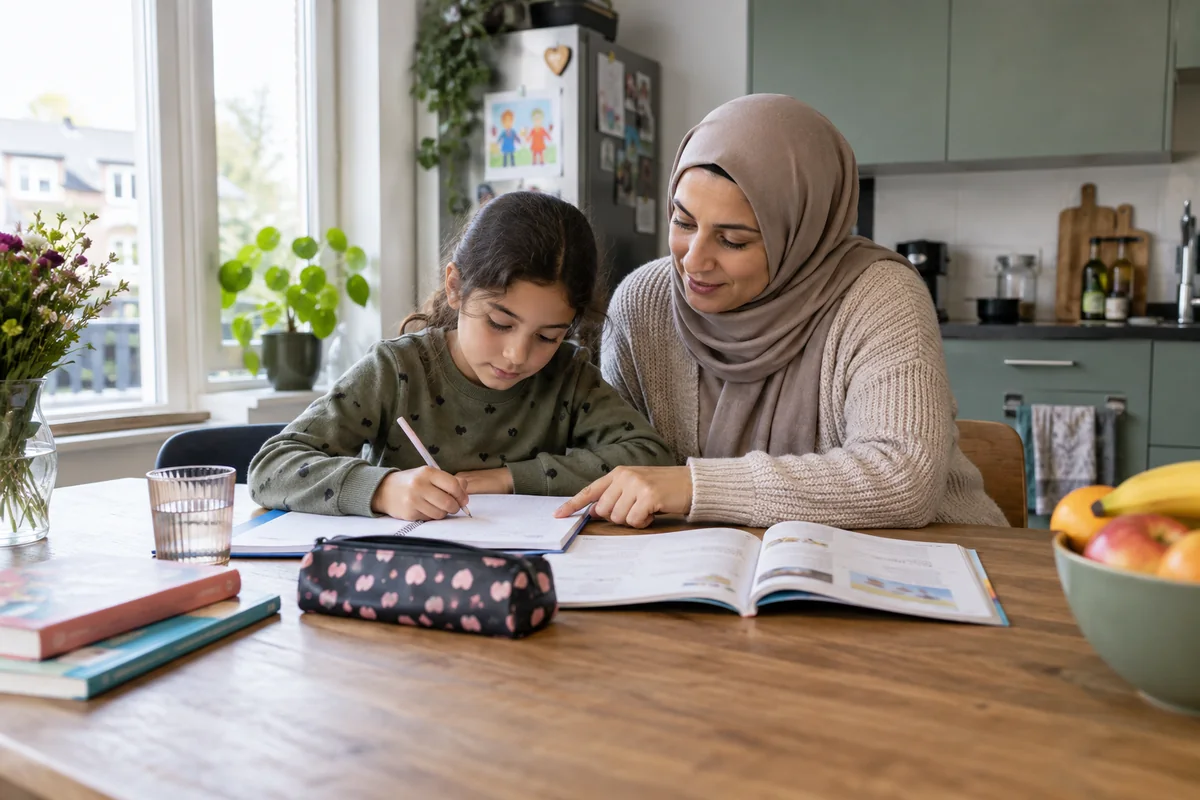
Mother and daughter
Raising children
Children need safety, care and room to develop. Set clear, age-appropriate boundaries and listen to their views. Encourage friendships, play, reading and participation in sport or other activities. Families may have different traditions.
Discuss online safety, screen use, bullying, alcohol, drugs and gambling in an age-appropriate way. Talk openly about relationships, consent and bodily boundaries. Parents can share care and household tasks; responsibilities are not fixed by gender.
Parents are responsible for care and upbringing. They may also be legally liable for damage caused by younger children, with rules depending on age and circumstances. Ask for legal advice if there is a dispute. Physical punishment and humiliating or abusive treatment are not acceptable ways to raise children.
Help for families
You can ask the school, GP, child-health clinic, municipality or youth team for parenting support. Jeugdhulp can help with developmental, emotional, behavioural or family problems. Asking for support does not automatically mean a child will be removed from home.
Child protection (jeugdbescherming) concerns serious risks to a child’s safety or development. Compulsory protective measures involve legal safeguards and a judge. Youth probation (jeugdreclassering) supports and supervises young people involved in criminal proceedings.
For worries about domestic violence or child abuse, contact Veilig Thuis on 0800-2000. In immediate danger, call 112.
In case of problems…
Working with the school
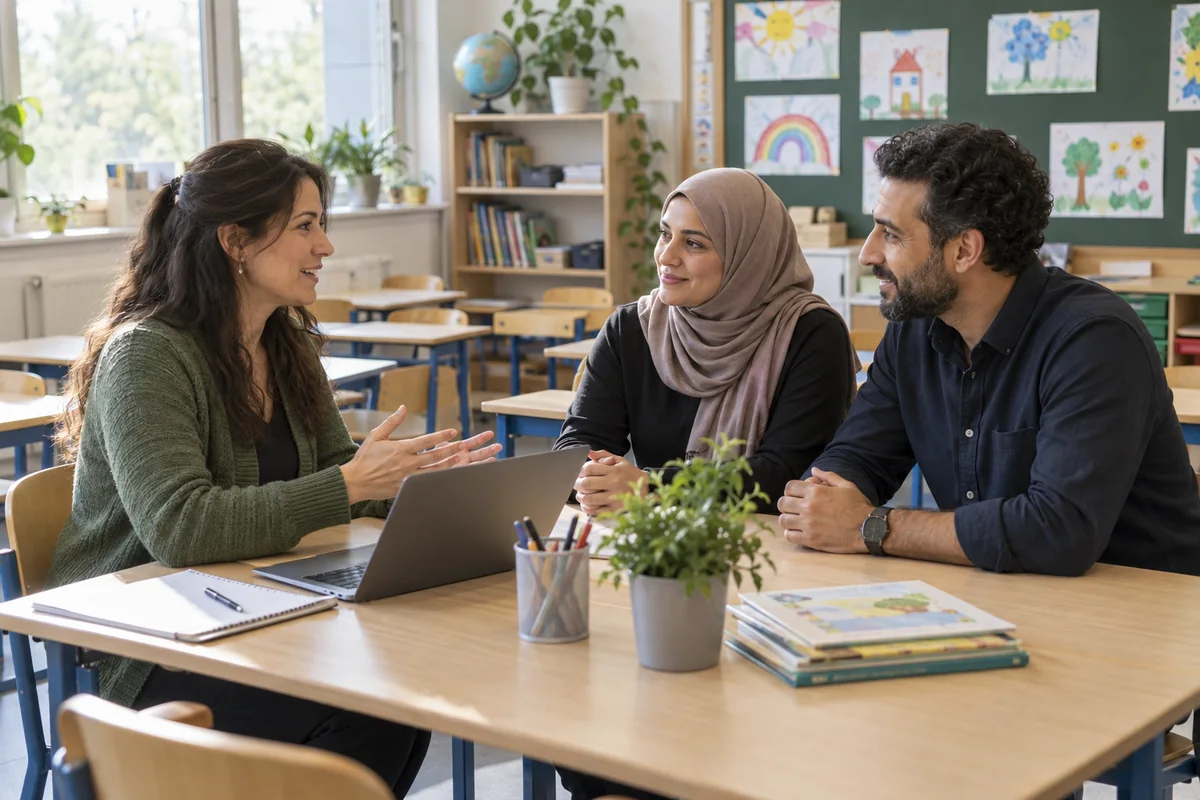
Attend parent-teacher meetings, ask about attendance and progress and report bullying or other concerns. Parents may volunteer for activities or participate in a school council. Keep contact details up to date and ask for language support when you need it.
Practice test
Sources and current information
Updated October 2026. Check current conditions with the relevant organisation.
You have reached the end of this chapter. Next: Work and income.
Choose another category