
Your municipality
SERVICES
The town hall
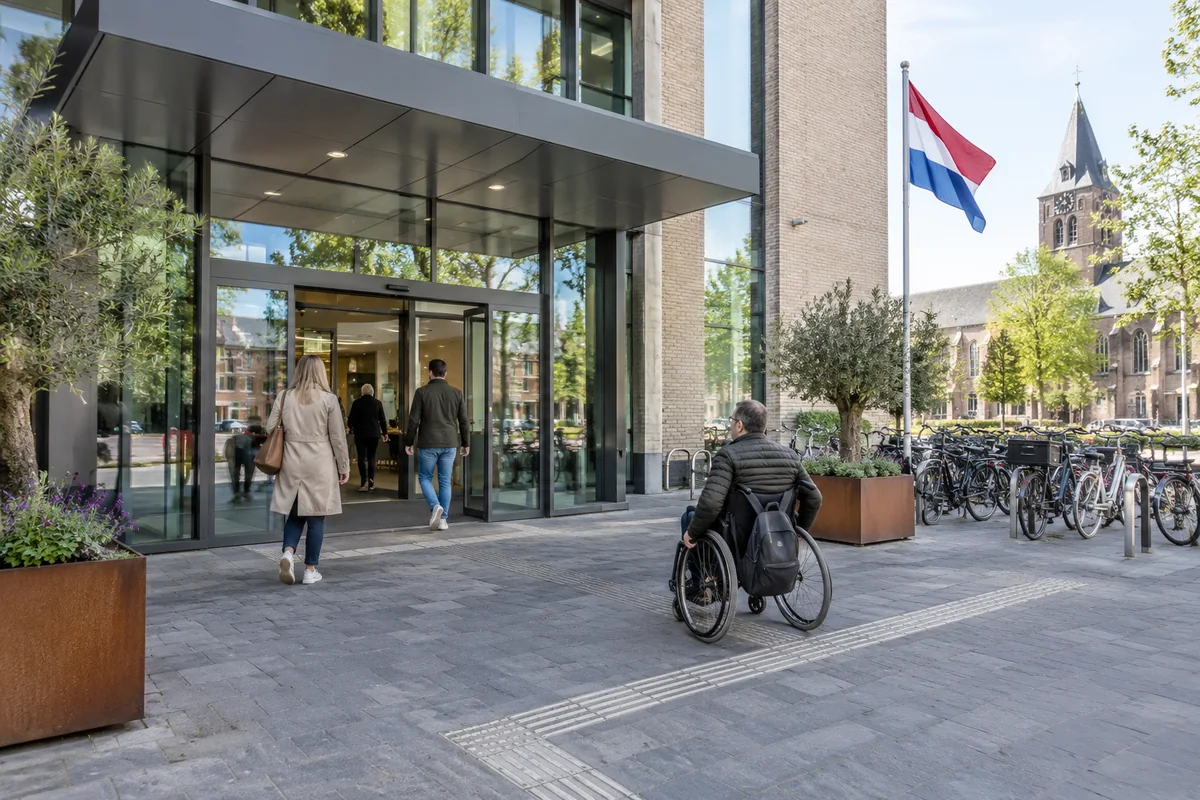
Your municipality
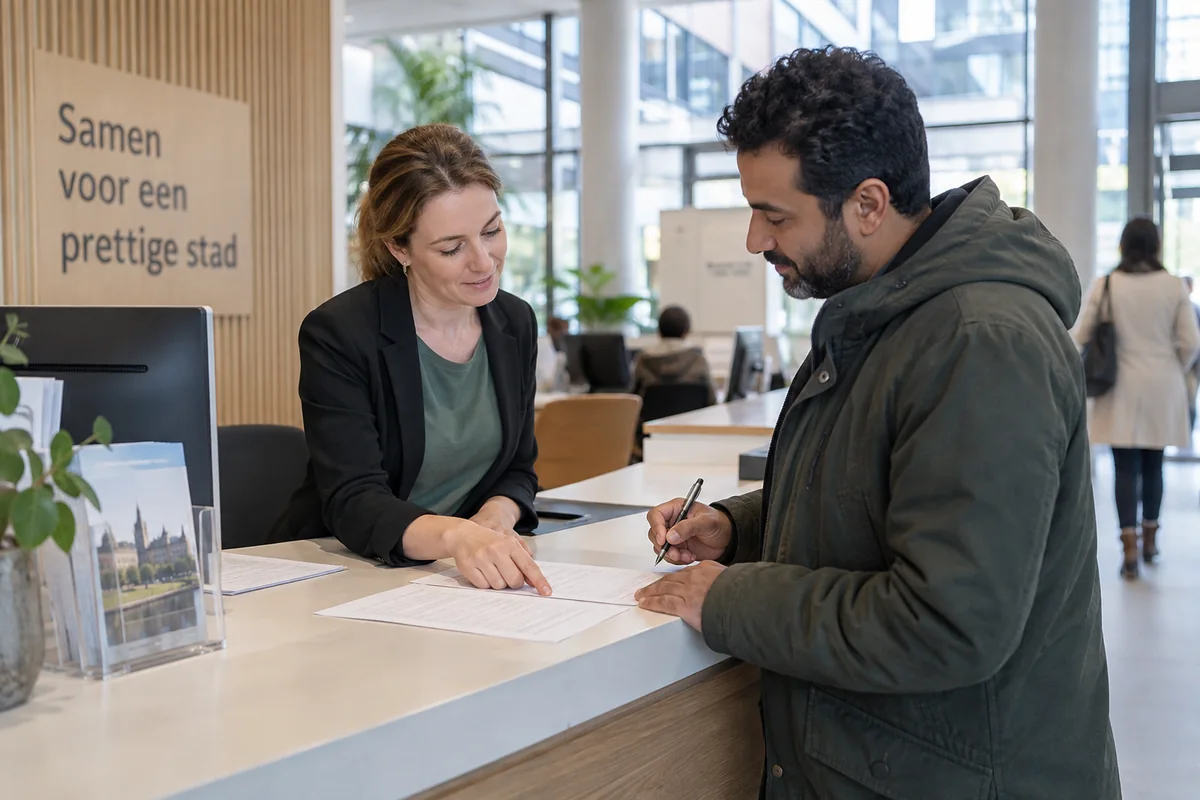
A municipality (gemeente) is a local government area. It can include several towns and villages. Its public service office is called gemeentehuis or stadhuis. Many services are also available online.
The municipality records residents’ details, issues certain official documents and provides local services. Check its website to find the right office, required documents and appointment procedure.
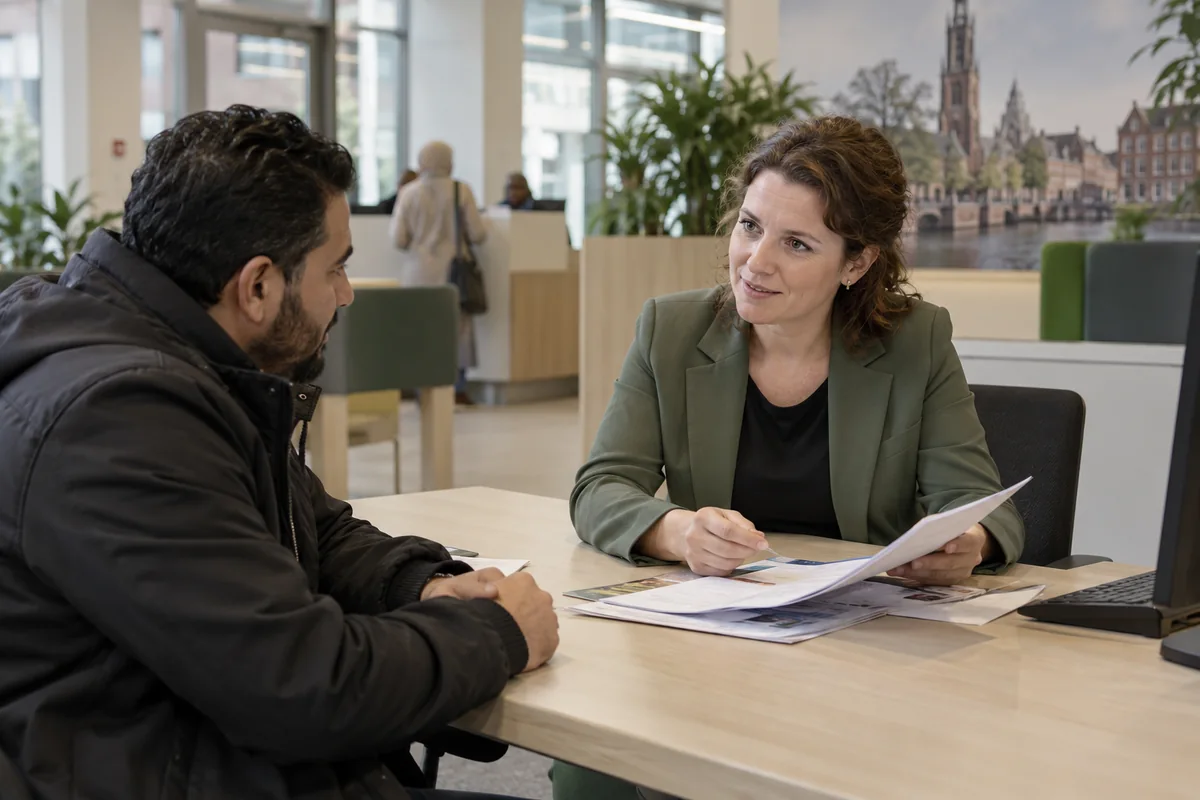
Documents and registration
Municipal services include registering births and deaths, marriage arrangements, updating the Basisregistratie Personen (BRP) and applying for eligible identity documents or driving licences. Dutch passports are for Dutch citizens; other travel documents have their own conditions. Residence permits are handled by the IND.
You may need an extract from the BRP or a certificate of conduct (Verklaring Omtrent het Gedrag (VOG)). Justis assesses a VOG application; the application route depends on the situation. Check the municipality or Justis website.
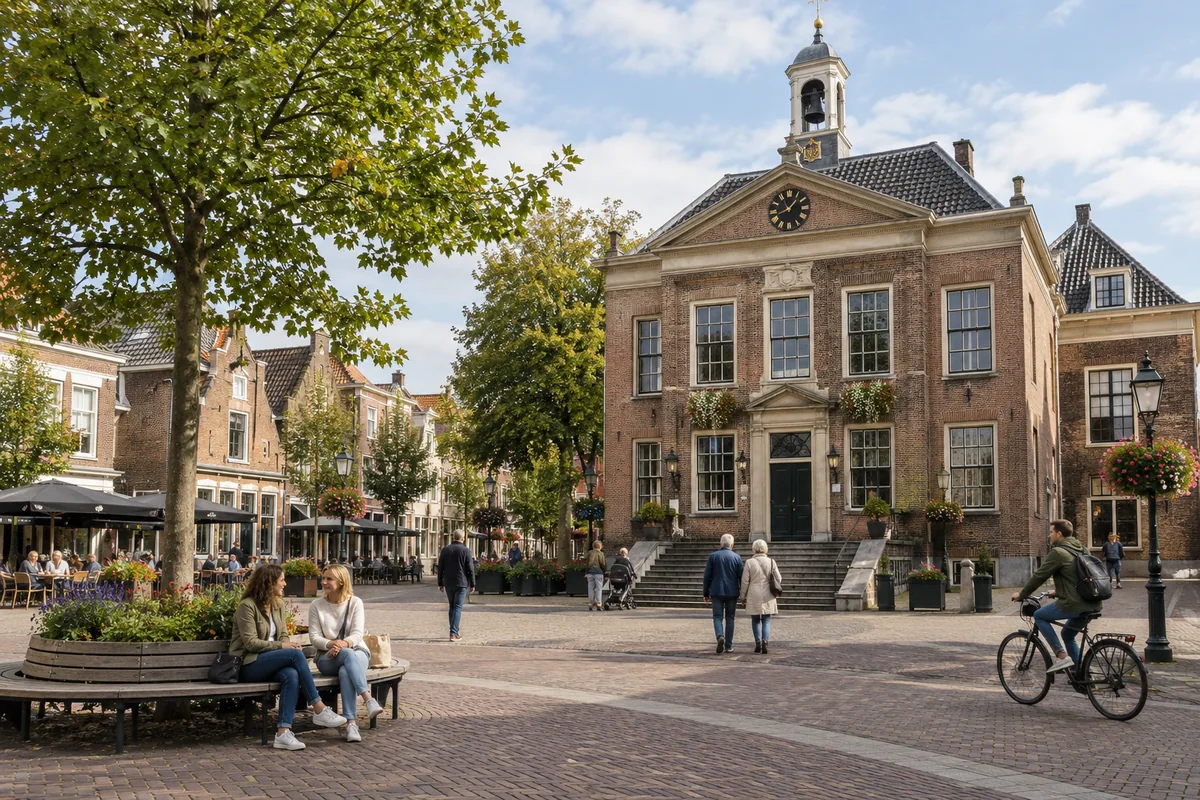
A town hall is one of the places where you can ask about local services. Check your municipality’s website for the correct office, opening hours and contact details.
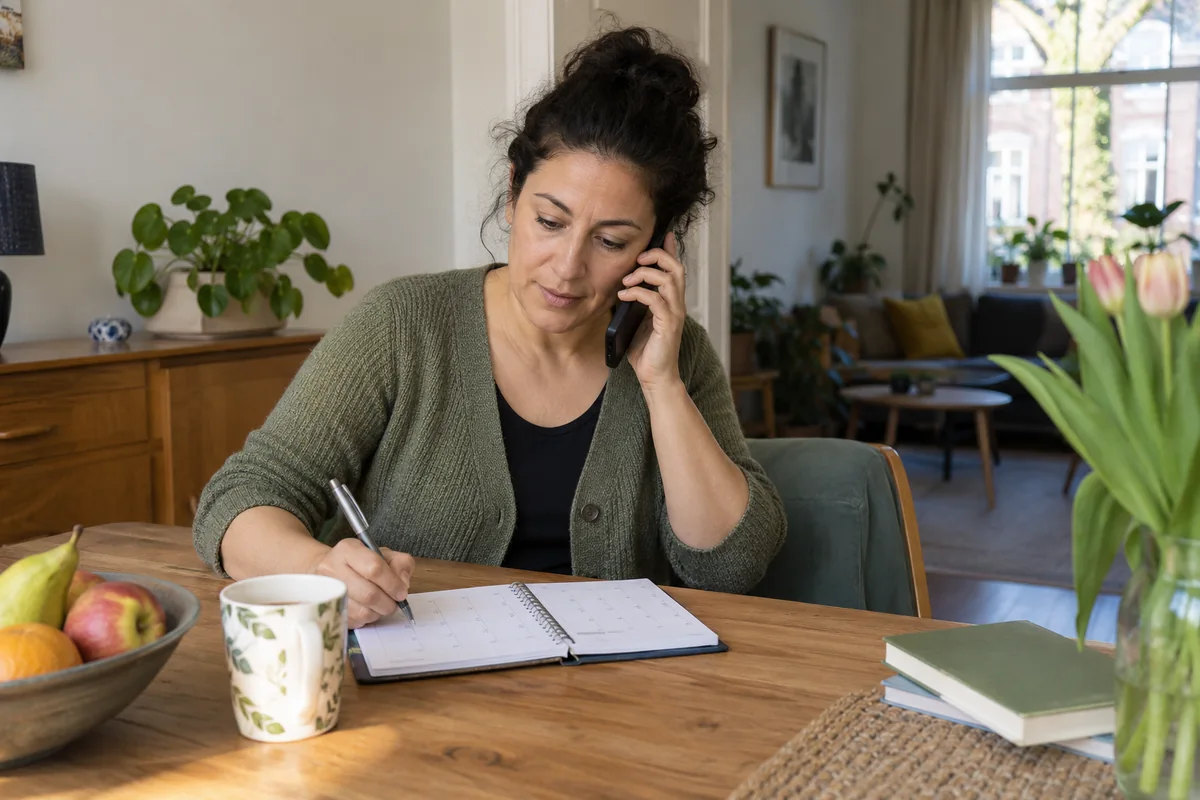
Making an appointment
Afspraak means appointment. Check the municipality’s website to see whether you must book online or by telephone. Read which documents to bring and whether a fee applies. Ask someone to help with language if needed; keep control of your personal login details.
Language lessons
Different reasons for coming to the Netherlands
An asylum seeker asks for protection. The IND decides on asylum applications; COA arranges reception for eligible asylum seekers. Someone granted an asylum residence permit is often called a statushouder. Reception, residence and municipal registration are different procedures.
EU, EEA and Swiss citizens generally do not need a Dutch residence permit, but conditions apply to longer stays and municipal registration. People covered by temporary protection for Ukraine have specific rules. Check current IND information for your situation.
Integration requirements depend on your circumstances. Your municipality and DUO can explain what applies to you. KNM means Kennis van de Nederlandse Maatschappij. Naturalisation is a separate procedure, with conditions and exceptions; it is not automatic after living here.
Reliable information online
Use IND for residence and naturalisation, COA for asylum reception, DUO for integration and RefugeeHelp for practical information. Language options differ by website. These links need internet.
For work, contact the municipality or UWV as appropriate. Check the conditions on your residence document before assuming you are allowed to work.
Support for permit holders
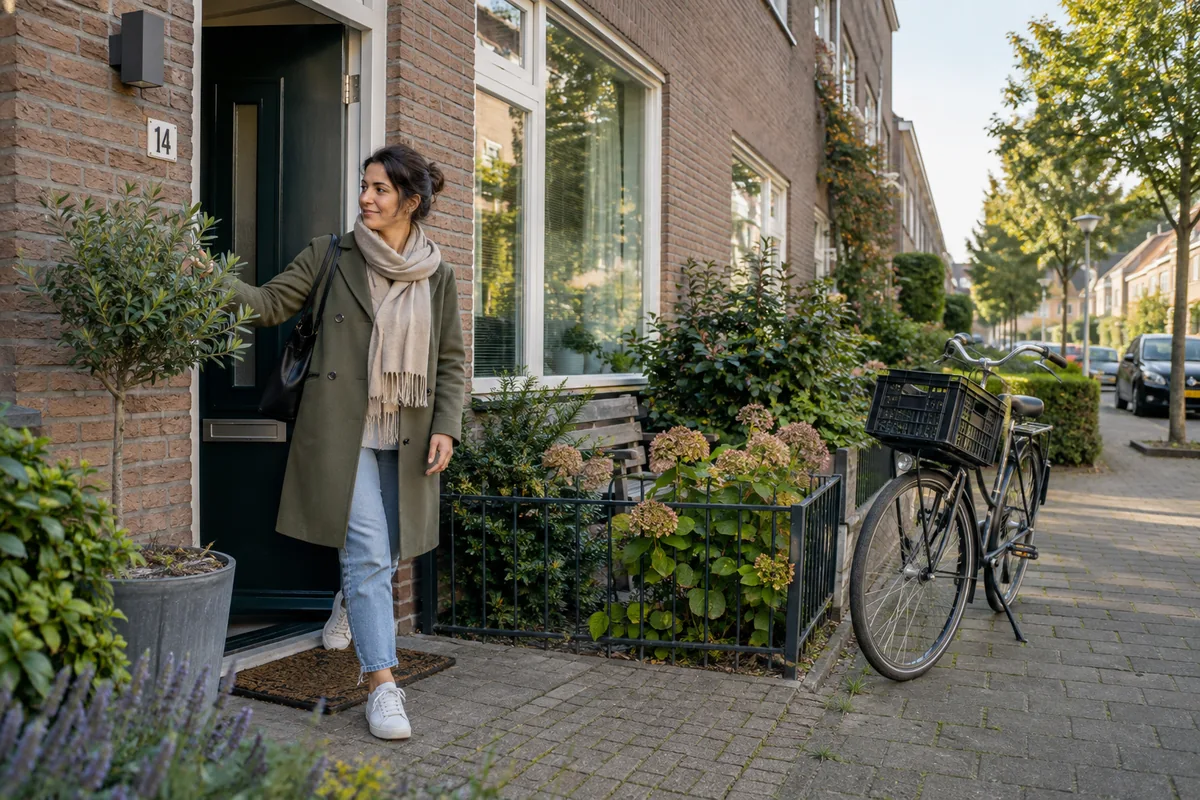
The municipality has duties in housing asylum permit holders and may guide integration under the applicable system. This does not mean a home is immediately available or that every service is free. Ask your municipal contact person what arrangements apply.
Support may concern language learning, education, finding work, debts, safety at home and access to care. The municipality can refer you to the right organisation.
Language lessons
Building an independent life
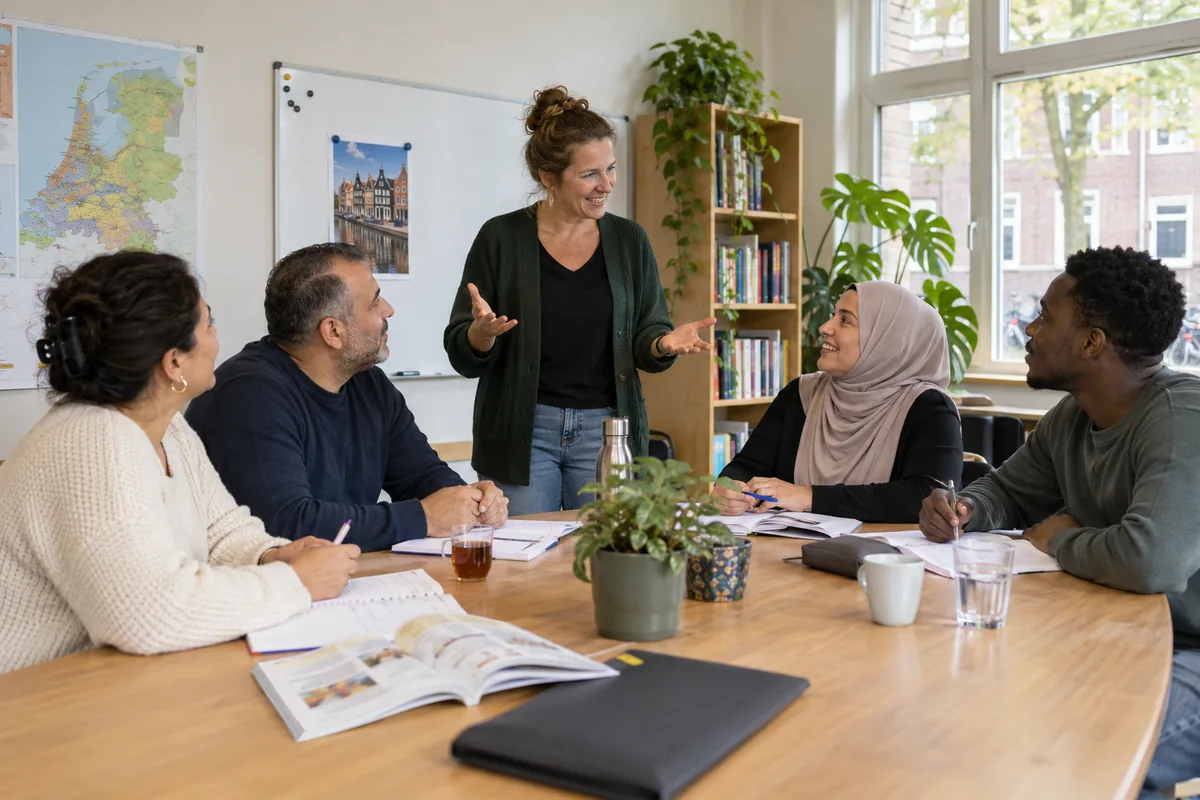
Ask your municipal contact about your integration plan, language courses, work or study and local support. Services and eligibility differ. Keep letters and appointments, ask for explanations and tell the relevant organisation when your circumstances change.
Keep your details up to date
Tell the municipality about relevant changes: moving, birth, marriage, divorce, death, immigration or emigration. Ask how recognition of a child is registered. Some events are passed on by professionals, but check that your record is correct. When moving within the Netherlands, report your new address to the new municipality no later than five days after moving. Household changes can affect benefits; check which other organisations you must inform.
Digital contact
Use official websites to find information, book appointments and check messages. DigiD is your personal login for many government services. Never share its password, PIN or approval codes. Check your post and digital government messages regularly. A library Information Point for Digital Government can help you use services; use official authorisation arrangements when someone acts for you.
Residence, police, money and legal help
Permit
 IND
Residence permits
A residence permit is a verblijfsvergunning. The IND deals with applications. Permits can relate to work, study, family, asylum or other grounds, and may be temporary or permanent. A visa for entry is not the same as a residence permit.
 RefugeeHelp
Conditions and rights
The conditions depend on your nationality, purpose of residence and circumstances. A permit does not automatically give an unrestricted right to work. Read the work endorsement and check IND information before starting a job. Apply for an extension in time and report relevant changes.
A permanent residence permit is not Dutch citizenship and does not by itself entitle you to a Dutch passport. An asylum permit is granted following a positive decision; it is not simply permission while an application is waiting. Use IND information for current conditions.

European flag
EU citizens and becoming Dutch
EU, EEA and Swiss citizens generally do not need a Dutch residence or work permit. Conditions apply to staying longer; different rules may apply to family members who have another nationality.
Other residence routes include family residence, highly skilled work and humanitarian grounds. Do not assume that the same requirements apply to all routes.
If you live in the Netherlands, you normally apply for naturalisation through your municipality. The IND assesses the conditions. You generally must give up your previous nationality, but exceptions exist. Ask the municipality and IND before applying; there are also separate rules for becoming Dutch by option.
Police
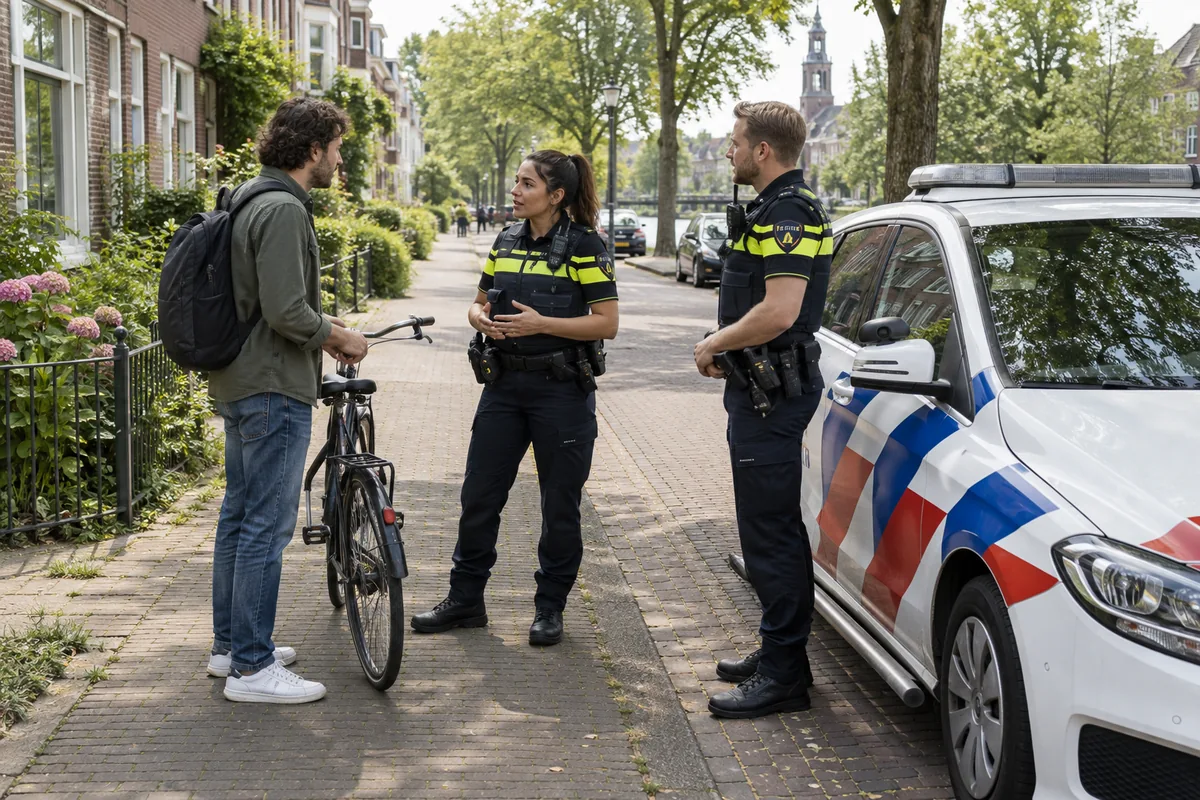
What the police do
The police protect people, maintain public order, investigate crimes and enforce the law. Some officers wear uniforms and others work in plain clothes. A suspect is not automatically guilty: courts decide criminal cases. Follow lawful police instructions and ask for an explanation when something is unclear.
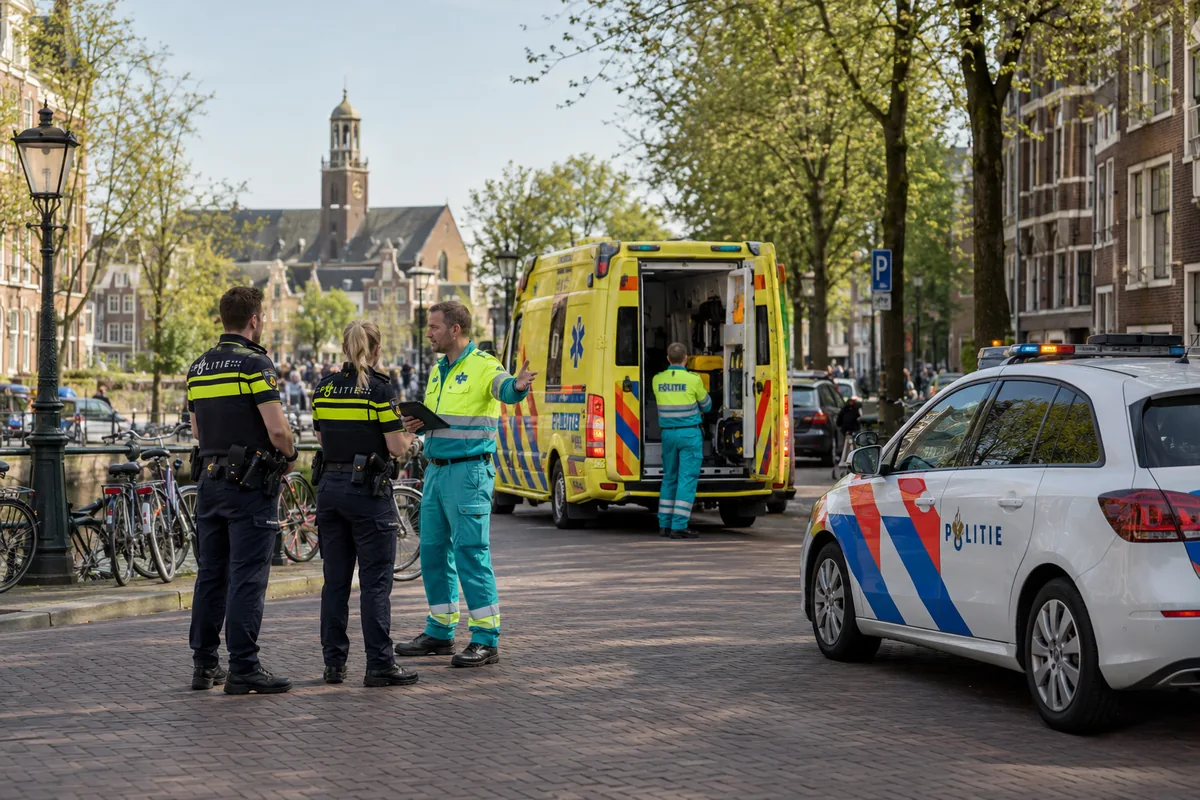
When to contact the police
You can ask for help with accidents, threats, violence, theft, fraud, discrimination or serious nuisance. Reporting a crime is called aangifte doen. For certain serious crimes there is a legal duty to report, subject to legal exceptions. Ask the police how to report safely.
For immediate danger or an urgent crime in progress, call 112. For police help without an emergency, call 0900-8844. Lost property can often be reported to the municipality; theft should be reported to the police.
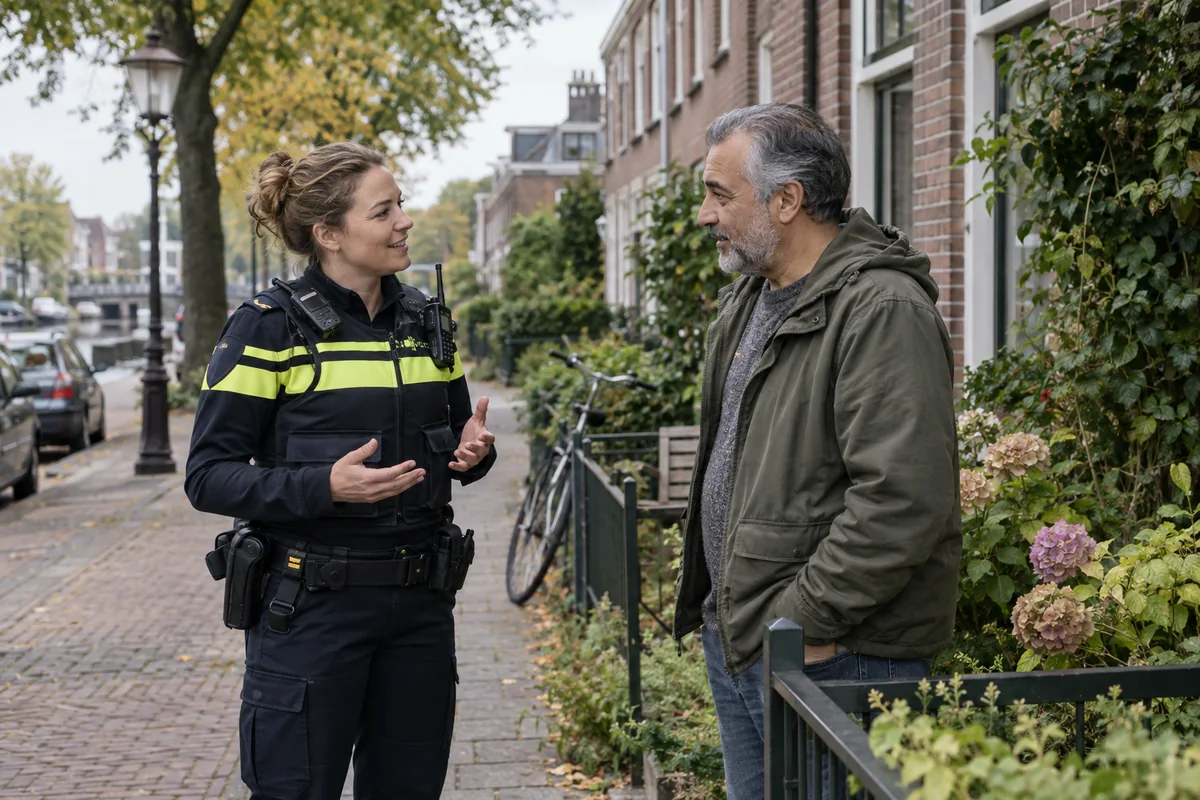
Identification and police contact
The Dutch word for police is politie. From age 14, you must be able to show a valid identity document when an authorised officer lawfully asks. In public transport, identification rules apply from age 12. A driving licence is not accepted for every administrative purpose.
Stay calm, explain what happened and ask for language help if needed. You can complain about police conduct; that is different from reporting a crime.
Tax
 Belastingdienst
Taxes and allowances
The Belastingdienst handles national taxes. Your citizen service number (BSN) identifies you in authorised public administration. Use it carefully and do not publish it or give it to anyone who has no legitimate need.
Taxes help pay for services such as schools, healthcare, roads, police and courts. Income tax depends on your situation. VAT is included in many purchases; different rates and exemptions apply, so it is not 21% on everything. The municipality collects local taxes such as waste, sewerage, property and parking taxes where applicable.
If you receive a request to file an income-tax return, respond by its deadline. Filing can lead to a payment or refund. Check the information and ask the tax authority or a recognised help service for assistance. Keep payslips and annual income statements; retain your jaaropgave for at least five years. Gross income is before deductions; net income is what remains.
Dienst Toeslagen handles healthcare, rent and childcare allowances and the child-related budget, subject to conditions. Apply if eligible and promptly report relevant changes in income or household situation to avoid incorrect payments. Child benefit (kinderbijslag) is a separate SVB scheme; it is not automatically paid to every parent in every situation.
Bank - Money
Using a bank account
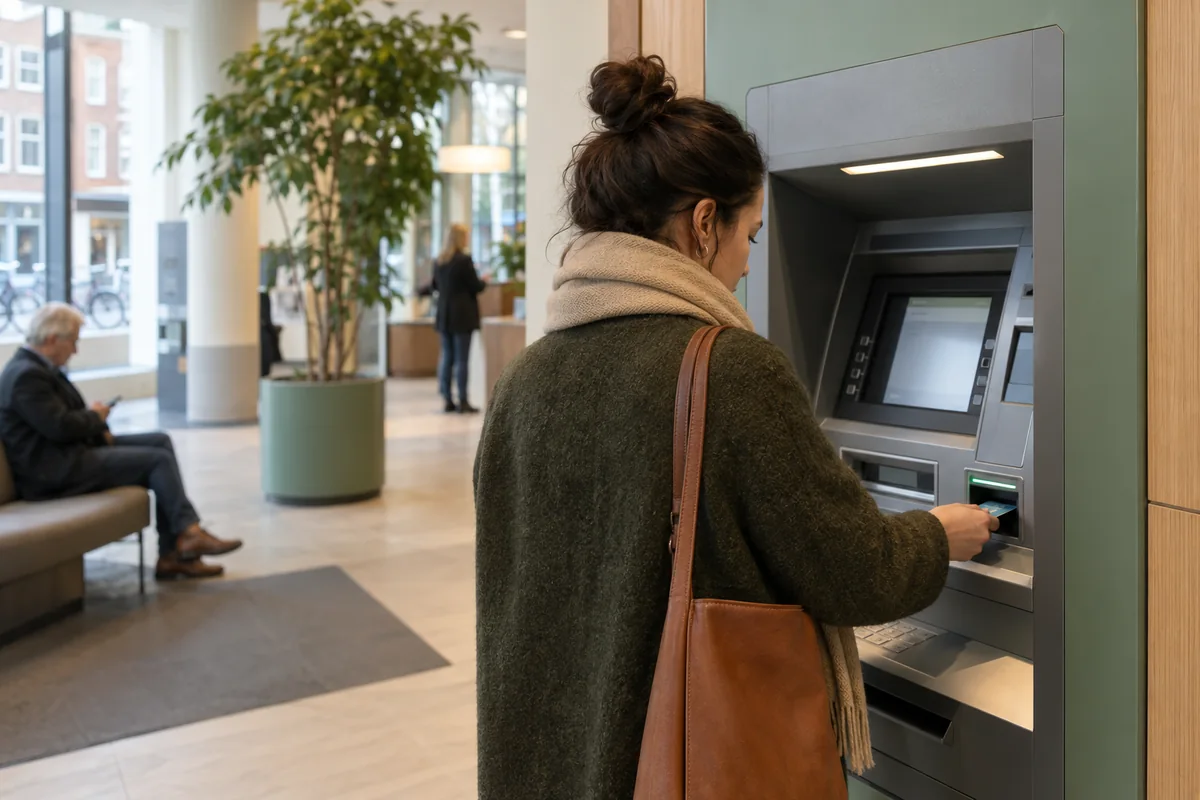
A bank account has an IBAN. You can pay with a debit card, contactless payment, a transfer or an authorised direct debit. Contactless payments sometimes still require a PIN. An overdraft is borrowed money and may cost interest. Keep track of your balance and bills.
A direct debit needs your authorisation. Check payments and ask your bank about cancelling a mandate or refunding an incorrect debit. Cancelling a payment does not cancel a valid bill or contract.
If your card is lost or stolen, block the card immediately through your bank. Report theft or fraud to the police as appropriate. Never share your PIN, banking password or approval codes. Do not transfer money to a “safe account” on the instructions of an unexpected caller; contact the bank using a number you find yourself.
Legal help
Legal advice and complaints
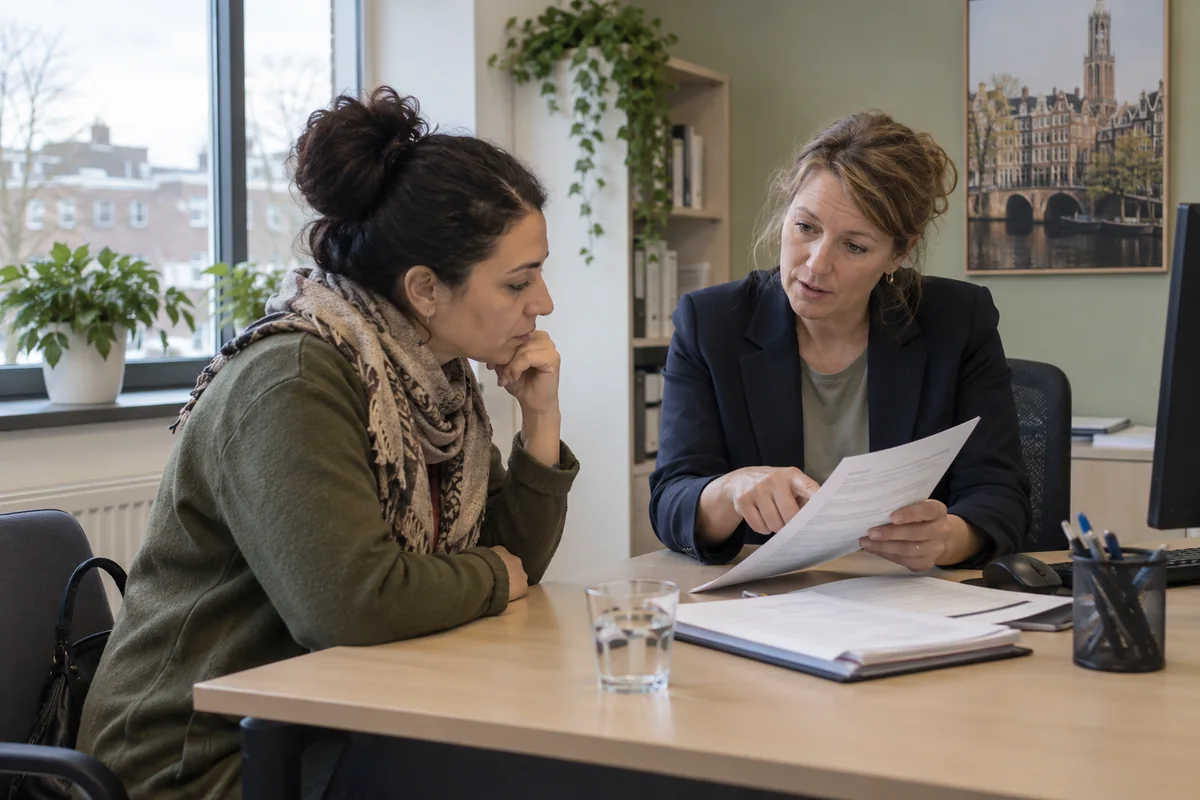
Juridische hulp means legal help. Legal problems may involve residence, employment, housing, divorce, purchases, government decisions or criminal proceedings. Ask for advice early: deadlines can be short.
The Juridisch Loket provides information, and personal advice for people meeting its income and asset conditions. Local social counsellors (sociaal raadslieden) may help with forms and letters. A lawyer can advise or represent you; subsidised legal aid has conditions and may still require a personal contribution. Ask about costs before agreeing.
A complaint (klacht) concerns how you were treated. First complain to the organisation. An ombudsman may be able to help afterwards. An objection (bezwaar) challenges a decision: follow the instructions and deadline in the decision letter. A complaint does not replace an objection or stop its deadline.
Other places to get help
Nibud provides budgeting information. The municipality can explain debt assistance and social work. A food bank may provide support subject to its conditions. The GGD provides public-health information and services; youth-care organisations can help families. Ask the municipal service desk or neighbourhood team where to start.
Insurance and contracts
Insurance protects against some financial risks, but exclusions and conditions matter. Health insurance is generally compulsory for people covered by the Dutch system. Motor-vehicle third-party insurance is compulsory for vehicles subject to that requirement. Personal liability insurance and home-contents insurance are normally voluntary. Check what is covered and what you must pay yourself. See the Housing and Health chapters for more.
Words and expressions
Learn words and expressions
Het gemeentehuis
- Gemeentehuis
- Een stadhuis is gelijk aan een gemeentehuis
- Waar vind ik het gemeentehuis?
- Ik ga verhuizen
- Aangeven van een geboorte
- Aangeven van een huwelijk
- Opgeven dat iemand is overleden
- Een rijbewijs aanvragen
1. town hall
2. two ways of expressing town hall
3. where can I find the town hall?
4. I am moving (to another place to live)
5. registering a birth
6. registering a marriage
7. reporting that someone has died
8. apply for a driver’s licence
Aan de balie
- Mijn naam is Achmed Mustafa
- Mijn adres is Beekstraat 10
- Mijn telefoonnummer is 0612345
- Ik wil een geboorte aangeven
- Ik wil mijn rijbewijs verlengen
- Ik wil een bewijs van goed gedrag
1. my name is Achmed Mustafa
2. my address is Beekstraat 10:
3. my telephone number is 0612345
4. I want to register a birth
5. I want to renew my driver’s licence
6. I want a certificate for good behavior
De politie
- er is een ongeluk gebeurd
- bel de politie
- bel 112
- kunt u mij helpen?
- mijn tas is gestolen
- waar is het politiebureau?
1. an accident happened
2. call the police
3. call 112
4. can you help me?
5. my bag is stolen
6. where is the police station?
Practice test
You have reached the end of this chapter. Next: Education and parenting.
Choose another category